
+1-888-741-7503
NO FEES UNTIL WE WIN
FREE CONSULTATION
NO FEES UNTIL WE WIN
FREE CONSULTATION
When you place your life savings in the hands of a financial adviser, you are placing a profound amount of trust in their integrity. This is especially true when the adviser has a long, established career with a well-known firm. The case of John S. Winslow serves as a sobering reminder that even decades of experience are no guarantee of ethical behavior. The recent news that the Edward Jones Former Broker John Winslow Barred By SEC for allegedly defrauding a retired client out of more than half a million dollars is a story every investor should know. It highlights a devastating betrayal of trust and underscores the importance of staying vigilant, asking questions, and understanding your rights.
When you entrust your financial future to an adviser, you expect them to act with integrity. The case of John Winslow serves as a critical reminder that even brokers with long careers can betray that trust. Understanding his story can help you recognize warning signs and protect your own investments from similar misconduct.
John Winslow spent more than two decades in the securities industry, building a career that spanned over 23 years. Throughout this time, he held a variety of positions, which likely helped him build a reputation as a knowledgeable and seasoned professional. For many investors, a long track record like this can create a sense of security and trust. However, it’s important to remember that experience alone is not a guarantee of ethical behavior. Even advisers with decades in the business can engage in broker fraud and negligence, leaving clients with devastating financial losses. His long history in finance made the eventual allegations against him even more shocking.
Most recently, John Winslow worked as a financial adviser for Edward Jones in Gig Harbor, Washington. It was during his time with this well-known firm that serious allegations of misconduct came to light, ultimately ending his career. These accusations were so severe that they led to his permanent removal from the industry. Washington State regulators barred him first, and the federal Securities and Exchange Commission (SEC) followed with its own permanent ban. This case highlights the serious investment issues that can arise when an adviser prioritizes their own interests over their clients’. The actions taken by regulators underscore the gravity of his actions and the harm caused to investors.
The Securities and Exchange Commission (SEC) permanently barred John Winslow from the industry for a straightforward reason: he allegedly defrauded a client. The SEC’s decision wasn’t based on a simple mistake or a minor rule violation. Instead, it was a response to a calculated scheme that involved manipulating a vulnerable investor and misappropriating hundreds of thousands of dollars for personal use. This case serves as a stark reminder of what can happen when a financial professional abandons their ethical and legal duties.
Winslow’s actions combined several of the most serious forms of misconduct a broker can commit. He allegedly targeted a retired client, exploited their trust, and used deceptive promises to gain control of their money. Once he had the funds, he didn’t invest them as promised. Instead, he treated the client’s life savings as his personal bank account. This pattern of behavior represents a complete betrayal of the trust that is fundamental to the client-adviser relationship. Understanding the specifics of his scheme can help you recognize the warning signs of broker fraud and negligence and protect your own investments from similar threats.
The foundation of the SEC’s case against Winslow was his alleged targeting of a vulnerable individual. According to reports, he convinced a retired senior citizen to hand over more than $550,000. This wasn’t a sophisticated investment strategy gone wrong; it was a direct and predatory act. Targeting seniors is a particularly troubling form of financial misconduct because these investors are often relying on their life savings for retirement and may be more susceptible to trusting a long-time adviser. By exploiting this relationship, Winslow not only caused immense financial harm but also violated the core principles of his profession. This situation highlights the devastating impact of financial elder abuse and the importance of holding bad actors accountable.
To persuade his client to move her money, Winslow allegedly used a classic tactic: promising impossibly high returns. He reportedly convinced the investor to transfer funds from her Edward Jones accounts to her personal bank account, and then directly to him, by claiming he could generate better returns than her existing investments. This is a major red flag. Legitimate financial professionals cannot guarantee high returns, as all investments carry some level of risk. By making these false promises, Winslow created a sense of urgency and exclusivity, making the client feel she was getting a special opportunity. These types of claims are common in many investment issues and are designed to bypass an investor’s better judgment.
Once Winslow had control of the client’s money, he allegedly used it for his own benefit. Reports state that he told the client he needed money for a house and would pay her back, but he never did. Instead of investing the funds, he reportedly used a significant portion—around $370,000—to purchase gold coins and had them shipped to his personal P.O. box. This is a clear-cut case of conversion, which is the unauthorized use of another person’s funds. When an investor’s money is misused like this, their primary path to recovering losses is often through legal action or securities arbitration, which holds both the broker and their supervising firm accountable.
When a broker engages in serious misconduct, the U.S. Securities and Exchange Commission (SEC) can impose one of its most severe penalties: a bar. This action effectively ends a broker’s career in the financial industry and serves as a critical measure to protect investors from further harm. An SEC bar isn’t just a slap on the wrist; it’s a career-ending event with a cascade of professional, legal, and financial consequences. For investors, understanding the weight of this penalty highlights the importance of regulatory oversight and the avenues available to address broker fraud and negligence. Using the case of John S. Winslow, a former Edward Jones adviser, we can see exactly what this process looks like and why it matters.
First and foremost, an SEC bar is a permanent ban from the securities industry. This means the individual can no longer work as a broker, act as an investment adviser, or be involved with any firm that deals with securities. It’s a definitive stop to their career. In the case of John S. Winslow, the SEC imposed a bar after discovering his involvement in fraudulent activities. This decisive action shows the SEC’s commitment to removing bad actors from the financial world to safeguard investors. The ban prevents them from simply moving to another firm and continuing the same harmful practices, offering a layer of protection for the public’s investment issues.
Along with the SEC bar, a broker will lose their professional licenses and credentials. Regulatory bodies like the Financial Industry Regulatory Authority (FINRA) often take parallel action. For instance, John Winslow was not only fired by his firm, Edward Jones, but he was also barred by both the SEC and FINRA. This dual action ensures all doors to the industry are closed. Without these licenses, an individual cannot legally provide financial advice or handle investments. This loss of credentials strips them of their professional identity and ability to operate in the financial services sector, making it nearly impossible to find similar work again.
The consequences of an SEC bar often extend beyond professional sanctions into the legal and financial realms. Many barred brokers face significant penalties, including hefty fines, orders to pay back stolen funds (restitution), and even criminal charges. John Winslow, for example, was charged with 14 criminal offenses connected to his fraudulent scheme. These legal battles can result in prison time and create a massive financial burden. For investors who have suffered losses, pursuing a claim through securities arbitration is a separate but related process to recover their funds from the broker and the responsible firm.
When a broker engages in misconduct, it’s easy to focus solely on their individual actions. However, the brokerage firm that employs them isn’t just a bystander. These firms have a fundamental and legally mandated obligation to oversee their financial advisers to protect investors like you. This responsibility is known as the “duty to supervise.” If a firm fails to establish and enforce a reasonable supervisory system, it can be held accountable for the harm caused by its employees. This means that even if the firm wasn’t directly involved in the fraud, its negligence in monitoring its brokers could make it liable for your financial losses. Understanding this dynamic is a critical first step if you believe you’ve been a victim of misconduct.
Brokerage firms like Edward Jones have a duty to properly supervise their brokers. If they fail to do so, they might be held responsible for the money investors lose due to their employee’s bad actions. This isn’t just a suggestion; it’s a core regulatory requirement. Supervision involves actively monitoring a broker’s activities, including their client communications, transactions, and outside business dealings. A firm should have clear procedures in place to detect and investigate red flags, such as unusual account activity or customer complaints. When these systems fail or are ignored, brokers can operate without checks and balances, creating an environment where fraud can occur. This failure to supervise is a serious form of broker fraud and negligence.
A brokerage firm can be held liable for a broker’s misconduct when it knew—or should have known—about the wrongful behavior and didn’t take steps to stop it. This is often the case in “failure to supervise” claims. For example, if a broker has a history of customer complaints or disciplinary actions, the firm is on high alert to monitor them more closely. Ignoring these warning signs can be seen as negligence. Liability can also arise if the firm doesn’t perform basic due diligence, like ensuring its advisers are properly registered. As one resource notes, “If a financial advisor is not registered with FINRA or the SEC, this is a major red flag.” Investors can pursue claims against firms to recover their losses through a process known as securities arbitration.
The financial industry is governed by strict rules designed to protect investors, and it’s the firm’s job to make sure its brokers follow them. One of the most important rules is “Regulation Best Interest” (Reg BI), which requires that brokers always act in their client’s best interest, not their own. This means they can’t recommend an investment just because it earns them a higher commission. Firms are responsible for training their staff on these standards and enforcing them through their compliance programs. When a broker violates these rules, it often points to a breakdown in the firm’s supervisory culture. These failures can lead to a wide range of investment issues, from unsuitable recommendations to outright fraud.
Trust is the foundation of your relationship with a financial adviser, but it’s also important to stay informed and aware. Protecting your financial future means knowing how to spot warning signs that something isn’t right. While many advisers are dedicated professionals, misconduct does happen, and it often follows predictable patterns. Understanding these red flags can help you identify potential broker fraud and negligence before it causes serious harm to your portfolio.
Think of it as a simple gut check. If something feels off, it probably is. An adviser should make you feel confident and clear about your financial plan, not confused, rushed, or pressured. They work for you, and you have every right to ask questions and expect straightforward answers. Being vigilant isn’t about being cynical; it’s about being a smart, empowered investor. Recognizing these common warning signs is the first step in safeguarding your hard-earned money from those who might seek to misuse your trust.
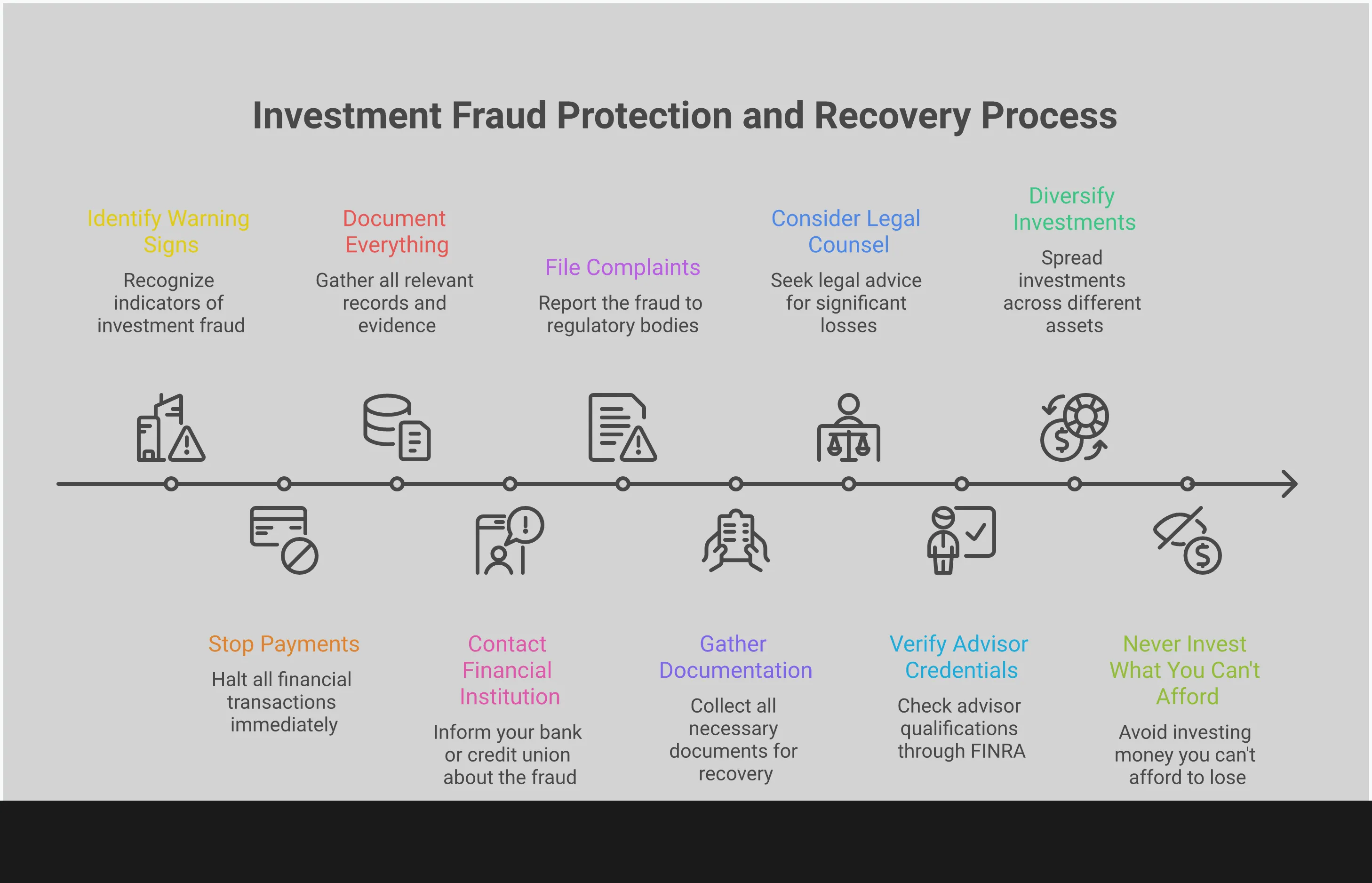
One of the most common tactics used in financial misconduct is creating a false sense of urgency. If an adviser insists you have to invest immediately in a “limited-time opportunity,” you should be skeptical. Legitimate investment strategies don’t require you to make snap decisions. This pressure is often paired with promises of unusually high or guaranteed returns. Be cautious of anyone promoting speculative investments with returns that seem too good to be true. Remember, all investments carry some level of risk, and anyone promising guaranteed, sky-high profits is likely not telling you the whole story.
This is a major red flag you should never ignore. When you fund an investment account, your money should always go directly to the brokerage firm, not to the adviser personally. Be extremely wary if an adviser asks you to write a check payable to them, their personal company, or an unfamiliar third party. Fraudulent schemes often involve unregistered products or accounts that exist outside the firm’s official channels. This allows the broker to bypass the firm’s supervision and misuse your funds. Always confirm that you are sending money to an official, firm-approved account.
Transparency is non-negotiable. Your financial adviser should be able to clearly explain every investment they recommend, including the risks involved. They must also be upfront about how they are compensated. If you ask about fees and get a vague or confusing answer, press for clarity. Advisers are paid through fees, commissions, or a combination of both, and you deserve to know exactly what you’re paying for. A refusal to provide clear documentation or straightforward answers about fees or specific investment issues is a sign that something is wrong.
Some advisers use complex jargon and convoluted strategies to intentionally confuse their clients. If you can’t understand an investment strategy, don’t invest. A trustworthy adviser should be able to explain their approach in plain language that makes sense to you. According to FINRA, you should avoid anyone who credits a “highly complex investing technique for unusual success.” Complexity can be used to hide excessive risk, high fees, or outright fraud. If your adviser can’t or won’t simplify their strategy for you, it may be time to find someone who will.
Trust is the foundation of your relationship with a financial adviser, but it’s always wise to verify their credentials before handing over your hard-earned money. Taking a few simple, proactive steps to research an adviser’s history can give you peace of mind and help you avoid potential problems down the road. Think of it as doing your due diligence—a crucial step in protecting your financial future. These tools and resources are publicly available and designed to give you a clear picture of who you’re working with.
One of the most straightforward ways to vet a financial professional is by using FINRA’s free BrokerCheck tool. This online database allows you to see an adviser’s employment history, professional qualifications, and any reported disclosures. These disclosures can include customer complaints, regulatory actions, or even criminal records. Simply type in the adviser’s name, and you’ll get a detailed report. It’s a quick and easy first step to rule out anyone with a history of violations and ensure you’re starting on the right foot.
Your financial adviser or their firm must be properly registered. Investment advisers are typically registered with either the U.S. Securities and Exchange Commission (SEC) or state securities regulators. You can check their registration using the SEC’s Investment Adviser Public Disclosure (IAPD) website. An adviser who isn’t registered with the proper authorities is a major red flag. Proper registration is a fundamental requirement for anyone providing investment advice, and a lack of it suggests they are operating outside the law.
Beyond basic registration, you’ll want to look closely at an adviser’s disciplinary record. The reports on BrokerCheck and the IAPD will detail any past issues. Have previous clients filed complaints against them? Has a regulator like FINRA or the SEC taken disciplinary action? While a single complaint isn’t always a deal-breaker, a pattern of broker fraud and negligence is a clear warning sign. Reading through these records gives you insight into how an adviser has conducted business and treated clients in the past.
It’s important to know what standard of care your adviser is held to. A fiduciary has a legal and ethical obligation to act in your best interest at all times. This means they must prioritize your financial goals above their own and avoid conflicts of interest. Ask a potential adviser directly if they are a fiduciary. A good adviser will work with you to create a financial plan tailored to your specific goals, not just push products that earn them a high commission. Understanding this distinction helps you find someone truly committed to your success.
When you discover you’ve been a victim of fraud, it can feel like the ground has fallen out from under you. But it’s important to know that you have rights as an investor, and there are established systems designed to protect you and help you recover your losses. Federal and state laws, along with industry regulations, create a framework to hold brokers and their firms accountable for misconduct.
Understanding these protections is the first step toward taking action. You are not alone in this process. The financial industry is regulated by bodies like the Securities and Exchange Commission (SEC) and the Financial Industry Regulatory Authority (FINRA) to prevent fraud and provide a path for recourse when it happens. From specific rules governing a broker’s conduct to formal dispute resolution processes, these safeguards are in place to protect your financial well-being. Knowing how to use these tools can make all the difference in seeking justice and recovering what you’ve lost.
If you have a dispute with your broker or their firm, you don’t necessarily have to go through a lengthy and public court battle. For many investors, the most effective path to recovering losses is through securities arbitration. This is a formal dispute resolution process overseen by FINRA that is often faster and more cost-effective than traditional litigation. When you open an account with a brokerage firm, you typically sign an agreement that includes a clause requiring you to resolve disputes through arbitration. This process allows you to present your case before an impartial arbitrator or panel that will issue a final, binding decision. For investors who have lost a significant amount of money, FINRA arbitration is often the best choice for seeking recovery.
Brokers aren’t just salespeople; they have a fundamental obligation to act in your best interest. This principle is formalized in a rule called Regulation Best Interest (Reg BI). This regulation requires brokers to put your financial interests ahead of their own when making an investment recommendation. This means they cannot recommend a product just because it earns them a higher commission. They must have a reasonable basis to believe the recommendation is suitable for you based on your investment profile, financial situation, and goals. When a broker uses client funds for personal gain or pushes unsuitable investments, they are clearly violating these core duties and the trust you placed in them. Understanding these investment issues is key to identifying misconduct.
A broker rarely acts in a vacuum. The brokerage firm they work for has a critical responsibility to supervise its employees and ensure they are following industry rules and regulations. This duty to supervise is a cornerstone of investor protection. If a firm fails to monitor its brokers’ activities, ignores red flags, or has inadequate compliance systems, it can be held liable for the losses an investor suffers due to an employee’s misconduct. This means that when you file a claim, you are often not just taking action against the individual broker but also against the firm that failed to prevent the harm. This accountability for broker fraud and negligence is essential for maintaining integrity in the financial industry.
Realizing that your financial adviser might be taking advantage of you can be a deeply unsettling experience. It’s easy to feel overwhelmed or unsure of what to do next. If your gut is telling you something is wrong with your investments or your broker’s behavior, it’s important to listen to that instinct and take clear, deliberate action. The steps you take now can make a significant difference in protecting your financial future and holding the responsible parties accountable.
The very first thing you should do is stop sending any more money. If your broker is pressuring you for additional funds with promises of recouping losses or getting in on a “limited-time” opportunity, hold firm. Do not authorize any new trades or transfers. Your priority is to safeguard your remaining capital. This is a critical moment to pause and assess the situation without further financial exposure. Seeking guidance from a qualified securities lawyer can help you understand the best way to protect your investments from further harm and clarify your rights as an investor facing potential broker fraud and negligence.
Your next step is to gather all your records. Collect every document related to your account, including statements, trade confirmations, emails, and any correspondence you’ve had with your adviser. If you have notes from phone calls, organize them by date. Creating a detailed timeline of events can be incredibly helpful. Once you have your documentation in order, you can report the misconduct. You can file a complaint with the brokerage firm’s compliance department and with regulatory authorities like FINRA and the SEC. Becoming an SEC whistleblower can also be an option in certain situations, providing a formal channel to report wrongdoing.
Many investors who have been harmed by a broker’s actions have legal options to get their money back. You don’t have to accept the losses as a sunk cost. The most common path for resolving these disputes is through the securities arbitration process, which is handled by the Financial Industry Regulatory Authority (FINRA). This process is often more efficient than a lengthy court battle. An attorney who focuses on investment fraud can explain your options and represent your interests, working to recover the funds you’ve lost. To understand the specific path for your situation, you can contact us for a confidential review of your case.
Is a brokerage firm like Edward Jones responsible for what one of their advisers does? Yes, brokerage firms have a legal duty to supervise their advisers. This means they are required to monitor their employees’ activities to prevent misconduct. If a firm fails to enforce its own rules or ignores warning signs, it can be held liable for an investor’s losses. This is why legal claims are often filed against both the individual broker and the firm that failed to properly oversee them.
My adviser is promising high, guaranteed returns. Is this a problem? Promises of high or guaranteed returns are a significant red flag. All investments come with some degree of risk, and no legitimate professional can guarantee a specific outcome. This tactic is often used to create a false sense of urgency and pressure you into making a quick decision without thinking it through. A trustworthy adviser will have a realistic conversation with you about potential risks and returns, not promise the impossible.
What is the single most important first step if I suspect my adviser is mishandling my money? If you have any concerns, the first thing you should do is stop sending money. Do not authorize any new investments or transfers, no matter how much pressure you feel. Your immediate priority is to prevent any further losses. After that, begin gathering all your account statements, trade confirmations, and any written communication you have with your adviser. Having clear documentation is crucial for understanding what happened and building a potential case.
What is securities arbitration, and how is it different from a lawsuit? Securities arbitration is a formal process for resolving disputes that is usually faster and more private than a court case. When you open a brokerage account, you typically agree to use arbitration to handle any future conflicts. Instead of a judge and jury, your case is heard by an impartial arbitrator or a panel of arbitrators who are knowledgeable about the securities industry. Their decision is final and legally binding.
Besides using BrokerCheck, what’s a simple way to protect myself from fraud? Always insist on clear, written communication and documentation. Your money should only ever be sent directly to the brokerage firm, never to an individual adviser or a third-party company. Make sure you receive regular account statements directly from the firm, and review them carefully for any unauthorized trades or unusual activity. If your adviser can’t explain a strategy or a fee in a way that you can easily understand, that’s a sign to be cautious.