
+1-888-741-7503
NO FEES UNTIL WE WIN
FREE CONSULTATION
NO FEES UNTIL WE WIN
FREE CONSULTATION
What does a customer complaint on a broker’s record really mean for you as an investor? It’s a question many people have, and the answer is crucial for protecting your assets. A single complaint can reveal a lot about a broker’s practices and whether they prioritize their clients’ best interests. To help you understand what to look for, we are taking a closer look at the professional history of Westpark Capital, Inc. broker Ralph Saigh. His public record includes a customer dispute involving allegations of an unsuitable investment, providing a clear example of the kind of information you can find and why it matters so much in your decision-making process.
When you entrust your money to a financial professional, you deserve to know exactly who you’re working with. Understanding a broker’s background is a critical step in protecting your investments. If you’ve worked with Ralph F. Saigh or are considering it, having a clear picture of his career and professional conduct is essential for making sound financial decisions. This information is publicly available, and knowing where to find it puts the power back in your hands.
Ralph F. Saigh is a registered broker currently employed with WestPark Capital, Inc. in Boca Raton, Florida. His career in the financial services industry is documented under the Central Registration Depository (CRD) number 2209741. This unique number is used to track a broker’s history across different firms and states. According to his public records, he is licensed as a registered representative. You can review his full employment history, qualifications, and any reported customer disputes or disciplinary actions by using BrokerCheck, a free tool provided by the Financial Industry Regulatory Authority (FINRA). It’s a valuable resource for any investor wanting to perform due diligence on a financial professional.
At WestPark Capital, Inc., a full-service investment firm, Ralph Saigh provides clients with a range of financial services, including investment banking and private brokerage products. In this role, he is responsible for managing client accounts, monitoring activity, and offering financial advice. This position places him in a significant position of trust, as clients rely on his guidance to manage their assets. When a broker offers advice, they have a duty to act in their client’s best interest. A failure to uphold this standard, such as recommending unsuitable investments or misrepresenting information, can constitute broker fraud and negligence and may lead to significant financial harm for the investor.
As a full-service investment firm, Westpark Capital offers a wide array of financial products and services that go beyond simple stock trading. For investors, this means that brokers like Ralph Saigh have access to a broad toolkit, including complex investment vehicles, corporate financing opportunities, and in-house research. While a wide range of options can be beneficial, it also underscores the importance of ensuring that any recommendation you receive is genuinely aligned with your personal financial goals, risk tolerance, and timeline.
Understanding the services a firm provides is a critical first step in protecting your portfolio. It gives you context for the types of investments your broker might suggest and helps you ask more informed questions. When a firm is involved in everything from private brokerage to investment banking, it’s essential to know that the advice you’re getting is tailored to you, not just driven by the products the firm wants to promote. This is a key area where investment issues can arise if a broker prioritizes the firm’s interests over their client’s.
Westpark Capital’s services include investment banking and equity research. In simple terms, investment banking helps companies raise money, while equity research involves analyzing stocks and market trends to provide investment insights. For a retail investor, this means your broker may have access to proprietary research and unique investment opportunities tied to the firm’s banking deals. While this can sound appealing, it’s important that any recommendation based on this internal research is still a suitable fit for your individual financial profile. The research should serve your goals, not just the firm’s corporate clients.
The core of most investor-broker relationships lies in private brokerage and advisory services. This is where a broker manages your accounts, executes trades, and provides ongoing financial advice. Firms like Westpark Capital offer various account options that include services like account and activity monitoring. When you entrust someone with managing your money, you expect them to act with your best interests at heart. Unfortunately, this is where problems like recommending unsuitable products or making trades that don’t fit your objectives can happen, sometimes leading to cases of broker fraud and negligence. An advisory role carries a significant responsibility to provide sound, personalized guidance.
When you trust a broker with your money, you expect them to act in your best interest. Unfortunately, that doesn’t always happen. Public records show that Ralph Saigh, a broker at Westpark Capital, INC., has faced a customer complaint regarding his investment recommendations. Understanding the details of such complaints can help you recognize potential red flags and protect your own portfolio. These records are a crucial part of holding financial professionals accountable for their actions.
One of the most common forms of broker fraud and negligence involves recommending unsuitable investments. This means a broker suggests a product that doesn’t align with your financial situation, risk tolerance, or investment goals. According to public records, a complaint was filed against Ralph Saigh alleging that he recommended an investment that was not suitable for the client. This type of complaint is serious because it suggests the broker may have prioritized their own interests, like a higher commission, over the client’s financial well-being. It’s a fundamental responsibility for brokers to know their clients and recommend appropriate products.
The specific complaint against Mr. Saigh centers on a certificate of deposit, or CD. The client stated they requested a “non-callable CD,” which is a straightforward investment that cannot be terminated early by the issuing bank. Instead, the client alleges that Mr. Saigh purchased a “callable CD.” A callable CD gives the bank the right to end the CD before its maturity date, which often happens when interest rates fall. The client claimed they lost out on interest payments because the CD was, in fact, called early. This situation highlights a direct conflict between what the client asked for and what the broker delivered.
Transparency is key when it comes to your finances. That’s why the Financial Industry Regulatory Authority (FINRA) provides a free tool called BrokerCheck. This database allows you to see a broker’s employment history, licenses, and, most importantly, any customer disputes or regulatory actions. You can view Ralph Saigh’s record for yourself to see the details of the complaint filed against him. Reviewing a broker’s history on this platform is a vital step for any investor. It gives you access to the information you need to make informed decisions about who manages your money.
When you trust a firm with your financial future, you expect them to operate with integrity. A brokerage firm’s reputation is built on its history, its adherence to regulations, and how it handles customer issues. Looking into a firm like Westpark Capital, Inc. gives you a clearer picture of the environment in which its brokers operate. A pattern of complaints or regulatory actions against a firm or its representatives can be a serious warning sign for any investor. It’s not just about one individual broker; the firm itself sets the tone for compliance and client care. Understanding this context is a key part of protecting your investments and making informed decisions about who manages your money.
Westpark Capital, Inc. is a registered broker-dealer, which means it and its representatives are subject to oversight by regulatory bodies like the Financial Industry Regulatory Authority (FINRA). This oversight is designed to protect investors from misconduct. You can get a transparent look at a firm’s history by using tools like FINRA’s BrokerCheck, which provides employment history, licenses, and any reported disclosures or violations for both firms and individual brokers. A clean record is what every investor hopes to see, but disclosures and regulatory actions can reveal a history of problems that you should be aware of before entrusting a firm with your savings.
Customer complaints filed against a firm’s brokers can point to larger, systemic problems. When brokers recommend investments that aren’t suitable for a client’s financial situation or risk tolerance, it can be a sign of broker fraud and negligence. For instance, a complaint against Westpark Capital’s Ralph Saigh alleged that he recommended an unsuitable investment in a callable CD that was terminated early, causing the client to lose interest. This type of complaint raises questions about whether the firm is ensuring its brokers adhere to important rules like the SEC’s Regulation Best Interest, which requires them to act in their clients’ best interests.
Before you entrust your financial future to anyone, it’s crucial to do your homework. Taking a few simple steps to research a broker can give you peace of mind and help you spot potential red flags before it’s too late. Thankfully, there are free and reliable tools available that make this process straightforward for any investor. Think of it as a background check for your finances—an essential step in protecting your hard-earned money. This due diligence is your first line of defense against potential broker fraud and negligence. By verifying a broker’s history and qualifications, you empower yourself to make more informed decisions about who manages your investments.
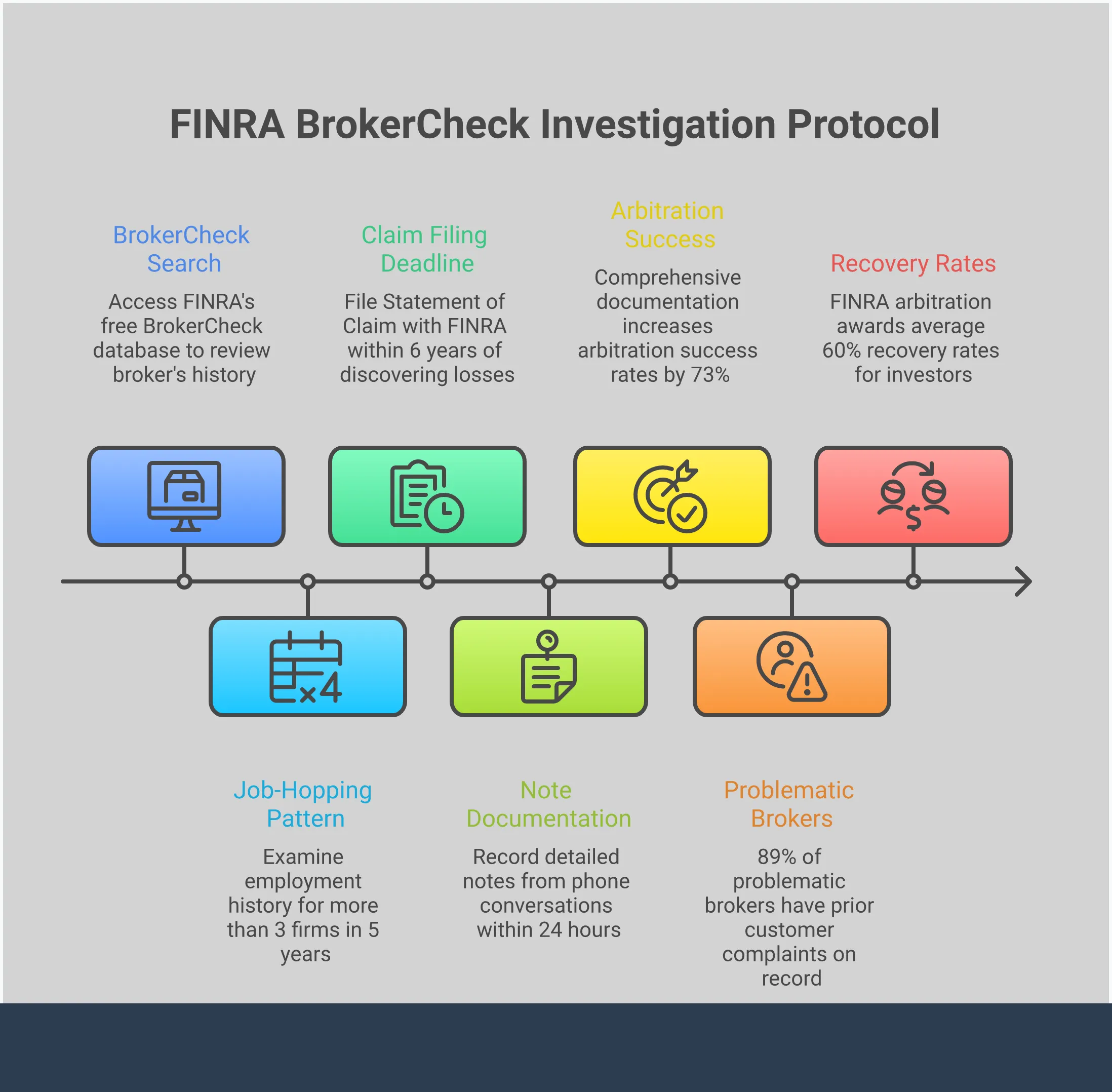
Your first and most important stop should be FINRA’s BrokerCheck. This is a free tool from the Financial Industry Regulatory Authority that gives you a detailed look into the professional background of brokers and firms. BrokerCheck is a trusted resource that shows you a broker’s employment history, certifications, licenses, and any reported disclosures, such as customer complaints or regulatory actions. Using it is simple: just type in the broker’s name and location. The report you receive is a comprehensive snapshot of their career, allowing you to see where they’ve worked, what exams they’ve passed, and if they have a history of misconduct. It’s an indispensable tool for any investor.
While reviewing a broker’s profile on BrokerCheck, pay close attention to the “Disclosures” section. This is where you’ll find any customer complaints, regulatory actions, or other black marks on their record. For example, a complaint filed against broker Ralph Saigh of Westpark Capital alleged that he recommended investments that were not suitable for the client. Seeing a history of similar complaints can be a major red flag. It suggests a pattern of behavior that could put your own investments at risk. Don’t just glance at this section; read the details to understand the nature of the issues and how they were resolved.
Finally, use BrokerCheck to confirm that your broker is properly qualified to handle your money. The tool lets you see if they have the necessary licenses to conduct business and what special training or certifications they hold. This step is crucial for ensuring the person you’re working with has the required permissions and qualifications for their role. A legitimate broker will have a clear and verifiable record of their credentials. If the information is missing or doesn’t seem right, it’s a sign to be cautious. Verifying these details helps confirm you are dealing with a qualified professional, not someone who is misrepresenting their abilities.
It’s easy to feel like you should just trust your financial advisor, but it’s so important to listen to your instincts. If an investment recommendation feels off or doesn’t align with the goals you’ve discussed, it probably is. Unsuitable investment advice happens when a broker recommends a strategy or product that doesn’t fit your financial situation, risk tolerance, or objectives. This isn’t just bad service; it can be a serious breach of their professional duty.
Recognizing the warning signs is the first step toward protecting your portfolio. A broker’s job is to understand your financial picture and help you work toward your goals, not push products that benefit them more than you. Being an informed investor means knowing what to look for and understanding the rules that are in place to protect you. If you suspect something is wrong, you have rights and options for taking action.
One of the clearest red flags is when a broker disregards your specific instructions. For example, a client once filed a complaint against broker Ralph Saigh of Westpark Capital, alleging he recommended an unsuitable investment. The client specifically asked for a “non-callable CD,” an investment that can’t be ended early by the issuer. Instead, the broker purchased a “callable CD,” which was cashed in early, causing the client to lose interest income. This kind of mismatch between what you ask for and what you get is a major warning sign of broker fraud and negligence. Other red flags include pressure to make a decision quickly, recommendations for complex products you don’t understand, or a portfolio that is heavily concentrated in one or two high-risk investments.
You should know that brokers are bound by specific rules designed to protect you. One of the most important is the SEC’s “Regulation Best Interest” (Reg BI). This rule requires brokers to act in their client’s best interest at all times. It goes beyond simply recommending a “suitable” investment; it means they must have a reasonable basis to believe a recommendation is truly the best option for you based on your investment profile, risk tolerance, and financial goals. This regulation is a powerful tool for holding brokers accountable. If you’re facing investment issues, understanding these rules can make all the difference in protecting your financial future.
Realizing you’ve suffered significant investment losses can be a jarring and stressful experience. It’s natural to feel a mix of confusion, anger, and uncertainty about what to do next. The most important thing to remember is that you have rights, and there are concrete steps you can take to address the situation. Taking control starts with organized action. Before you can effectively challenge a broker’s advice or actions, you need to build a solid foundation of evidence. This process isn’t just about paperwork; it’s about creating a clear, factual story of what happened. By documenting everything and understanding the formal complaint process, you shift from being a passive victim of circumstance to an active participant in seeking a resolution. These initial steps are critical for any potential legal action, including securities arbitration, and can make all the difference in your ability to recover what you’ve lost.
Your first move should be to gather every piece of paper and digital communication related to your investment. Think of yourself as a detective building a case. Collect all account statements, transaction confirmations, emails, and text messages between you and your broker. If you had phone calls, write down your notes from those conversations, including dates and what was discussed. Did the broker give you any pamphlets or marketing materials? Add those to the file. This detailed record is your most powerful tool. It creates a clear timeline and provides the evidence needed to challenge instances of broker fraud and negligence and prove that the advice you received was inappropriate for your financial situation.
Once your documents are in order, the next step is to file a formal complaint. This isn’t just about voicing your dissatisfaction; it’s an official action that can trigger an investigation into the broker’s conduct. Brokers are required to follow strict rules, including the SEC’s Regulation Best Interest (Reg BI), which mandates they act in your financial best interest, not just sell you a “suitable” product. Filing a complaint with the Financial Industry Regulatory Authority (FINRA) or the appropriate state securities regulator holds them to that standard. This formal step is often necessary before you can pursue recovery of your losses through arbitration. It puts your concerns on the official record and is a crucial move toward holding your broker accountable.
Discovering that you’ve suffered investment losses due to your broker’s actions can be disheartening, but it’s important to remember that you have rights. The financial industry is regulated, and there are established systems in place to protect investors from misconduct. Understanding these rights is the first step toward holding the responsible parties accountable and working to recover your funds. Whether through a formal arbitration process or other legal avenues, you don’t have to accept your losses without a fight.
If you believe your broker acted improperly, you have a clear path to seek help and potentially get your money back. The process of securities arbitration allows investors to resolve disputes with their brokers and brokerage firms outside of a traditional courtroom. This method is often more efficient than litigation, leading to quicker resolutions and lower costs. Arbitration is a formal proceeding where your case is presented to an impartial arbitrator or panel that will issue a binding decision. It is a powerful tool designed to give you a fair hearing and a direct opportunity to reclaim funds lost due to financial misconduct.
Brokers are required to follow strict rules, including the SEC’s “Regulation Best Interest” (Reg BI). This regulation means that brokers must always act in your best interest, not their own. They have a duty to understand your financial situation, risk tolerance, and investment goals, and to only recommend investments that are truly suitable for you. When a broker fails to meet these obligations—by pushing unsuitable products or misrepresenting information—they can be held accountable for their actions. This type of broker fraud and negligence is a serious violation, and you have the right to pursue a claim to recover your damages.
Discovering that your investment losses may stem from your broker’s poor advice or misconduct can be incredibly disheartening. It’s easy to feel overwhelmed and unsure of what to do next. But you don’t have to face this situation alone. At The Frankowski Firm, we are dedicated to protecting investors’ rights and holding financial professionals accountable for their actions. We believe that you deserve a team that will listen to your story and fight for your financial recovery.
For over 25 years, our attorneys have focused on the complexities of financial disputes. We understand the tactics that brokerage firms use and are prepared to stand with you against them. We provide the personalized attention and detailed approach your case deserves, ensuring you understand your options every step of the way. There are established legal pathways to recover losses caused by broker fraud and negligence, and our role is to guide you through that process with clarity and confidence.
If you have lost money due to a broker’s actions, it’s crucial to understand your rights. Brokers are bound by strict industry rules, including the SEC’s Regulation Best Interest (Reg BI), which legally requires them to act in their clients’ best interests and only recommend suitable investments. When they fail to meet these fundamental obligations, you may have grounds to file a claim. Most of these disputes are resolved through a process called securities arbitration. The Frankowski Firm specializes in representing investors in this specific forum, ensuring your case is presented effectively and your rights are protected from start to finish.
Investors who believe they have been wronged by their brokers have clear options to seek restitution. The Frankowski Firm can guide you through the entire process, from documenting your losses and filing a formal complaint to pursuing your claim in arbitration. Our primary goal is to help you reclaim your financial future and restore your peace of mind. We know that taking the first step can feel intimidating, but understanding your legal options is the key to moving forward. If you have suffered losses from what you believe are unsuitable investment issues, we invite you to contact us for a confidential consultation to discuss your situation.
What is the main concern raised about Ralph Saigh in this post? The central issue highlighted is a customer complaint alleging that he recommended an unsuitable investment. The client specifically requested a simple, non-callable CD but was instead sold a callable CD, which was terminated early by the bank. This resulted in a loss of interest for the client and shows a disconnect between the client’s instructions and the broker’s actions.
You mention “unsuitable investments.” What does that mean for me? An unsuitable investment is any financial product or strategy that doesn’t align with your personal situation. Think of it as a mismatch. Your broker should understand your financial goals, how much risk you’re comfortable with, and your timeline. If they recommend a high-risk stock when you’ve said you need to preserve your capital for retirement, that could be an unsuitable recommendation.
How can I check if my own broker has complaints filed against them? The best way to do this is by using FINRA’s BrokerCheck tool. It’s a free, public database that provides a detailed professional history for brokers and firms. You can simply search for your broker’s name to see their employment history, licenses, and any disclosures, which include customer complaints or regulatory actions.
I think my broker gave me bad advice and I lost money. What is the absolute first thing I should do? Before you do anything else, start gathering all your documents. Your first step is to collect every account statement, trade confirmation, email, and any notes you have from conversations with your broker. Creating a clear, organized record of what happened is the most important foundation for building a case and protecting your rights.
What is securities arbitration and why would I use it? Securities arbitration is the primary way investors resolve disputes with their brokerage firms. Instead of going through a lengthy court battle, your case is presented to an impartial arbitrator who makes a binding decision. It is a formal legal process designed to be more efficient than litigation and is the standard path for investors seeking to recover losses caused by broker misconduct.