
+1-888-741-7503
NO FEES UNTIL WE WIN
FREE CONSULTATION
NO FEES UNTIL WE WIN
FREE CONSULTATION
The financial community in Buckhead is built on relationships and trust. When an advisor or brokerage firm violates that trust, the impact is felt deeply. You worked hard for your money and made careful plans for your future, only to see it jeopardized by someone else’s misconduct. It’s a frustrating and often isolating experience, but you have powerful legal rights. The key is knowing how to use them. This article serves as a practical roadmap for investors who suspect they’ve been wronged. We’ll cover how to prepare for a legal consultation, what the recovery process looks like, and how to protect yourself in the future. Finding the right Buckhead investment fraud attorney is a critical part of this journey, ensuring you have a local advocate who understands the landscape and is committed to your case.
When you trust someone with your hard-earned money, you expect them to act in your best interest. Investment fraud happens when a financial professional breaks that trust, using deceptive or illegal practices to mislead you for their own gain. This isn’t about a stock performing poorly during a market downturn; it’s about deliberate misconduct that causes you real financial harm. The actions can range from a broker making unsuitable recommendations that don’t fit your goals to a more complex, fraudulent scheme designed to drain your accounts.
Losing money this way can feel isolating and even embarrassing, but it’s far more common than you might think and can happen to even the most careful investors. The key is to recognize that you have rights and there are clear pathways to recovery. Understanding what constitutes different investment issues is the first step toward taking back control. It’s about learning to identify when a financial loss isn’t just bad luck, but the direct result of someone else’s wrongful actions. By getting familiar with the common types of fraud and the warning signs that often accompany them, you can see your situation more clearly and make an informed decision about what to do next. You don’t have to accept these losses as a final outcome.
Investment fraud can take many forms, but some patterns appear more frequently than others. A classic example is a Ponzi scheme, where returns are paid to earlier investors using capital from newer investors, rather than from legitimate investment profits. Another common issue is broker fraud and negligence, which covers a wide range of misconduct. This could involve your broker making trades without your permission, pushing you into investments that are far too risky for your stated goals, or churning your account with excessive trades just to generate commissions for themselves. You might also encounter pump-and-dump schemes, where fraudsters spread false information to artificially inflate a stock’s price before selling their shares and leaving other investors with worthless stock.
Trusting your intuition is important when it comes to your finances. If something feels off, it probably is. Be on the lookout for specific red flags that could signal fraudulent activity. Are you seeing trades on your account statement that you never authorized? Is your account value dropping sharply without a clear market-related reason? Pay attention to promises of “guaranteed” returns or investments with “no risk”—these are almost always too good to be true. Another major warning sign is if your portfolio is filled with complex or high-risk products that don’t match the conservative investment strategy you discussed with your advisor. Constant buying and selling in your account could also be a sign of churning.
Fortunately, you are not alone in this fight. Federal and state laws are in place to protect investors from deceptive practices. These regulations create a framework for holding financial professionals accountable for their actions. In Georgia, it’s important to know that there is a time limit, or statute of limitations, for filing a claim. Generally, you must file within two years of when you discovered the fraud or reasonably should have discovered it. This makes it critical to act quickly once you suspect something is wrong. Many of these cases are resolved through a process called securities arbitration, which is often a more streamlined alternative to court. An attorney can help you understand your specific rights and the best legal path forward.
Finding the right legal partner after experiencing investment fraud can feel like another mountain to climb. You need someone who not only understands the law but also understands what you’re going through. The right attorney will be your advocate, guiding you through the process of recovering your losses and holding the responsible parties accountable. When you’re ready to take that step, focus on a few key areas to ensure you’re choosing a firm that’s equipped to handle your case with the care and diligence it deserves.
When your financial future is on the line, you want a lawyer who lives and breathes securities law. This area of law is incredibly complex and specific, so it’s best to work with an attorney who practices primarily in investment fraud. A general practice lawyer, while skilled in other areas, may not have the deep knowledge of financial regulations and the specific procedures of securities arbitration required to build the strongest case for you. An attorney focused on investment issues will understand the tactics used by dishonest brokers and firms and know the most effective strategies for fighting back.
Experience is one thing, but a history of success is another. Before committing to a law firm, take a look at their track record. Don’t be afraid to ask about their past cases and results. Reputable firms are often transparent about their successes and can provide testimonials or case studies that show their experience in action. Seeing that a firm has successfully handled cases similar to yours, such as those involving broker fraud and negligence, can give you confidence that your claim is in capable hands. This isn’t about finding the flashiest firm; it’s about finding one with proven results.
The legal process can be long and confusing, so you need an attorney who communicates clearly and consistently. During your initial consultation, pay attention to how they listen to your story and explain your options. Do they use plain language instead of legal jargon? Do you feel heard and respected? A good investment fraud lawyer will act as your partner, keeping you informed at every stage and making sure you understand what’s happening with your case. This open line of communication is essential for building the trust needed to see your case through to the end.
The cost of legal help is a major concern, especially when you’ve already suffered a financial loss. Most investment fraud attorneys work on a contingency fee basis. This means you don’t pay any attorney fees upfront. Instead, the law firm’s fee is a percentage of the money they recover for you. If they don’t win your case, you don’t owe them a fee. This structure makes it possible for anyone to seek justice, as many victims of investment fraud are in no position to pay out of pocket. Be sure to ask for a clear explanation of the fee agreement before you sign anything.
Walking into a consultation with an investment fraud attorney can feel overwhelming, but a little preparation goes a long way. Taking the time to organize your thoughts and documents beforehand helps your attorney understand your situation quickly and gives you clarity on the path forward. Think of this initial meeting as a strategic session where you lay out the facts and begin to build a plan. The more organized you are, the more productive the conversation will be, allowing you to make the most of this critical first step toward recovering your losses.
Your first move should be to gather every piece of paper and digital file related to your investments. This includes account statements, trade confirmations, prospectuses, and any contracts you signed. Don’t forget communication records like emails, text messages, and even your own handwritten notes from phone calls. These documents are the foundation of your case and provide concrete evidence of what occurred. Having this information on hand helps an attorney assess the strength of your claim, especially in cases involving broker fraud and negligence. Organize everything chronologically in a binder or a digital folder so you can easily reference specific items during your meeting.
Once you have your documents, piece together a clear timeline of events. Start from the beginning: When did you first meet the broker or advisor? What were your initial investment goals? Note key dates, such as when you deposited funds, when specific trades were made, and when you first started to suspect something was wrong. This narrative helps your attorney see the full picture and identify critical moments where misconduct may have occurred. A detailed timeline is an invaluable tool for building a case and is often a central piece of evidence in the securities arbitration process.
This consultation is a two-way street. It’s your opportunity to interview the attorney and ensure they are the right fit for you. Come prepared with a list of questions. You might ask about their experience with cases similar to yours, their typical process, and how they will keep you informed. It’s also fair to ask about their fee structure and what you can expect in terms of costs. Understanding how an attorney approaches different investment issues will give you confidence in their ability to handle your case and help you establish a strong working relationship from the start.
Before you speak with an attorney, take a moment to think about what a successful outcome looks like for you. Your primary goal is likely to recover the money you lost, but there may be other objectives. Are you hoping to recover interest or potential growth your money would have earned elsewhere? Is holding the responsible party accountable important to you? Being clear about your goals helps your attorney develop a legal strategy tailored to your specific needs. This clarity is the first step in taking back control of your financial future, and a good attorney will work with you to set realistic expectations and map out a plan to get there.
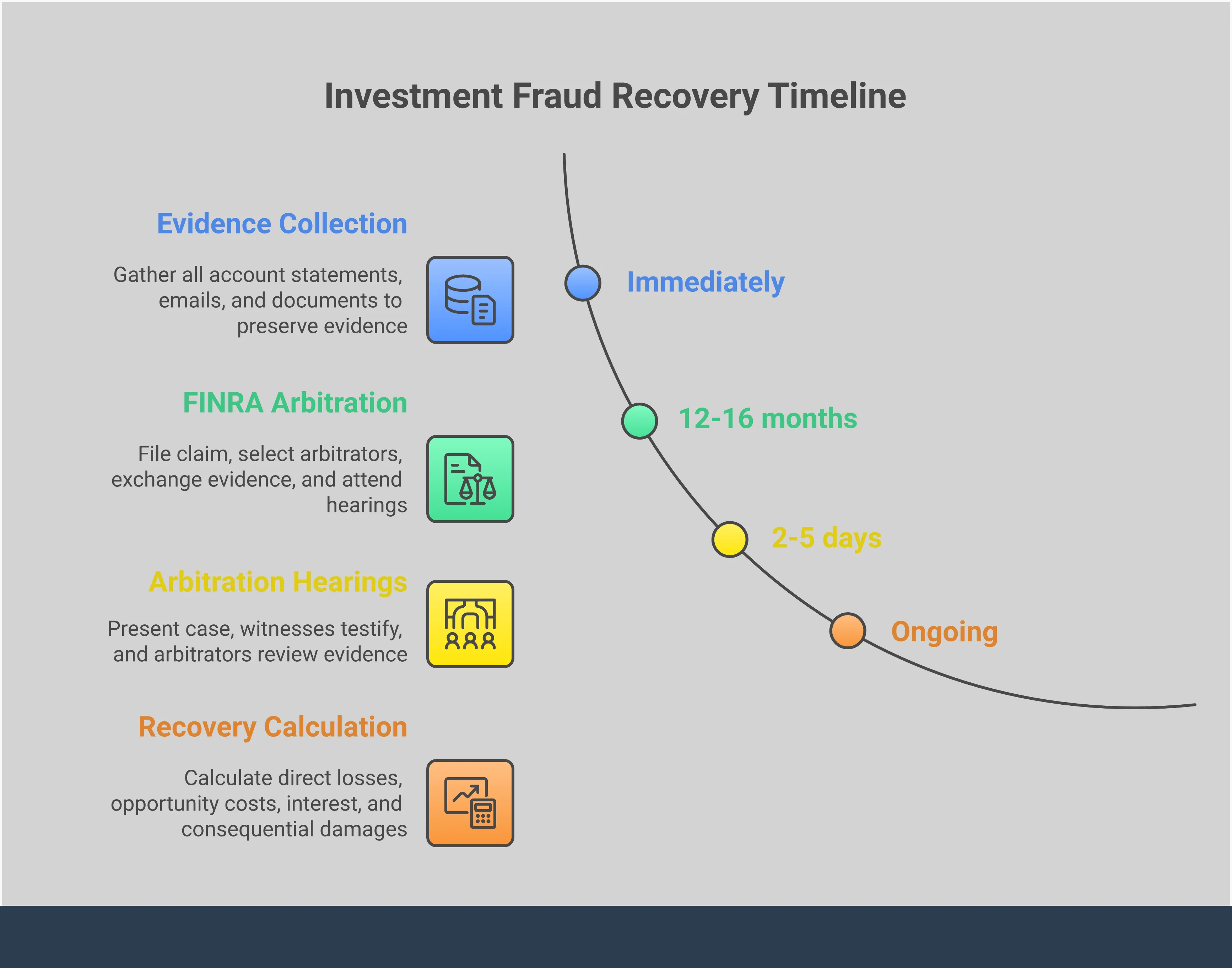
Taking the first step to recover your investment losses can feel daunting, but the process is more structured than you might think. When you decide to pursue a claim, you’re not just handing your problem over to someone else; you’re partnering with a legal team that will guide you through a series of clear, defined stages. From the moment you share your story to the final resolution, each phase is designed to build your case and move you closer to a financial recovery. Understanding this roadmap can help demystify the journey ahead and give you the confidence to move forward. It’s about taking back control, one step at a time, with a dedicated advocate by your side.
Your journey begins with a simple, confidential conversation. This initial case review is a no-pressure opportunity for you to share what happened and for an attorney to assess the strength of your potential claim. You’ll discuss the details of your investments, the advice you received, and the losses you incurred. We encourage you to bring any documents you have, but don’t worry if you don’t have everything organized yet. The goal is to get a clear picture of the situation. To get started, you can simply contact our firm to schedule a review. This first step is about understanding your options and determining the best path forward for your specific circumstances.
Once you decide to proceed, the next phase involves a deep dive into the facts. If you suspect fraud, your first move should be to gather all related documents and create a clear timeline of events. This includes account statements, trade confirmations, emails with your broker, and any notes you took during conversations. Your legal team will guide you through this process, helping you identify the most critical pieces of information. They will also conduct a thorough investigation to uncover evidence of broker fraud and negligence, building a strong foundation for your claim. Every document helps paint a clearer picture of the misconduct and strengthens your position.
With a solid body of evidence, your attorney will develop a legal strategy tailored to your case. This isn’t a one-size-fits-all plan; it’s a customized approach based on the specific type of misconduct, the laws that apply, and your personal recovery goals. Your lawyer will outline the available options, which could include direct negotiation with the brokerage firm, mediation, or filing a formal claim. They will explain the potential outcomes and risks associated with each path, ensuring you are an active participant in the decision-making process. This collaborative approach ensures the strategy aligns with your objectives for resolving your investment issues.
Many investors are surprised to learn that their dispute won’t be heard in a traditional courtroom. When you opened your brokerage account, you likely signed an agreement that requires you to resolve conflicts through FINRA arbitration. The Financial Industry Regulatory Authority (FINRA) runs a private dispute resolution forum that is often faster and less formal than court litigation. The process involves filing a claim, selecting a neutral arbitrator or panel, and presenting your case in a hearing. An experienced attorney can represent you throughout the entire securities arbitration process, from filing the initial paperwork to arguing your case before the panel.
It’s important to have realistic expectations about how long the recovery process can take. Strict deadlines, known as statutes of limitations, apply to investment fraud claims, so it’s critical to act quickly to protect your rights. The total timeline for a case can vary widely, from several months to more than a year. Factors that influence the duration include the complexity of the fraud, the amount of evidence to review, and whether the opposing party is willing to negotiate a fair settlement. A case that settles early will resolve much faster than one that proceeds to a full arbitration hearing. Your attorney will keep you informed of progress and any expected delays along the way.
When you discover you’ve been a victim of investment fraud, the financial and emotional toll can be overwhelming. A primary concern is, understandably, whether you can get your money back. The good news is that the legal process is designed to help you recover your losses and, in many ways, restore your financial standing. The goal is to make you “whole” again, as if the misconduct never happened.
Recovery isn’t always limited to the exact dollar amount you lost. Depending on the circumstances of your case, you may be able to claim several types of damages. These can include the initial capital you invested, the growth that capital should have generated, and even the costs associated with pursuing your claim. The total amount you can recover will depend on the specifics of your situation, the nature of the broker fraud and negligence, and the legal strategy employed. Understanding the different categories of recoverable losses can help you set clear goals as you begin the process of seeking justice.
The most straightforward component of your recovery is your direct financial loss. This is the principal amount of money you invested that was lost due to fraudulent activity or a broker’s misconduct. Think of it as the starting point for your claim—the core amount that was taken from you. Calculating this figure is often a matter of reviewing your account statements and transaction histories to pinpoint the exact out-of-pocket losses. Pursuing the return of this capital is the fundamental objective in any investment fraud case, aiming to return the money that was rightfully yours in the first place.
Your money wasn’t just sitting idle; it was supposed to be working for you. When your funds are mishandled, you don’t just lose the principal—you also lose the potential earnings that money could have generated if it had been invested properly. This is often referred to as “opportunity cost.” In many securities arbitration claims, you can seek to recover the interest or reasonable returns your investment should have earned during the period it was mismanaged. This helps to more accurately restore you to the financial position you would have been in had the fraud not occurred, acknowledging the lost growth potential of your assets.
The thought of paying for legal help when you’ve already lost money can be daunting. That’s why many investment fraud attorneys work on a contingency fee basis. This means you don’t pay any attorney fees unless your case is successful and you recover funds. The attorney’s fee is typically a percentage of the amount recovered. This structure allows you to pursue your claim without needing to pay for legal representation upfront. In some situations, it may also be possible to recover the legal fees and other costs associated with bringing your claim from the party at fault, further reducing your financial burden. You can contact us to learn more about how this works.
Beyond direct losses and missed interest, other damages may be available depending on your case. If a broker’s actions involved a breach of their fiduciary duty or gross negligence, you might be able to claim additional damages. These are sometimes called punitive damages, which are intended to punish the wrongdoer and deter similar conduct in the future, though they are not awarded in every case. You may also be able to recover consequential damages, which are losses you suffered as a direct result of the initial fraud. Discussing all the unique investment issues in your case with an attorney will help clarify every potential avenue for recovery.
Discovering you may be a victim of investment fraud can feel overwhelming, but you have options for seeking justice and recovering your money. Taking deliberate, informed steps is the key to building a strong case. The process involves understanding legal timelines, working with a qualified attorney, organizing your evidence, and making strategic decisions about how to resolve your claim. With the right approach, you can move forward with confidence.
Time is a critical factor when you decide to pursue a claim. Statutes of limitations set strict deadlines for legal action. For example, under Georgia law, most investment fraud claims must be filed within two years of when you discovered the fraud or when it should have reasonably been discovered. Missing this window can prevent you from ever recovering your losses. This is why it’s so important to act quickly once you suspect something is wrong. The most common path for these disputes is through securities arbitration, a formal process designed to resolve investment-related conflicts outside of a traditional courtroom. An attorney can help you meet all necessary deadlines and file your claim correctly.
Once you choose a law firm to represent you, the next step is to formalize the relationship. You will sign an attorney-client agreement, which allows your legal team to officially begin the process of recovering your losses. This agreement outlines the scope of the work, the fee structure, and the responsibilities of both parties. From this point on, your attorney becomes your advocate. They will handle communications with the opposing side, manage all legal filings, and guide you through every stage of the process. Having a dedicated legal partner ensures your rights are protected and allows you to focus on your own well-being while they handle the complexities of your case. If you’re ready to take this step, you can contact us to schedule a consultation.
If you suspect fraud, your first move should be to gather all related documents and create a clear timeline of events. Strong documentation is the foundation of a successful claim. Collect everything you can find, including account statements, trade confirmations, emails, letters, and any notes you took during conversations with your broker or advisor. Organize these materials chronologically to build a comprehensive history of your investment and the advice you received. This detailed record will help your attorney understand the full scope of the broker fraud and negligence and use the evidence to build a compelling argument on your behalf. Acting quickly to preserve these records is essential, as they can be difficult to retrieve later.
At some point, you may receive a settlement offer from the opposing party. It can be tempting to accept the first offer just to put the situation behind you, but it may not fully compensate you for your losses. Your attorney will help you carefully evaluate any offer to determine if it is fair. They will consider the total amount of your financial losses, potential interest, and other damages. Many investment fraud attorneys work on a contingency fee basis, meaning they only get paid if you recover money. This structure aligns their interests with yours, as they are motivated to secure the best possible outcome for you. This approach helps you address your investment issues without the burden of upfront legal fees.
While recovering from investment fraud is possible, the best strategy is always prevention. Taking a proactive role in managing your financial life can help you identify potential issues early and shield your assets from harm. Here are a few key steps you can take to protect your financial future.
Staying engaged with your portfolio is one of the most effective ways to protect it. This means carefully reviewing your account statements each month for transactions you don’t recognize or fees that seem unusually high. If you suspect fraud, your first move should be to gather all related documents and create a clear timeline of events. This proactive monitoring helps you spot red flags early, giving you a better chance to address issues before they escalate. Keeping organized records will be invaluable if you decide to contact an attorney for help.
You have fundamental rights designed to protect you from misconduct. This includes the right to receive clear information and investment recommendations that are suitable for your financial situation. It’s also critical to understand that there are strict time limits, known as statutes of limitations, for filing a claim. Waiting too long can prevent you from recovering your losses. Understanding these rights is the first step toward advocating for yourself. If you believe your rights were violated, processes like securities arbitration provide a formal path to resolve disputes and seek recovery.
Safeguarding your investments starts with recognizing common red flags. Be cautious of unsuitable recommendations that don’t match your risk tolerance, excessive trading in your account, or affinity fraud that preys on trust within a community. Always ask questions and insist on clear, written explanations for any investment strategy. Never feel pressured to make a quick decision. Understanding the signs of broker fraud and negligence is key to prevention. If an investment opportunity sounds too good to be true or a financial professional is evasive, it’s wise to step back and seek a second opinion.
What’s the difference between a bad investment and actual fraud? Losing money in the market is a normal part of investing, as all investments carry some level of risk. The key difference is intent and conduct. A bad investment is often the result of market fluctuations or economic shifts that are outside of anyone’s control. Investment fraud, on the other hand, involves deliberate deception or negligence. This could be a broker recommending investments that are completely unsuitable for your goals, making trades without your permission, or misrepresenting the risks involved, all for their own benefit.
I feel embarrassed that this happened to me. Is it my fault? Not at all. Financial professionals who commit fraud are often very skilled at building trust and manipulating situations to their advantage. It can happen to even the most experienced and careful investors. The feeling of embarrassment is common, but it’s important to remember that you were the victim of wrongful conduct. The focus should not be on blame, but on understanding your rights and taking the necessary steps to hold the responsible party accountable.
How much does it cost to hire an attorney for an investment fraud claim? This is a major concern for anyone who has already suffered a financial loss. Most reputable investment fraud law firms, including ours, work on a contingency fee basis. This means you do not pay any attorney fees upfront. The firm’s fee is a percentage of the money that is recovered for you. If there is no recovery, you do not owe a fee for the attorney’s time. This approach allows you to pursue justice without worrying about out-of-pocket legal costs.
Will I have to go to court to recover my money? It’s unlikely that your case will end up in a traditional courtroom. When you open a brokerage account, the paperwork you sign usually includes a clause that requires disputes to be resolved through a process called FINRA arbitration. This is a formal dispute-resolution forum that is generally more streamlined and private than court litigation. An attorney who is familiar with this process can represent you every step of the way.
How long do I have to take action if I suspect fraud? There are strict deadlines, known as statutes of limitations, for filing an investment fraud claim. In Georgia, you generally have two years from the date you discovered the fraud, or reasonably should have discovered it, to file your case. Because of this limited window, it is critical to act quickly. If you wait too long, you could lose your right to recover your losses, so it’s important to speak with an attorney as soon as you suspect something is wrong.