Variable annuities are often sold with promises of security and growth for your retirement. But the reality can be a confusing contract, high fees that eat into your returns, and money that’s locked away when you need it most. If you’re looking at your account statements and feeling like the product you have doesn’t match the one you were sold, you’re not alone. These complex investments can be a source of major disputes when brokers prioritize their commissions over your financial well-being. This guide will help you understand the common red flags. We’ll explain how a specialized Georgia Variable Annuity Lawyer can help you untangle the facts and fight to recover your hard-earned money.
Key Takeaways
- Trust Your Instincts and Spot the Red Flags: If you felt pressured, don’t understand the fees, or the risks weren’t clearly explained, your annuity might be unsuitable. These are common signs of broker misconduct that warrant a closer look.
- Document Everything and Act Promptly: Your power lies in your records. Gather all contracts, statements, and notes immediately, as strict deadlines exist for filing a claim and you could lose your right to recover your losses if you wait too long.
- You Can Afford Specialized Legal Help: Don’t let cost stop you from seeking justice. Most securities lawyers work on a contingency fee, meaning you pay nothing unless they win your case, which aligns their goals directly with yours.
How a Lawyer Can Help with Your Variable Annuity
If you suspect something is wrong with your variable annuity, you don’t have to figure it out alone. Bringing in a lawyer who understands these complex financial products can make a significant difference. They can review your annuity contract, which is often filled with dense legal language, and help you understand your rights and options. A lawyer acts as your advocate, working to protect your financial interests and hold brokers accountable for their actions.
Their role is to cut through the confusion and give you a clear picture of your situation. Whether it’s a dispute over fees, concerns about the advice you received, or questions about the product’s performance, a lawyer can provide the clarity you need. They handle the communication with financial firms and guide you through the formal dispute process, allowing you to focus on your financial recovery.
What a Georgia Variable Annuity Lawyer Does
A Georgia variable annuity lawyer focuses on the specific issues that investors face with these products. They can analyze your contract to spot red flags, like undisclosed fees or misleading terms that may have been glossed over during the sales pitch. Their job is to untangle the complexities of your annuity and determine if your broker engaged in any form of misconduct. If you’ve suffered financial harm, they can help you understand the strength of your case and what steps you can take to pursue a claim for your losses.
How They Protect Your Legal Rights
Working with a lawyer can lead to several positive outcomes. Their primary goal is to help you recover financial losses caused by broker fraud and negligence. Many variable annuity disputes are resolved through a formal process known as securities arbitration. This is a specialized legal setting for resolving disagreements between investors and brokerage firms. Your lawyer will represent you throughout this process, from filing the initial claim to presenting your case, ensuring your rights are protected every step of the way. They build a strong argument on your behalf to fight for the compensation you deserve.
Understanding Georgia’s Specific Regulations
Georgia has specific rules for individuals who sell annuities. For instance, anyone marketing these products in the state must be properly licensed as an insurance and annuity agent, which involves passing a state-required examination. A lawyer familiar with Georgia’s regulations can verify if the advisor who sold you the annuity met these legal requirements. If your broker was not properly licensed or failed to follow state-specific rules, it could be a critical component of your case. This local knowledge adds another layer of protection and can be essential when addressing investment issues within the state.
Red Flags: When to Call a Variable Annuity Lawyer
Trusting your financial advisor is essential, but it’s also important to recognize when something feels off. Variable annuities are complex products, and unfortunately, they can sometimes be sold in ways that don’t serve an investor’s best interests. If you’re feeling uneasy about your annuity, don’t ignore it. Certain signs can indicate that it’s time to speak with a lawyer who understands these specific investments. Knowing these red flags can help you protect your financial future and take action if you suspect something is wrong.
Your Investment Strategy Is Unclear
A variable annuity contract can be dense and filled with confusing jargon. If your financial advisor couldn’t explain the investment in a way that made complete sense to you, or if you’re still unsure how it works, that’s a problem. You should have a clear understanding of where your money is going, the potential for growth, and the associated risks. An advisor has a responsibility to make sure you comprehend the product you’re buying. When the strategy is murky, it may be intentional. An attorney can help you cut through the complexity of the contract, clarify your rights, and determine if the annuity was a suitable choice for your financial goals and one of the many investment issues investors face.
You Find Excessive or Hidden Fees
Variable annuities are known for having higher fees than many other investment products. These can include administrative fees, mortality and expense charges, and fees for optional riders. While some fees are standard, they should all be clearly disclosed to you before you invest. If you’re discovering charges on your statement that you don’t remember discussing, or if the total fees seem to be eating away at your returns, it’s a major red flag. Unscrupulous advisors might downplay or hide these costs to make a sale. This lack of transparency can be a form of broker fraud and negligence, and it’s worth investigating with legal counsel.
You Felt Pressured by an Advisor
Investing should be a thoughtful, deliberate process. If you felt rushed or pressured by an advisor to purchase a variable annuity, you should be concerned. High-pressure sales tactics are a warning sign that the advisor may be more focused on their commission than your financial well-being. This can include creating a false sense of urgency, dismissing your questions, or encouraging you to sign paperwork you haven’t had time to review thoroughly. An advisor should be a trusted partner, not a pushy salesperson. If you were pushed into a decision, it’s a good idea to have your situation reviewed. You can contact us to discuss the details of your experience in a confidential consultation.
The Risks Weren’t Fully Disclosed
Unlike a fixed annuity, a variable annuity’s value can fluctuate with the market. This means you can lose money. If your advisor presented the annuity as a “guaranteed” or “no-risk” investment, they may have misrepresented the product. A full and fair disclosure of all potential risks is not just good practice; it’s a requirement. Downplaying the market risk, surrender periods, or the possibility of loss is a serious breach of trust. Many disputes arising from this type of misconduct are resolved through securities arbitration, a specific legal process for holding brokerage firms accountable for their advisors’ actions.
Your Financial Situation Has Changed
Variable annuities are long-term investments designed for retirement savings. They are generally illiquid, meaning it’s difficult and expensive to access your money before the contract term is up due to steep surrender charges. A responsible advisor should have considered your entire financial picture, including your potential need for cash in an emergency. If your life circumstances have changed—due to job loss, health issues, or other unforeseen events—and you find yourself trapped in an unsuitable investment, it may be because your advisor failed to properly assess your needs. If the annuity was inappropriate for your financial situation from the start, you may have grounds to file a claim for your investment issues.
Recognizing Common Variable Annuity Disputes
Variable annuities are complex, and unfortunately, that complexity can sometimes be used to an investor’s disadvantage. When something feels off with your investment, it’s helpful to know the specific issues that can arise. These aren’t just minor disagreements; they are serious disputes that can have a major impact on your financial health. Understanding these common problems is the first step toward identifying if you have a case and need to seek legal advice. From misleading sales pitches to outright negligence, many variable annuity disputes fall into a few key categories. Let’s walk through what these issues look like in the real world so you can better understand your situation.
Misrepresentation and Fraud
This happens when a broker or advisor paints a much rosier picture of a variable annuity than reality allows. They might downplay the risks, over-promise on returns, or fail to mention the high fees and surrender charges. For example, you may have been told the investment was “guaranteed” to grow or that it was as safe as a CD, which is simply not true. This type of broker fraud involves providing misleading or false information that convinces you to buy a product you otherwise wouldn’t have. If the details of your annuity don’t match what you were sold, you may be a victim of misrepresentation.
Unsuitable Investment Advice
Brokers have a responsibility to recommend products that are a good fit for your financial situation, age, and investment goals. This is known as the “suitability” rule. A variable annuity, with its long-term nature and market risk, is not suitable for everyone. For instance, recommending this type of investment to an elderly person who needs to access their money for living expenses is a classic example of unsuitability. An advisor should take the time to understand your complete financial picture before suggesting any product. When they push an investment that doesn’t align with your needs, they may be responsible for your losses from these investment issues.
Breach of Fiduciary Duty
Some financial advisors are held to a fiduciary standard, which means they must legally act in your best interest at all times. A breach of this duty occurs when an advisor puts their own financial gain—like a high commission from selling a variable annuity—ahead of your financial well-being. This is a serious violation of trust. If you suspect your advisor recommended a variable annuity because it benefited them more than it benefited you, they may have breached their fiduciary duty. This is a fundamental failure to prioritize your needs and can be grounds for legal action to recover your losses.
Elder Financial Abuse
Older investors are often targeted for complex and high-commission products like variable annuities. Unscrupulous advisors may use high-pressure sales tactics, create a false sense of urgency, or take advantage of an investor’s lack of familiarity with the product. Because seniors often have a lifetime of savings, they can become prime targets for this type of financial abuse. Locking an older person’s money into a long-term investment with steep surrender penalties that they may not outlive is a common and devastating tactic. This form of broker negligence is not just unethical; it can be illegal.
Regulatory Compliance Failures
The sale of variable annuities is governed by a strict set of rules from regulatory bodies like the Financial Industry Regulatory Authority (FINRA) and the Securities and Exchange Commission (SEC). These rules are in place to protect you. A compliance failure happens when a broker or their firm doesn’t follow these regulations. This could include failing to provide you with a prospectus, not properly disclosing all fees and risks, or having inadequate supervision over their agents. When these safeguards fail, investors are the ones who get hurt. Disputes arising from these failures are often resolved through securities arbitration.
What to Expect When Filing a Variable Annuity Claim
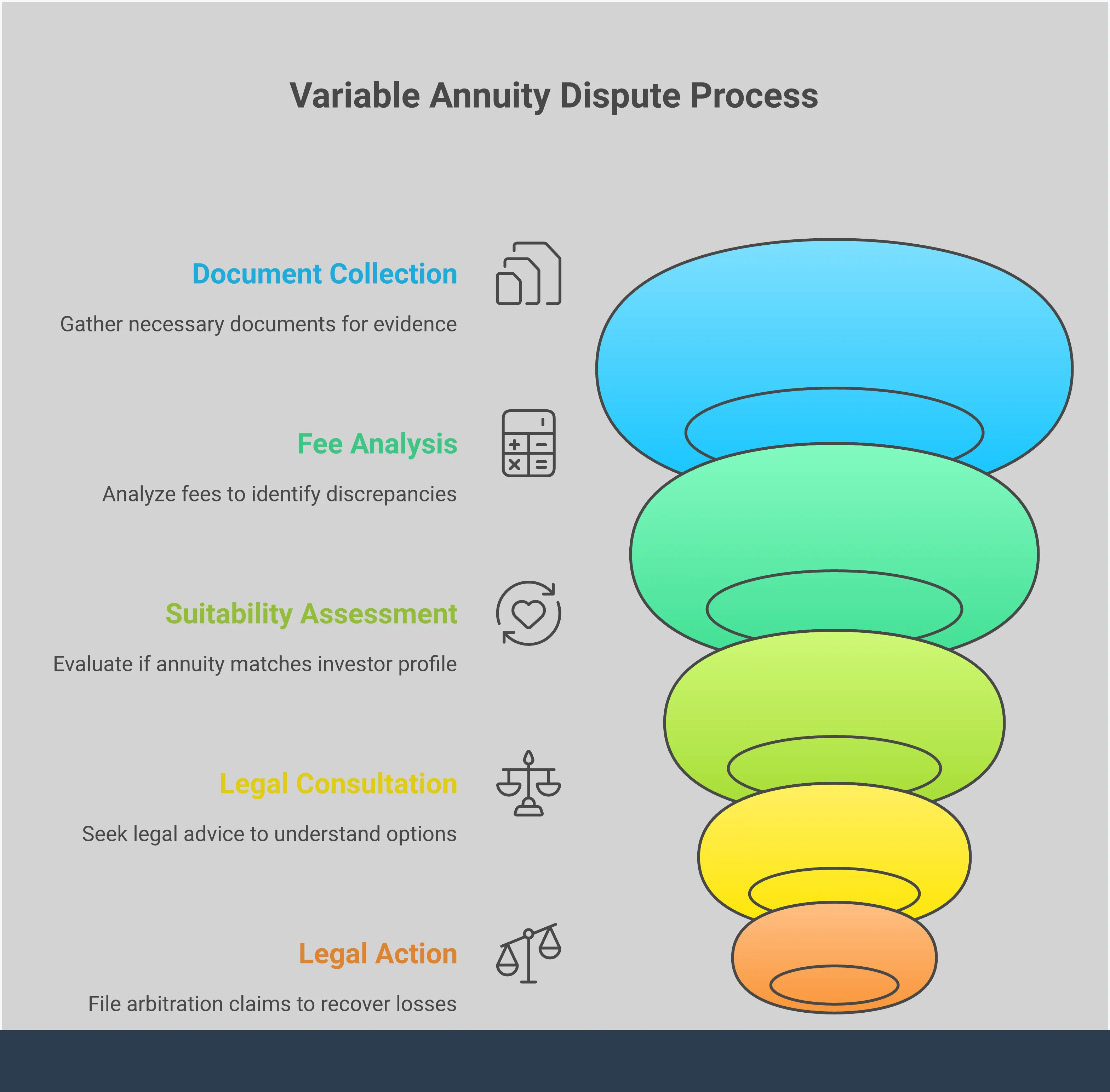
Taking the first step to file a claim against a broker or financial firm can feel intimidating, but you don’t have to go through it alone. Understanding the process can demystify the experience and empower you to move forward with confidence. The journey typically involves a few key stages, starting with an initial meeting to discuss your situation, followed by a careful collection of all relevant documents. From there, your case will likely proceed through a specialized resolution process, and finally, you’ll gain clarity on what a potential recovery could look like.
Most disputes involving broker fraud and negligence are not resolved in a traditional courtroom. Instead, they are handled through a process designed to be more efficient and focused on the specific rules of the investment industry. This path is structured to help investors seek justice without the lengthy and often complex procedures of civil court. Knowing what to expect at each turn can help you feel more in control. If you believe you have a claim, the best thing you can do is contact a lawyer to discuss the specifics of your case and get personalized guidance on your next steps.
Your Initial Consultation
Your first meeting with an attorney is a chance for you to share your story and for the legal team to evaluate your case. Many securities law firms offer a free initial consultation, so you can get a professional opinion without any financial commitment. During this meeting, the attorney will listen to what happened, review any documents you bring, and ask questions to understand the full picture. This is your opportunity to determine if the firm is the right fit for you. Come prepared to discuss the timeline of your investment and any conversations you had with your advisor. The goal is to leave with a clear understanding of your legal options and whether you have a strong claim.
Gathering the Right Documents
Building a solid case starts with solid evidence. Your attorney will need specific documents to prove what happened with your variable annuity. This includes your original annuity contract, all account statements, prospectuses, and any written correspondence you had with your broker, like emails or letters. If you took notes during meetings, those can be incredibly helpful, too. Don’t worry if you don’t have everything; your lawyer can help you request missing paperwork. These documents create a factual timeline and are crucial for demonstrating how you were misled or given unsuitable advice about your investment issues. The more organized your records are, the stronger your case will be from the start.
The FINRA Arbitration Process Explained
When you have a dispute with a brokerage firm, your case will most likely be resolved through the Financial Industry Regulatory Authority (FINRA) arbitration process. This isn’t like the courtroom scenes you see on TV. Instead of a judge and jury, your case is heard by one or more impartial arbitrators who have experience in the securities industry. Securities arbitration is designed to be a faster, more efficient, and less formal way to handle these specific types of conflicts. The entire process is private and confidential, and the arbitrator’s decision is typically final and binding. This specialized forum ensures your claim is reviewed by people who understand the complex rules governing investments.
Exploring Alternative Resolutions
While FINRA arbitration is the primary alternative to a traditional lawsuit, it’s important to know that not every case goes to a final hearing. Often, a resolution can be reached through settlement negotiations before the arbitration hearing even begins. Your attorney will represent your interests during these discussions, aiming to secure a fair settlement that compensates you for your losses. Because arbitration is generally quicker and less expensive than court, both sides are often motivated to find common ground. This streamlined approach allows you to find a resolution and move forward without the stress and uncertainty of a prolonged legal battle, providing a more direct path to recovering your funds.
Understanding Potential Recovery
One of the biggest concerns for anyone filing a claim is the cost. Most securities fraud attorneys work on a contingency fee basis, which means you don’t pay any attorney’s fees unless they successfully recover money for you. If your case is successful, the firm’s fee is a percentage of the total amount recovered, which typically ranges from 33% to 40%. This arrangement ensures your lawyer is just as motivated as you are to achieve the best possible outcome. It also means you can pursue justice without needing to pay for legal help out of pocket. Your attorney will explain their specific fee structure in your initial consultation, so you’ll have complete transparency from day one.
How to Choose the Right Lawyer for Your Case
Finding the right lawyer can feel like a monumental task, especially when you’re already dealing with the stress of a potential investment loss. But this is one of the most important decisions you’ll make for your financial future. You need a legal partner who not only understands the law but also understands what you’re going through. The goal is to find a firm that makes you feel confident and supported from the very first conversation. Think of this process as an interview where you are in control. You’re looking for someone with the right skills, a transparent process, and a genuine commitment to helping you. Taking the time to carefully select your legal representation is a critical first step toward holding the right people accountable and working to recover your hard-earned money.
Look for Relevant Experience
When your financial security is on the line, you don’t want a general practitioner. You need a lawyer who lives and breathes securities law. Variable annuity cases are complex, involving intricate contracts and specific industry regulations. A lawyer who focuses on investment issues will already be familiar with the tactics brokers use and the arguments that hold up in arbitration. They can spot the red flags in your annuity contract and build a case that anticipates the other side’s moves. Ask potential attorneys about their specific experience with variable annuity disputes and cases involving broker misconduct. Their answer will tell you a lot about their ability to handle your claim effectively.
Clarify the Fee Structure
Let’s talk about money, because it matters. The good news is that most securities fraud attorneys work on a contingency fee basis. This means you don’t pay them anything upfront, and they only collect a fee if they successfully recover money for you. This arrangement aligns their interests with yours—they win when you win. Typically, this fee is a percentage of the final settlement or award, often between 33% and 40%. During your initial consultation, be sure to ask for a clear explanation of the fee structure. You should also inquire about any other potential costs, such as filing fees or expert witness expenses, so there are no surprises down the road.
Set Communication Expectations
Feeling left in the dark about your own case is frustrating. That’s why establishing clear communication expectations from the start is so important. A good attorney-client relationship is built on trust and transparency. During your initial meeting, ask how the firm handles client communication. Will you have a direct line to your attorney? Who is your main point of contact? How often can you expect to receive updates on your case? You should feel comfortable with their communication style and confident that you’ll be kept in the loop. Your peace of mind is a priority, and a responsive legal team will respect that.
Key Questions to Ask Before You Hire
Your initial consultation is your opportunity to interview a potential lawyer and decide if they’re the right fit. Don’t be afraid to come prepared with a list of questions. This shows you’re serious about your case and helps you make an informed decision.
Consider asking the following:
- Have you handled variable annuity cases similar to mine before?
- What is your experience with the FINRA arbitration process?
- Based on what you’ve heard, what are the potential strengths and weaknesses of my case?
- Can you walk me through the steps you’ll take if I hire your firm?
- What information will you need from me to get started?
Evaluate Their Track Record
While past results don’t guarantee a future outcome, a lawyer’s track record can give you a sense of their experience and dedication. Look for a firm with a history of standing up for investors and handling cases of broker fraud and negligence. You can often find this information through client testimonials, case results, and professional recognitions on their website. A firm that is proud of its work will be transparent about its history. Don’t hesitate to ask about their success in disputes similar to yours. You are entrusting them with your financial recovery, and you deserve to feel confident in their ability to represent your interests.
Steps to Protect Your Investment Rights
When you suspect something is wrong with your investments, it’s easy to feel overwhelmed and unsure of what to do next. Taking clear, deliberate action can help you regain a sense of control and protect your financial future. It’s not just about reacting to a problem; it’s about methodically preparing to defend your rights. By documenting everything, understanding the rules, and building a solid foundation for a potential claim, you put yourself in a much stronger position. These steps are your roadmap to holding financial professionals accountable and seeking the recovery you deserve. Whether you’re just starting to notice red flags or are certain you’ve been wronged, following a structured approach will make all the difference.
Keep Detailed Records
Your first and most important task is to gather and organize every piece of paper and digital communication related to your investment. Think of yourself as a detective building a case file. This includes account statements, contracts, prospectuses, emails, and even handwritten notes from meetings or phone calls with your advisor. Having thorough documentation is critical, as an attorney can use it to review your annuity contract terms and ensure they were represented accurately. These records create a timeline and provide concrete evidence of what was promised versus what was delivered. Don’t dismiss any detail as too small; a single email or note could become a key piece of your claim. A well-organized file is the foundation for addressing any investment issues.
Know the Time Limits to File
It’s crucial to understand that you don’t have an unlimited amount of time to take action. Strict deadlines, known as statutes of limitation, govern how long you have to file a claim for investment fraud or negligence. If you miss this window, you could lose your right to recover your losses forever. Many disputes involving variable annuities and other brokerage products are resolved through securities arbitration with the Financial Industry Regulatory Authority (FINRA), which has its own specific timelines. Because these deadlines can be complex and vary based on your situation, it’s important to act quickly once you suspect a problem. Don’t wait, assuming you have plenty of time—the clock is likely already ticking.
Understand Your State and Federal Protections
You are not alone in this process. A web of state and federal regulations exists specifically to protect investors from misconduct. For example, states like Georgia have detailed rules governing the sale of complex products like variable annuities. These laws set standards for how financial products can be sold and what information must be disclosed to you. Familiarizing yourself with these protections helps you understand your rights and identify when they may have been violated. An attorney can help you determine how these regulations apply to your specific case of potential broker fraud and negligence, giving you a clearer picture of the standards your advisor was required to meet.
How to Build a Strong Case
A strong case is built on clear evidence of misconduct. This often involves identifying recurring patterns of wrongdoing, such as misrepresentation or the recommendation of unsuitable investments. Did your advisor downplay the risks of a variable annuity? Were you promised guaranteed returns that never materialized? Did they fail to consider your age, financial situation, or risk tolerance? Answering these questions helps pinpoint the specific actions that led to your losses. Your detailed records are essential here, as they can directly support your claims of misrepresentation or fraud and demonstrate how the advice you received was inappropriate for your needs.
Work Effectively with Your Attorney
Once you decide to seek legal help, your relationship with your attorney becomes a partnership. To make it successful, be prepared to be open and thorough. Provide your lawyer with all the documents you’ve gathered and be completely honest about your situation and your goals. Effective collaboration is key to a successful outcome. Don’t hesitate to ask questions or seek clarification on legal strategies and procedures. Your active participation helps your legal team build the strongest case possible on your behalf. If you believe you’ve been a victim of investment mismanagement, the first step is to contact a law firm for a consultation to discuss your options.
Related Articles
- Variable Annuity Fraud Lawyer | Trusted Annuity Attorneys
- What Advisers Get Wrong About Variable Annuities – The Frankowski Firm
- Variable Annuity Fraud – The Frankowski Firm
- Indexed Annuities Up, Variable Annuities Down In 2016 – The Frankowski Firm
Frequently Asked Questions
Why are variable annuities so often linked to disputes? Variable annuities are complex products that come with high fees and market risk, which isn’t always clearly explained. Their complexity can make it easier for an advisor to downplay the downsides, like steep surrender charges or the potential for loss. Because they also tend to pay high commissions to the people who sell them, there can be an incentive to recommend the product even when it isn’t a good fit for an investor’s financial situation or goals.
What if I don’t have all the original paperwork for my annuity? Don’t let missing documents stop you from seeking help. While it’s great to gather what you can, such as account statements and any correspondence, a securities lawyer can help you obtain the necessary paperwork directly from the financial firm. Your attorney knows exactly what is needed to build a case and can formally request your complete file, including the original contract and other critical records you may no longer have.
Do I have to pay a lawyer upfront to review my case? No, you shouldn’t have to pay anything out of pocket to get a professional opinion on your situation. Most securities law firms that represent investors work on a contingency fee basis. This means they offer a free initial consultation to review your case, and you only pay them a fee if they successfully recover money for you. This approach allows you to pursue a claim without any upfront financial risk.
Why do these claims go to arbitration instead of a regular court? When you open an account with a brokerage firm, the paperwork you sign almost always includes a clause that requires you to resolve any disputes through arbitration. This process, typically handled by the Financial Industry Regulatory Authority (FINRA), is a private and more streamlined alternative to a public court trial. It is designed specifically for resolving conflicts within the securities industry and is heard by impartial arbitrators familiar with investment rules.
How long does it typically take to resolve a variable annuity claim? The timeline can vary quite a bit depending on the complexity of your case and the willingness of the other side to negotiate. Generally, the FINRA arbitration process is designed to be faster than a traditional lawsuit. Many cases are resolved through a settlement in a matter of months, while a case that proceeds to a final hearing can take about a year to a year and a half from the time the claim is filed.