When you invest in an annuity, you’re placing trust in a financial professional and an insurance company to help secure your future. But what happens when that trust is broken? You might find yourself locked into a product with crippling fees or discover you were misled about the risks involved. Facing off against a large corporation can feel like an impossible battle, leaving you feeling powerless. However, you have rights, and there are professionals who can help you defend them. Annuity lawyers work to level the playing field. They act as your advocate, using their knowledge of securities law to challenge deceptive sales tactics, broker negligence, and bad faith practices, giving you a powerful voice in the fight to protect your retirement.
Key Takeaways
- An annuity lawyer protects your rights in financial disputes: They handle complex cases involving broker negligence, unsuitable investments, and bad faith from insurance companies to help you recover your losses.
- Act on warning signs to protect your investments: If you face unfair penalties, suspect your contract was misrepresented, or feel an annuity was a poor fit for you, it is time to seek legal advice.
- Prioritize specialized experience and transparency when hiring an attorney: Look for a lawyer with a background in securities law, a clear communication style, and an upfront fee structure, such as a contingency agreement.
What Does an Annuity Lawyer Do?
If you’re feeling uncertain or concerned about your annuity, you’re not alone. These financial products can be incredibly complex, and when something feels off, it’s hard to know where to turn. An annuity lawyer is a legal professional who focuses on issues related to annuities. Think of them as your advocate, someone who can translate the fine print, stand up for your rights, and help you find a path forward when you’re facing a dispute with a broker or insurance company. Their main goal is to protect your financial interests and work to recover losses caused by negligence or misconduct. From reviewing your initial contract to representing you in legal proceedings, they handle the complicated details so you can focus on your financial security.
Reviewing Your Annuity Contract
Annuity contracts are notoriously dense and filled with legal jargon that can be difficult to understand. A lawyer can carefully review your entire contract to make sure the terms are fair and that what you were sold matches what’s on paper. Annuities are complex investments that aren’t suitable for everyone, and seniors are often targeted with products that don’t align with their financial goals. Your attorney will look for red flags like excessive fees, long surrender periods with high penalties, and any clauses that could put you at a disadvantage. This review gives you a clear picture of your rights and obligations under the contract.
Resolving Disputes
Disagreements with insurance companies or brokerage firms can feel like an uphill battle. An annuity lawyer steps in to manage these disputes for you. Common problems include disagreements over payout amounts, unfair surrender charges, or a company’s failure to honor the terms of the contract. These issues often arise from deceptive sales tactics or an investment that was a poor fit for your needs from the start. A lawyer can communicate directly with the other party, present your case clearly, and negotiate for a fair resolution, taking that weight off your shoulders.
Fighting Fraud and Misrepresentation
Unfortunately, not all financial professionals have your best interests at heart. If you believe you were misled or lied to when you purchased your annuity, a lawyer can help you fight back. This includes situations where a broker misrepresented the risks, guaranteed unrealistic returns, or failed to disclose important information about fees and penalties. An attorney who handles cases of broker fraud and negligence knows how to gather evidence to build a strong case. They can help you pursue recovery for your losses through legal actions like securities arbitration.
Guiding You Through Regulations
The world of annuities is governed by a complex set of state and federal regulations designed to protect investors. However, these rules can be confusing. An annuity lawyer understands this regulatory landscape and can explain how it applies to your situation. They ensure that your case is handled correctly and that your rights are protected every step of the way. Understanding the legal framework surrounding your investment issues helps you make informed decisions. Your lawyer will guide you through the process, explaining your options in plain language so you always know what’s happening.
When Should You Call an Annuity Lawyer?
Annuities are complex financial products, and it’s not always easy to tell if you’re getting a fair deal. While many are legitimate tools for retirement planning, their complexity can also be used to hide unfavorable terms, high fees, and unsuitable conditions. If something about your annuity feels wrong, it probably is. Trusting your gut is the first step.
Recognizing the warning signs can help you protect your financial future. You shouldn’t have to decipher a contract that feels intentionally confusing or accept vague answers about your own money. Specific situations involving your annuity contract, penalties, or the way it was sold to you are clear indicators that it’s time to get a professional legal opinion. An experienced lawyer can help you understand your rights and determine if you have a case for recovering financial losses, especially through processes like securities arbitration.
Disputes Over Your Contract
Your annuity contract is a legally binding agreement, and its terms should be clear and fair. However, disputes often arise when the reality of the annuity doesn’t match what you were promised. You might discover hidden fees, confusing clauses, or terms that heavily favor the insurance company. These issues can include everything from annuity fraud and deceptive sales tactics to being sold an investment that was a completely inappropriate fit for your financial situation. If you’re struggling to make sense of your contract or feel its terms are being misrepresented, a lawyer can help clarify your obligations and fight for the agreement you thought you were making.
Facing Unfair Withdrawal Penalties
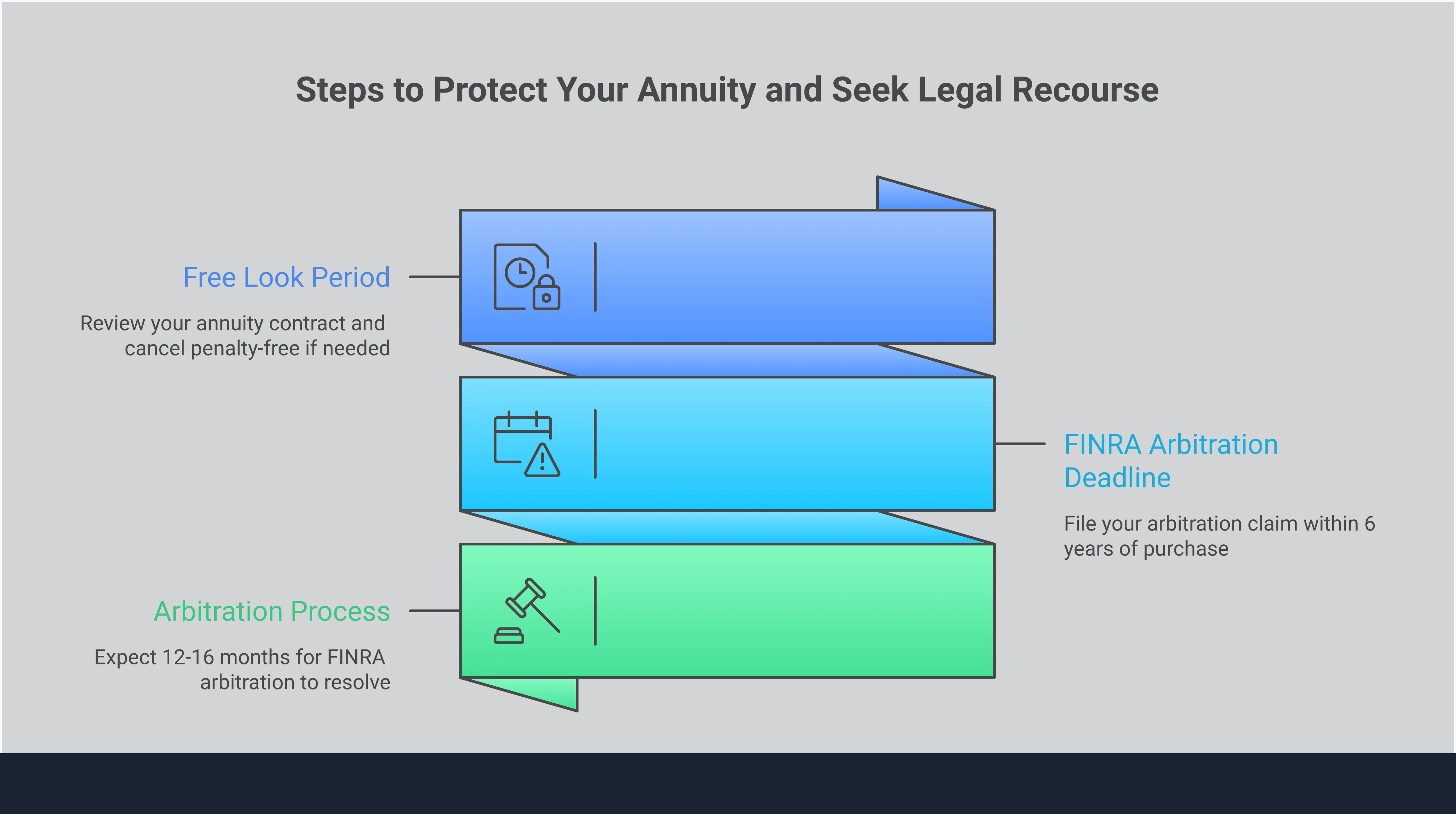
While most annuities come with surrender charges for early withdrawals, these penalties should be clearly disclosed and reasonable. Some investors are shocked to find themselves facing excessive fees that make it nearly impossible to access their own money without taking a major loss. Many contracts include a “free look” period, which allows you to cancel shortly after purchase without a penalty. But if you’re well past that window and are being hit with unfair withdrawal penalties, it’s a significant red flag. A lawyer can review the terms of your annuity and help you challenge penalties that may be predatory or improperly disclosed.
If You Were Sold an Unsuitable Annuity
Annuities are not a one-size-fits-all solution. A broker or financial advisor has a responsibility to recommend products that align with your age, income, risk tolerance, and financial goals. Selling you an annuity that doesn’t fit your needs is a form of broker negligence. For example, a long-term deferred annuity might be unsuitable for an older individual who needs access to their funds sooner rather than later. If you believe you were sold an annuity that doesn’t match your financial objectives or puts your retirement security at risk, it’s time to seek legal advice.
Suspecting Fraud or Deceptive Sales Tactics
High-pressure sales tactics and promises of guaranteed high returns with no risk are major warning signs of annuity fraud. Some agents are motivated by the sizable commissions these products generate and may downplay the risks, fees, and penalties involved. They might mislead you about the liquidity of the product or its performance. This is particularly harmful to seniors, who may be targeted with deceptive practices that threaten their life savings. If you suspect you were a victim of fraud or that the annuity was sold to you under false pretenses, contacting a lawyer is a critical step toward protecting your rights.
Dealing with Bad Faith from an Insurance Company
When you purchase an annuity, you enter into a contract with an insurance company. You have a right to expect them to act in “good faith” and honor the terms of that contract. Unfortunately, that doesn’t always happen. An insurer might be acting in bad faith if they unreasonably delay payments, deny valid claims, or fail to communicate with you properly. You shouldn’t have to fight the company that is supposed to be securing your retirement funds. If you feel your insurance company is giving you the runaround, a lawyer can help hold them accountable. Please contact us to see how we can help.
How to Find the Right Annuity Lawyer
Finding the right lawyer when you’re dealing with a complex annuity issue can feel like a huge task, but it’s a critical step toward protecting your financial interests. The right legal partner will not only understand the specifics of your situation but also guide you through the process with clarity and confidence. Your goal is to find someone who can effectively represent you and help you seek a fair resolution.
This process involves a bit of research and asking the right questions. Think of it as an interview where you are hiring someone for a very important job. You’ll want to look at their background, understand their specific focus, and make sure you feel comfortable working with them. By taking a structured approach, you can find a lawyer who is well-suited to handle your case and advocate for your rights.
Check Legal Directories and Bar Associations
A great place to start your search is with your state’s bar association and reputable online legal directories. These resources are designed to help you find licensed attorneys in your area and verify that they are in good standing. You can often see their practice areas, educational background, and any disciplinary history. By considering factors like their professional background and communication style, you can begin to create a shortlist of potential candidates and make an informed decision that fits your needs.
Look for a Focus in Securities Law
Annuities are complex financial products, and disputes related to them often involve intricate points of securities law. It’s important to find a lawyer who concentrates on this area rather than a general practitioner. A lawyer with a background in securities and investment fraud will understand the specific regulations and sales practices that apply to annuities. It’s always a good idea to look for a lawyer with a history of handling cases similar to yours, as they will be familiar with the challenges you might face.
Read Client Reviews and Check Their Reputation
What former clients have to say can give you valuable insight into what it’s like to work with a lawyer. Look for testimonials or reviews on their website and other independent platforms. Pay attention to comments about their communication, responsiveness, and professionalism. A lawyer’s reputation and sense of trust are incredibly important. This feedback can help you gauge whether an attorney is a good fit for you and if they have a track record of client satisfaction.
Ask About an Initial Consultation
Most reputable lawyers offer an initial consultation to discuss your case. This meeting is your opportunity to ask questions and get a feel for their approach. Come prepared to explain your situation and ask about their experience with similar annuity disputes, their proposed strategy, and their fee structure. This conversation is just as much for you to interview them as it is for them to assess your case. Taking this step can help you find the right fit and may even speed up the process of your case. You can schedule a consultation to get started.
What to Look for in an Annuity Lawyer
Finding the right legal partner is a critical step in protecting your financial future. When you’re searching for an annuity lawyer, you’re not just hiring someone to handle paperwork; you’re looking for a dedicated advocate who will fight for you. The right attorney can make all the difference in the outcome of your case, especially when you’re feeling vulnerable after a potential financial loss. It’s about finding someone who not only understands the law but also understands what you’re going through. This person will be your guide and your champion, so it’s worth taking the time to find a good fit.
To help you make a confident choice, it’s important to focus on a few key qualities that separate a good lawyer from a great one. Think beyond a fancy office or a long list of credentials. You need someone with the right kind of experience, who communicates in a way you can understand, and who operates with complete transparency. A lawyer’s integrity and professionalism are just as important as their legal knowledge. These traits are the foundation of a strong attorney-client relationship and are essential for successfully handling your claim. Below, we’ll break down what each of these qualities means for you and your case.
Experience in Securities Law
Annuities are complex investment products, so your lawyer needs a deep understanding of securities law. General legal knowledge isn’t enough. Look for an attorney with a background in cases similar to yours, as they can effectively handle the unique complexities and protect your interests. This specific focus helps them recognize the tactics brokers might use to sell unsuitable products and build a strong case on your behalf. Their knowledge of investment regulations and the financial industry is a powerful tool in holding the right parties accountable for their actions. A lawyer with this background knows what evidence to look for and how to present it effectively.
Clear Communication and Responsiveness
You deserve a lawyer who keeps you informed and speaks your language. Competent lawyers communicate with their clients often and clearly, taking the time to explain the details of your case without confusing legal jargon. You should feel that your questions are welcome and that you’ll receive timely updates on any developments in your case. A responsive attorney shows that your case is a priority and that they are committed to guiding you through every step of the process. This open line of communication builds trust and ensures you are always aware of where your case stands, empowering you to make informed decisions along the way.
A Transparent Fee Structure
Concerns about cost should not prevent you from seeking justice. It’s important to find an annuity lawyer who offers a transparent fee structure, so you know exactly what to expect from the start. Many securities law firms work on a contingency fee basis, which means you don’t pay attorney fees unless they recover money for you. This approach ensures your lawyer is motivated to achieve a positive outcome for your case. During your initial meeting, don’t hesitate to ask about fees and any other potential costs. A trustworthy attorney will be upfront about their payment structure.
Professionalism and Integrity
When your financial security is on the line, you need an advocate you can trust completely. Strong communication skills, integrity, and professionalism are essential qualities to consider when choosing a lawyer. Your attorney should handle your case with the care and respect it deserves, demonstrating a commitment to high ethical standards. This is especially important when dealing with potential broker fraud and negligence. An attorney with integrity will be honest about your case’s strengths and weaknesses, providing you with straightforward advice so you can set realistic expectations. This transparency is the cornerstone of a reliable and effective legal partnership.
Understanding the Cost of an Annuity Lawyer
When you’re dealing with a potential investment dispute, the last thing you want is another financial burden. It’s completely normal to be concerned about the cost of hiring a lawyer. The good news is that legal fee structures are often more flexible than you might think. Understanding the different ways lawyers charge for their services can help you find the right representation without adding to your stress. Let’s walk through the most common fee arrangements so you know exactly what to expect.
Understanding Contingency Fees
Many people are hesitant to pursue a claim because they can’t afford to pay a lawyer upfront. This is where a contingency fee arrangement can be a huge help. With this model, your attorney’s payment is “contingent” on them winning your case. You don’t pay any legal fees unless you receive a financial settlement or award. If you win, the lawyer receives a pre-agreed-upon percentage of the recovery. This approach is very common in cases involving broker fraud and negligence, as it allows you to seek justice without upfront financial risk. The percentage can vary, but it will always be clearly outlined in your fee agreement from the start.
How Hourly Rates Work
Another common fee structure is the hourly rate. In this arrangement, you pay the law firm for the actual time their legal staff spends working on your case. This can include time spent on phone calls, drafting documents, and conducting research. The rate itself can depend on the lawyer’s experience and the complexity of your legal issue. While less common for cases seeking a large settlement, hourly rates might be used for specific services, like reviewing a contract or providing legal advice on a particular matter. Before agreeing to an hourly arrangement, you should always ask for an estimate of the total hours your case might require.
Watch for Additional Costs
Beyond the lawyer’s direct fees, it’s important to be aware of other potential case-related expenses. These are the operational costs of moving a legal claim forward and can include things like court filing fees, the cost of hiring an expert witness, deposition transcripts, and even postage or travel expenses. These costs are often separate from the attorney’s fee, whether it’s hourly or contingency-based. A transparent lawyer will discuss these potential investment issues and costs with you from the beginning. Always ask for a clear breakdown in your fee agreement so there are no surprises down the road.
Asking About a Free Consultation
Many misconceptions about hiring a lawyer can make people hesitate to even make the first call. One of the biggest is the fear of being charged just for asking a question. That’s why many reputable firms offer a free initial consultation. This is your opportunity to discuss the details of your situation with a legal professional, understand your options, and learn about the firm’s fee structure without any cost or obligation. Taking advantage of this allows you to make an informed decision. If you have concerns about an annuity or investment, don’t let fear of the cost stop you from getting answers. You can contact us to schedule a confidential review of your case.
What Kinds of Cases Do Annuity Lawyers Handle?
Annuity lawyers handle a wide range of legal issues that can arise from these complex financial products. While annuities can be a legitimate part of a retirement plan, they are also frequently associated with problems like high-pressure sales tactics, hidden fees, and misleading promises. When things go wrong, it can feel overwhelming, but an experienced attorney can help you understand your rights and options.
The cases an annuity lawyer takes on often fall into a few key categories. They might involve a dispute with the insurance company that issued the policy, especially if the company isn’t upholding its end of the agreement. Other cases center on the conduct of the financial advisor or broker who sold you the annuity. If they misrepresented the product, failed to disclose important details, or sold you an annuity that wasn’t right for your financial situation, you may have a claim. These disputes are often resolved through a specific legal process, and having a lawyer who understands the system is crucial. From breach of contract to outright fraud, an attorney can help you pursue the compensation you deserve.
Bad Faith Claims Against Insurance Companies
When you purchase an annuity, you enter into a contract with an insurance company. You trust them to act in “good faith,” meaning they will honor the terms of your agreement fairly and honestly. Unfortunately, that doesn’t always happen. A bad faith claim arises when an insurance company fails to uphold its obligations, such as unreasonably delaying payments, refusing to pay a legitimate claim, or using deceptive practices to avoid their responsibilities. An annuity lawyer can help you file a bad faith claim to hold the insurance company accountable for its actions and recover the benefits you are rightfully owed under your contract.
Broker Negligence and Unsuitability
Financial advisors and brokers have a professional duty to recommend investments that are suitable for your specific financial situation, age, and goals. When they fail to do this, it’s considered negligence. A common problem with annuities is unsuitability, where a broker sells a product that doesn’t fit the client’s needs, perhaps by locking their money up for years when they need liquidity. This often goes hand-in-hand with deceptive sales tactics or even outright broker fraud. If you were sold an annuity that was a poor fit for your financial well-being, an attorney can help you build a case for negligence or unsuitability.
Breach of Contract and Misrepresentation
Many annuity disputes stem from a simple fact: the product you received is not what you were promised. This is known as misrepresentation. A broker might have misled you about the annuity’s fees, potential returns, or the penalties for early withdrawal. When the reality of the contract doesn’t match the sales pitch, you may have a case for breach of contract or misrepresentation. An annuity lawyer can carefully review your contract and the marketing materials you were given to identify any discrepancies and fight for your rights if you were misled about these critical investment issues.
Securities Arbitration and Disputes
When you have a dispute with a brokerage firm over the sale or management of an annuity, you usually can’t take them to a traditional court. Instead, these cases are typically resolved through a process called securities arbitration. This is a specialized legal forum with its own set of rules and procedures, overseen by the Financial Industry Regulatory Authority (FINRA). An annuity lawyer with experience in this area can represent you throughout the entire arbitration process, from filing the initial claim to presenting your case before a panel of arbitrators, ensuring your dispute is handled correctly.
What to Expect from the Legal Process
Stepping into the legal world can feel intimidating, especially when you’re already dealing with the stress of a potential investment loss. Knowing what to expect can make the entire experience feel more manageable. While every case has its own unique details, the journey from your initial call to a resolution generally follows a structured path. It starts with sharing your story and ends with fighting for the compensation you deserve. Let’s walk through the key phases of the legal process so you can feel prepared and confident in the steps ahead.
The Initial Case Review
Your journey begins with an initial case review. This is your opportunity to explain what happened in your own words. You’ll discuss the details of your annuity, the advice you received, and why you believe something went wrong. A lawyer will listen carefully, ask questions, and review any documents you have, like your contract or account statements. The goal is to determine if you have a valid claim and what the best course of action might be. This first conversation is crucial for building a strong foundation for your case. You can contact our firm to schedule a free, confidential review of your situation.
Understanding the Timeline and Process
One of the first questions people ask is, “How long will this take?” The truth is, legal matters don’t resolve overnight. The timeline depends on the complexity of your case and the willingness of the other party to cooperate. After the initial review, the process typically involves a thorough investigation, filing a formal claim, and a discovery phase where both sides exchange information. While it requires patience, working with a dedicated attorney can help move your case forward efficiently. Many annuity disputes are resolved through securities arbitration, which is often faster and less formal than a traditional court trial.
Negotiating a Settlement vs. Going to Court
Many people picture a dramatic courtroom battle, but the vast majority of investment disputes are resolved through a negotiated settlement. Your lawyer will act as your advocate, presenting the evidence and arguing on your behalf to recover your losses. A settlement can provide a fair resolution without the time, expense, and uncertainty of a full hearing. This is especially common in cases involving broker fraud and negligence, where financial firms may prefer to resolve the matter privately. If a fair settlement isn’t offered, your attorney will be prepared to take your case to the next level.
What’s Expected of You
Your participation is a key part of a successful case. Your main role is to be open and honest with your attorney. This means providing all relevant documents, answering questions truthfully, and communicating promptly. Keeping organized records of your investments and any correspondence can be incredibly helpful. It’s also important to be proactive. If you suspect something is wrong with your investments, don’t wait for the problem to get worse. Understanding common investment issues can help you spot red flags early. Your lawyer will guide you, but your cooperation and attentiveness are essential throughout the process.
How to Protect Your Investments in the Future
Taking a few proactive steps can make a significant difference in safeguarding your financial future. By staying informed and vigilant, you can better protect yourself from potential pitfalls and make sound decisions for your portfolio.
Know Your Contract Inside and Out
Before you commit to any investment, especially a complex one like an annuity, take the time to understand every detail of the contract. While some annuities have no direct costs, others do, and those fees are often tied to the benefits they provide. Read the fine print, and don’t be afraid to ask questions about anything you find confusing, including fees, surrender charges, and penalties. If a broker or advisor rushes you or dismisses your concerns, that’s a sign to slow down. A clear understanding of your agreement is your first line of defense against future investment issues. Never sign a document until you feel completely confident about what it means for your money.
Spotting Red Flags
Learning to recognize warning signs is key to avoiding trouble. Be wary of high-pressure sales tactics or promises of guaranteed high returns with little to no risk. Remember that sales of certain annuities can generate large commissions for agents, which might motivate them to sell you a product that isn’t in your best interest. Typical problems often involve deceptive sales tactics and investments that are an inappropriate fit for your financial situation and goals. If an investment seems overly complicated or if the person selling it can’t explain it in simple terms, it’s wise to be cautious. Trust your instincts; if something feels off, it probably is. This vigilance can help you avoid instances of broker fraud and negligence.
Keep Good Records
Diligent record-keeping is one of the most powerful habits an investor can develop. Keep a dedicated file, either physical or digital, for all your investment-related documents. This includes account statements, trade confirmations, prospectuses, and any correspondence with your broker or financial advisor, such as emails and notes from phone calls. Having this information organized and accessible makes it easier to track your portfolio’s performance and hold your advisors accountable. Should a dispute ever arise, this documentation will be invaluable. A complete record provides clear evidence and helps you make informed decisions if you need to seek legal support.
Don’t Wait to Ask for Help
If you suspect something is wrong with your investment or you feel you’ve been misled, don’t hesitate to seek advice. Many people wait, hoping the problem will resolve itself, but this delay can often make matters worse and may even affect your legal options. Consulting with a legal professional doesn’t automatically mean you’re headed to court; it’s about understanding your rights and options. In fact, getting help early on can sometimes speed up the resolution process. Taking action quickly shows that you are serious about protecting your assets. If you have concerns, it’s always better to contact a law firm for guidance sooner rather than later.
Related Articles
- 5 Signs You Need a Variable Annuity Lawyer
- 5 Signs You Need a Georgia Variable Annuity Lawyer
- Variable Annuity Fraud Lawyer | Trusted Annuity Attorneys
- How a Variable Annuity Fraud Lawyer Can Protect Your Investments
Frequently Asked Questions
I’m worried about the cost of hiring a lawyer, especially since I’ve already lost money. How does that work? This is a completely valid concern, and it’s one of the biggest reasons people hesitate to get help. Many securities law firms handle annuity cases on a contingency fee basis. This means you don’t pay any attorney fees upfront. The law firm only gets paid if they successfully recover money for you, and their fee is a pre-agreed percentage of that recovery. This structure ensures your legal team is motivated to get a positive result for you without adding to your financial strain.
What if I signed the annuity contract? Can I still take legal action if I was misled? Yes, absolutely. Signing a contract does not give a broker or insurance company a free pass to misrepresent the product or sell you something that isn’t right for you. Many legal claims are based on the fact that the terms were not properly explained or that the investment itself was unsuitable for your financial situation. The core of the issue is often the deceptive sales tactics used to get you to sign, which can be grounds for a valid claim.
How do I know if my annuity was ‘unsuitable’ for me? An unsuitable annuity is one that doesn’t align with your financial needs, goals, or risk tolerance. For example, if you are retired and need access to your money, a long-term annuity with high surrender penalties would likely be unsuitable. A broker has a responsibility to understand your complete financial picture before recommending a product. If you were sold an annuity that locks up your funds when you need liquidity or exposes you to risks you weren’t comfortable with, it may have been an unsuitable sale.
What is the first step I should take if I think there’s a problem with my annuity? The first step is to gather all the documents related to your annuity, including the contract, account statements, and any emails or notes from conversations with your broker. Then, schedule a consultation with a law firm that focuses on securities law. This initial meeting is typically free and confidential. It gives you a chance to share your story and have a professional review your situation to see if you have a potential case.
Will I have to go to court if I file a claim? It’s very unlikely that you will have to go to a traditional court. Most disputes between investors and brokerage firms are resolved through a process called securities arbitration, which is handled by the Financial Industry Regulatory Authority (FINRA). This process is generally faster and less formal than a court trial. Furthermore, many cases are settled through negotiation before an arbitration hearing even takes place.