
+1-888-741-7503
NO FEES UNTIL WE WIN
FREE CONSULTATION
NO FEES UNTIL WE WIN
FREE CONSULTATION
Have you ever looked at your investment statements and felt a sinking feeling that something isn’t right? Maybe the investments seem far riskier than you discussed, or the losses are piling up without a clear explanation. This instinct often means it’s time to take a closer look at your broker’s conduct and their professional history. The regulatory actions taken against former Centaurus Financial Broker Bryon Martinsen show why this scrutiny is so vital. Facing a 15-month suspension and multiple customer complaints tied to high-risk products, his case is an important lesson for investors who suspect their trust has been misplaced and are now searching for answers.
Bryon Martinsen is a financial broker whose name has become associated with significant investor alerts. Formerly registered with Centaurus Financial, Inc. in Kings Park, New York, his professional history is marked by serious regulatory actions and numerous customer complaints. Understanding a broker’s background is a critical step in protecting your financial future. When an advisor’s record includes suspensions, fines, and a pattern of questionable recommendations, it raises serious red flags for anyone who has entrusted them with their savings.
The issues surrounding Martinsen aren’t isolated incidents but point to a history of alleged misconduct that has resulted in real financial harm to clients. From recommending high-risk, unsuitable investments to engaging in transactions without his firm’s knowledge, the allegations paint a troubling picture. For investors, learning about these actions is the first step toward understanding if their own losses might be connected to similar broker fraud and negligence. This information is vital, whether you are a current or former client, as it provides context for the challenges you may be facing with your portfolio.
Bryon Martinsen operated as a financial broker under the banner of Centaurus Financial, Inc., out of Kings Park, New York. While many advisors build their careers on trust and sound financial guidance, Martinsen’s record tells a different story. His career is punctuated by serious regulatory sanctions and a trail of customer disputes that question his professional conduct. For investors, a broker’s history is a key indicator of their reliability. When that history includes multiple red flags, it’s important to pay close attention to how their actions may have impacted your own financial well-being and investment accounts.
A look back at Bryon Martinsen’s career reveals early warning signs. In 1999, he was terminated from a previous firm for allegedly engaging in outside business activities without disclosing them to his employer. This type of action, often referred to as “selling away,” is a serious violation of industry rules. It suggests a willingness to operate outside of established compliance and supervisory structures. For an investor, this is a significant concern because it means a broker might be recommending unvetted, high-risk products that the firm itself would not approve, leaving your investments unprotected and vulnerable to potential fraud.
More recently, Bryon Martinsen faced significant disciplinary action from the Financial Industry Regulatory Authority (FINRA), the organization that oversees brokers. FINRA suspended Martinsen for 15 months, a period running from August 2022 to December 2023, and imposed a $10,000 fine. The suspension was not for a minor infraction; it stemmed from allegations that he recommended unsuitable, high-risk investments and engaged in private securities transactions without his firm’s approval. When a regulator like FINRA takes such a step, it confirms that the broker’s conduct fell far below the industry’s ethical and legal standards, often leading affected investors to pursue securities arbitration to recover their losses.
When you trust a financial advisor with your money, you expect them to act in your best interest. Unfortunately, that doesn’t always happen. The allegations against Bryon Martinsen paint a picture of a broker who may have prioritized his own gains over his clients’ financial well-being. These claims, filed by customers and investigated by regulators, highlight several serious concerns about his conduct and investment strategies. Understanding these specific allegations is the first step for any investor who may have been affected.
A broker’s disciplinary record can tell you a lot. In Bryon Martinsen’s case, his history includes at least 11 customer complaints. A significant number of these complaints are tied to his recommendations of real estate and private investments, which are often complex and carry higher risks than traditional stocks and bonds. When multiple clients report similar issues with the same types of investments, it can indicate a pattern of misconduct. This history of complaints suggests that concerns about Martinsen’s practices have been raised by investors over a period of time.
One of the core duties of a financial advisor is to recommend investments that are suitable for their client’s age, financial situation, and risk tolerance. Martinsen was suspended by FINRA partly because he allegedly recommended risky investments to clients that didn’t align with their needs. This type of behavior is a form of broker fraud and negligence. Recommending high-risk private deals or volatile securities to a conservative investor, for example, can expose them to devastating losses. These allegations suggest a failure to perform the basic due diligence required to protect his clients’ assets.
Brokers are required to conduct all securities business through their employing firm. When they sell investments that haven’t been approved by their company, it’s known as “selling away.” Martinsen is accused of selling approximately $1.1 million worth of investments that were not approved by his firm, Centaurus Financial. This is a serious violation of industry rules because it sidesteps the firm’s supervisory procedures, which are in place to protect investors from potentially fraudulent or overly risky ventures. These unapproved transactions can leave investors with little recourse when things go wrong.
While not explicitly labeled as “churning” in every complaint, the pattern of activity can raise red flags for this type of misconduct. Churning happens when a broker buys and sells securities in a client’s account excessively, just to generate commissions for themselves. This activity rarely benefits the client and can erode their principal investment through constant fees and transaction costs. These are serious investment issues that can significantly harm your portfolio’s performance over time. The focus shifts from growing your wealth to generating income for the broker, a clear conflict of interest.
When a broker violates industry rules, the Financial Industry Regulatory Authority (FINRA) can step in to take disciplinary action. These actions are meant to protect investors and hold financial professionals accountable for their conduct. In the case of Bryon Martinsen, FINRA determined that his actions warranted serious penalties, including a lengthy suspension from the industry and a significant fine. These measures are not taken lightly and signal the severity of the allegations against him. For investors who have worked with a broker facing such sanctions, understanding these actions is a critical step in figuring out what happened to their money and what they can do about it.
FINRA suspended Bryon Martinsen for 15 months, a period that ran from August 2022 to December 2023. A suspension is a serious disciplinary measure that prohibits an individual from acting as a broker or associating with any FINRA-member firm. This action effectively removed him from the industry for the duration of the suspension. For investors, a broker’s suspension is a major red flag. It indicates that a regulatory body found substantial evidence of misconduct that put clients at risk and shows that the broker failed to adhere to the industry’s standards of professional conduct.
In addition to the suspension, FINRA ordered Martinsen to pay a $10,000 fine. This monetary penalty was imposed as a direct consequence of his actions. Fines are a common tool used by regulators to penalize brokers for rule violations and to deter future misconduct. It’s important for investors to understand that while the fine is paid to FINRA, it does not directly compensate those who suffered losses. Recovering your personal investment losses is a separate process that often requires taking legal action through securities arbitration. The fine, coupled with the suspension, underscores the gravity of FINRA’s findings.
The FINRA sanctions were not an isolated incident. Bryon Martinsen’s record reveals a troubling history of regulatory problems and customer complaints. He has accumulated at least 11 customer complaints, many of which are related to high-risk real estate and private investments. This history, which includes a prior termination from another firm, suggests a pattern of disregarding industry rules and client interests. When a broker has a long history of complaints and disciplinary actions, it can point to a potential pattern of broker fraud and negligence. This kind of track record is critical information for any investor who has worked with the broker and experienced unexpected losses.
When investors suffer losses, the story often begins with the specific products their broker recommended. In Bryon Martinsen’s case, customer complaints and regulatory actions point to a pattern of promoting investments that were ill-suited for his clients’ needs. These weren’t just poor market performers; they were fundamentally inappropriate recommendations that exposed investors to serious risk.
The financial products at the center of these allegations include a high-risk real estate investment trust (REIT) and private placements sold without his firm’s approval. Each of these actions represents a significant departure from the standards of care that brokers are required to uphold. Understanding these specific failures can help you identify if you’ve been exposed to similar investment issues and what steps you can take to protect your financial future.
One of the key investments linked to client complaints against Martinsen is “The Parking REIT.” Many investors were allegedly sold this product without a full understanding of its significant risks. A REIT, or Real Estate Investment Trust, allows individuals to invest in a portfolio of properties. While some are stable, others, like The Parking REIT, can be highly speculative and illiquid, meaning you can’t easily sell your shares. This particular REIT reportedly stopped paying dividends to its investors and experienced a substantial loss in value, causing direct financial harm to those who were told it was a suitable investment for their portfolio.
According to FINRA’s findings, Martinsen engaged in private securities transactions totaling approximately $1.1 million without getting approval from his employer, Centaurus Financial. This practice, known as “selling away,” is a serious violation of industry rules. When a broker sells unapproved products, they are operating outside of their firm’s supervision. This bypasses the critical due diligence process that brokerage firms are required to perform to vet investments for legitimacy and suitability. Investors are left holding products that the firm never would have approved, exposing them to heightened risks of fraud or complete loss without the firm’s oversight.
Beyond any single product, the allegations point to a broader pattern of recommending high-risk investments that didn’t match his clients’ financial goals or risk tolerance. Financial advisors have a fundamental obligation to know their customers and recommend products that are appropriate for them. Pushing speculative or illiquid investments on individuals who have a conservative financial profile is a classic example of broker negligence. Brokerage firms also have a duty to supervise their representatives to prevent this kind of misconduct. When they fail to do so, they can also be held responsible for the resulting client losses.
Discovering that your investment portfolio has taken a significant hit can be incredibly stressful, especially when you suspect your broker’s actions are to blame. If you’ve worked with Bryon Martinsen and believe his recommendations led to financial harm, it’s important to know that you have options. Taking a few specific, organized steps can make a major difference in your ability to hold a broker accountable and potentially recover your losses. The process starts with gathering your information and understanding the proper channels for action.
Your first move should be to gather every piece of paper and digital record related to your investments. This includes account statements, trade confirmations, contracts, and any emails or notes from conversations you had with your broker. Many of the complaints against Mr. Martinsen involve claims that he recommended investments that were far too risky for his clients’ financial goals. Having clear documentation of your transactions and communications is the foundation for building a strong case and addressing these types of investment issues. A detailed paper trail helps establish exactly what happened and when.
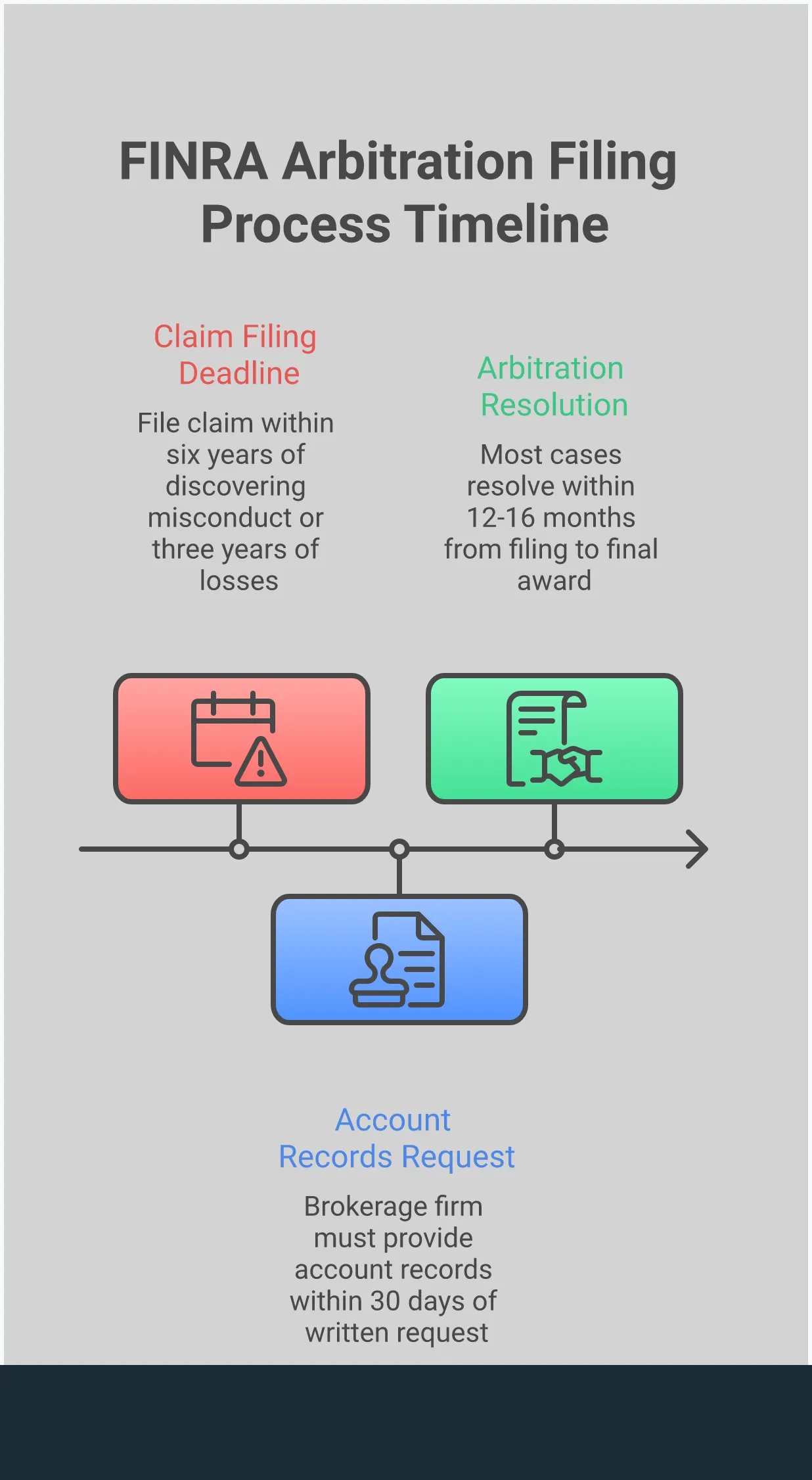
The Financial Industry Regulatory Authority (FINRA) is the organization responsible for regulating brokerage firms and their brokers in the United States. Filing a formal complaint with FINRA is a critical step. This action can initiate an official investigation into a broker’s conduct and adds to their public disciplinary record. FINRA has specific rules in place to protect investors from misconduct like unsuitable recommendations or unapproved private deals. By reporting your experience, you not only take a step toward seeking justice for yourself but also help protect other investors from potential broker fraud and negligence.
If you’ve lost money because of investments recommended by Bryon Martinsen or Centaurus Financial, it’s wise to understand your legal options for recovery. Speaking with an attorney who focuses on securities law can provide clarity on your rights and the best path forward. Many investor claims are resolved through a process called securities arbitration, which is a formal way to dispute investment-related misconduct outside of a traditional courtroom. A legal professional can review your documentation, explain the process, and represent your interests. To understand what your specific options are, you can contact us for a confidential consultation.
Taking charge of your financial future means being an active and informed participant in your investments. While you rely on financial professionals for their guidance, it’s essential to know how to protect your assets from potential misconduct. Understanding the warning signs and knowing your rights can make all the difference. It’s not about being distrustful; it’s about being diligent. A few proactive steps can help you identify red flags before they become serious problems.
When you work with a broker, you are placing a significant amount of trust in their hands. Unfortunately, not all brokers prioritize their clients’ best interests. Issues like broker fraud and negligence can lead to devastating financial losses. By equipping yourself with the right information, you can better safeguard your portfolio and make confident decisions. This involves doing your own research, asking pointed questions, and never feeling pressured to make an investment that doesn’t feel right for you. Think of it as your first line of defense in protecting your hard-earned money.
One of the most common forms of broker misconduct involves unsuitable investment recommendations. Financial professionals have a duty to recommend products that align with your specific financial situation, investment goals, and tolerance for risk. If a broker pushes you toward an investment that seems overly risky or doesn’t match the objectives you’ve discussed, that’s a major warning sign. For example, a high-risk private placement might be inappropriate for a retiree who depends on a stable income. Always trust your gut—if an investment feels wrong, ask for a clear explanation of how it fits into your long-term financial plan and don’t be afraid to say no. These are some of the most common investment issues investors face.
Before you entrust anyone with your money, do a background check. The Financial Industry Regulatory Authority (FINRA) offers a free and easy-to-use tool called BrokerCheck. This database allows you to review the professional history of brokers and brokerage firms. You can see their employment history, licenses, and, most importantly, any past customer complaints, regulatory actions, or disciplinary events. Using BrokerCheck is a simple yet powerful step you can take to vet a potential or current financial advisor. It provides transparency and helps you make a more informed decision about who you choose to work with. A clean record is a good start, but a history of complaints is a clear red flag.
As an investor, you have rights, and regulatory bodies like FINRA have established rules to protect you. These rules are designed to ensure brokers act ethically and in your best interest. They prohibit actions like making unsuitable recommendations, engaging in excessive trading to generate commissions (known as churning), or participating in unapproved private deals. If you suspect that your broker has violated these rules and you’ve suffered financial losses as a result, you have options. You are not expected to face this situation alone. Seeking legal guidance can help you understand the avenues available for recovering your losses, which may include filing a claim through securities arbitration.
I invested with Bryon Martinsen through Centaurus Financial. Is the firm responsible for my losses? Yes, brokerage firms can often be held responsible for the actions of their advisors. The law requires firms like Centaurus Financial to properly supervise their brokers to prevent misconduct. When they fail to do so, and an advisor engages in harmful practices like recommending unsuitable investments or selling unapproved products, the firm itself can be held liable for the resulting client losses through a claim of “failure to supervise.”
What does it mean for an investment to be ‘unsuitable’? An unsuitable investment is one that doesn’t match your specific financial circumstances, goals, or ability to tolerate risk. A core duty of a financial advisor is to understand your personal situation before recommending any product. For example, placing a retiree who needs stable income into a high-risk, illiquid real estate deal would be a classic case of an unsuitable recommendation. The investment might not be bad in a vacuum, but it was completely wrong for that particular investor.
The post mentions ‘selling away.’ What is that, and why is it a problem? “Selling away” is when a broker sells you an investment that has not been vetted or approved by the brokerage firm they work for. This is a serious rule violation because it completely sidesteps the firm’s compliance and due diligence processes. Those procedures are in place to protect you from fraudulent or overly risky investments. When a broker operates outside of that system, you are left without those safeguards.
FINRA fined Bryon Martinsen. Will that money be used to repay investors like me? No, fines paid to regulatory bodies like FINRA are punitive measures against the broker and do not go to the investors who were harmed. Recovering your personal investment losses is a completely separate process. To get your money back, you typically need to file your own legal claim, which is often handled through a process known as securities arbitration.
My broker has a few complaints on their record. Should I be concerned? A pattern of customer complaints is a significant red flag that should not be ignored. While a single, isolated dispute might not tell the whole story, multiple complaints—especially if they relate to similar issues like misrepresentation or unsuitable investments—can indicate a history of misconduct. It suggests that other clients have had serious problems and is a clear signal that you should look closely at your own accounts and consider seeking a second opinion.