
+1-888-741-7503
NO FEES UNTIL WE WIN
FREE CONSULTATION
NO FEES UNTIL WE WIN
FREE CONSULTATION
Discovering trades you never approved or seeing your retirement savings in high-risk investments you don’t understand are serious red flags. These aren’t minor administrative errors; they are potential violations of industry rules that can lead to devastating financial losses. Your broker has a responsibility to manage your account according to your instructions and financial profile. When they fail to do so, you have recourse. The formal process for addressing these issues is FINRA arbitration, a system designed to resolve disputes between investors and brokerage firms. An Alabama FINRA Arbitration Lawyer can help you investigate these warning signs and determine if you have a valid claim for recovering your money.
If you have a dispute with your stockbroker or brokerage firm, you might assume your next step is to file a lawsuit. However, most investor agreements include a clause that requires you to resolve conflicts through a process called arbitration. The Financial Industry Regulatory Authority, or FINRA, runs the largest forum for this process in the United States. Understanding how FINRA arbitration works is the first step toward holding a financial professional accountable and recovering your losses. It’s a formal, structured process that serves as an alternative to traditional court.
Think of FINRA arbitration as a specialized forum for resolving financial disputes. Instead of going before a judge and jury in a public courtroom, your case is presented to a neutral arbitrator or a panel of arbitrators. These individuals hear the evidence from both sides and make a final, binding decision. The entire process is private and designed specifically for disagreements within the securities industry. For investors, it’s the primary path for addressing issues like broker fraud and negligence because brokerage firms are required by FINRA to use arbitration to settle customer disputes.
The FINRA arbitration process follows a series of defined steps. It begins when you, the claimant, file a document called a Statement of Claim. This document outlines what happened and the resolution you are seeking. The brokerage firm, or respondent, then files an Answer. After that, both sides participate in selecting one or three arbitrators to hear the case. You will then enter a discovery phase, where you exchange documents and information relevant to the claim. Before the final hearing, there may be pre-hearing conferences to handle procedural matters. Finally, at the hearing, you and your attorney present your case, and the arbitrators issue a written decision, known as an award.
While both are methods for resolving legal disputes, securities arbitration has key differences from court litigation. The most significant is privacy; arbitration proceedings are confidential, unlike public court records. Arbitration is also typically faster and less formal than a lawsuit, often resolving in months rather than years. The decision-makers are also different. In arbitration, your case is decided by an impartial arbitrator with financial industry knowledge, not a judge or jury. Finally, an arbitrator’s decision is generally final and very difficult to appeal, providing a sense of closure that lengthy court battles often lack.
It can be difficult to know when a bad investment is just a market downturn versus something more serious. However, certain actions by a broker or financial advisor are clear red flags that signal it’s time to seek legal advice. If you’ve lost money and suspect your financial professional acted unethically or illegally, you may have a strong case for a FINRA arbitration claim. Recognizing the signs of misconduct is the first step toward protecting your financial future. Below are some of the most common situations where an experienced securities arbitration lawyer can help you understand your rights and explore your options for recovering your losses.
Losing money because of your broker’s dishonest actions or carelessness is a serious issue. This can include a wide range of misconduct, from outright lies about an investment’s safety to forging documents. Broker fraud and negligence also covers situations where your advisor simply fails to perform their duties with the required level of care, leading to financial harm. If you believe your investment losses are the result of unethical behavior or a lack of professional diligence, it’s a good idea to speak with a lawyer. They can review your case and determine if your broker’s actions give you grounds to file a claim and pursue compensation for the damages you’ve suffered.
Discovering trades in your account that you never approved is an alarming experience. Unauthorized trading happens when a broker buys or sells securities without your direct permission. Unless you have given your broker discretionary authority in writing, which allows them to trade on your behalf, they must get your consent for every single transaction. Regularly reviewing your account statements is key to catching this type of misconduct early. If you see trades you don’t recognize or that go against your instructions, it’s a significant violation of trust and industry rules. This is a clear sign that you should seek legal advice to protect your investment interests.
Your broker has a professional obligation to recommend investments that are a good fit for you. This means they must consider your age, financial situation, risk tolerance, and investment goals before suggesting any product. When a broker pushes you into investments that are too risky or don’t align with your objectives, it’s known as an unsuitable recommendation. For example, putting a retiree on a fixed income into speculative, high-risk stocks would likely be considered unsuitable. If your portfolio is filled with investments that don’t match the profile you discussed with your advisor, you may have a claim. A securities arbitration lawyer can help you hold them accountable.
Churning is when a broker trades excessively in your account primarily to generate commissions for themselves, not to benefit you. While active trading can be a legitimate strategy, churning is an unethical practice where the frequency of trades serves no real investment purpose. It just racks up fees that eat away at your returns. Telltale signs of churning include high transaction costs and a pattern of buying and selling that doesn’t seem to follow a clear strategy. Because it can be difficult to prove, it’s helpful to have a legal professional analyze your account activity. They can identify the patterns that point to broker misconduct and build a case on your behalf.
Brokerage firms have a duty to properly supervise their employees to ensure they follow industry rules and act in their clients’ best interests. When a firm fails to do this, it can lead to brokers engaging in fraudulent or negligent behavior without consequence. This lack of oversight means the firm itself can be held responsible for your losses, not just the individual broker. If you’ve been harmed by a broker’s actions, it’s possible their firm’s supervisory failures allowed it to happen. A FINRA arbitration lawyer can investigate whether the firm neglected its duties, which can be a critical part of your claim. If you suspect this is the case, contact us to discuss the details of your situation.
Finding the right lawyer is one of the most important steps you can take when you’ve suffered investment losses. The attorney you choose will be your guide and advocate through a complex process, so it’s crucial to select someone with the right background and approach. When you start your search, focus on a few key areas to ensure you find a legal partner who can effectively represent your interests and help you work toward recovering your funds.
When you’re dealing with investment disputes, a general practice lawyer won’t do. You need an attorney with a deep background in the specific field of securities law. This area of law is intricate, with its own set of rules and regulations governing the financial industry. A lawyer who specializes in this field understands the nuances of broker fraud and negligence and knows how to build a case against misconduct. They are familiar with the tactics brokerage firms use and can effectively counter them. This specialized experience is fundamental to presenting a strong and persuasive claim on your behalf.
Beyond general knowledge of securities law, your attorney should have direct, hands-on experience with the FINRA arbitration process. Ask potential lawyers about their history with cases like yours. How many FINRA claims have they handled? What were the outcomes? An attorney with a solid track record in securities arbitration is familiar with the arbitrators, the procedures, and the strategies that work within this unique forum. This practical experience can make a significant difference, as they can anticipate challenges and prepare a case designed for the specific environment of a FINRA hearing.
Your case will likely involve complex financial products, from stocks and bonds to annuities and private placements. It is vital that your lawyer understands these products inside and out. This knowledge allows them to demonstrate how a particular investment was unsuitable for you or how a broker misrepresented its risks. A capable attorney can break down complicated investment issues and explain them clearly to an arbitration panel. They should also be well-versed in FINRA’s rules of conduct for brokers, as proving a rule violation is often a key part of winning your case.
The arbitration process can be stressful, and the last thing you need is an attorney who leaves you in the dark. Look for a lawyer who communicates clearly, listens to your concerns, and provides regular updates on your case. You should feel comfortable asking questions and confident that you understand the strategy being used. The initial consultation is a great opportunity to assess this. Does the attorney explain things in a way you can follow? Do they seem genuinely interested in your situation? A strong, open line of communication is the foundation of a good attorney-client relationship, so don’t hesitate to contact a firm to see if they are the right fit.
Filing a FINRA claim can feel like a huge undertaking, but the process is broken down into a series of manageable steps. Think of it as building a case piece by piece. It starts with telling your story and ends with presenting your case to a panel of arbitrators. While the path is structured, the rules and procedures can be complex. This is why working with a legal team is so important. They handle the technical requirements so you can focus on what matters: preparing to share your experience.
The main phases include drafting your initial complaint, officially filing it with FINRA, exchanging information with the opposing side, and preparing for the final hearing. Each step builds on the last, strengthening your position along the way. An attorney experienced in securities arbitration will guide you through every stage, ensuring deadlines are met and your case is presented as clearly and effectively as possible. Let’s walk through what you can expect at each point in the process.
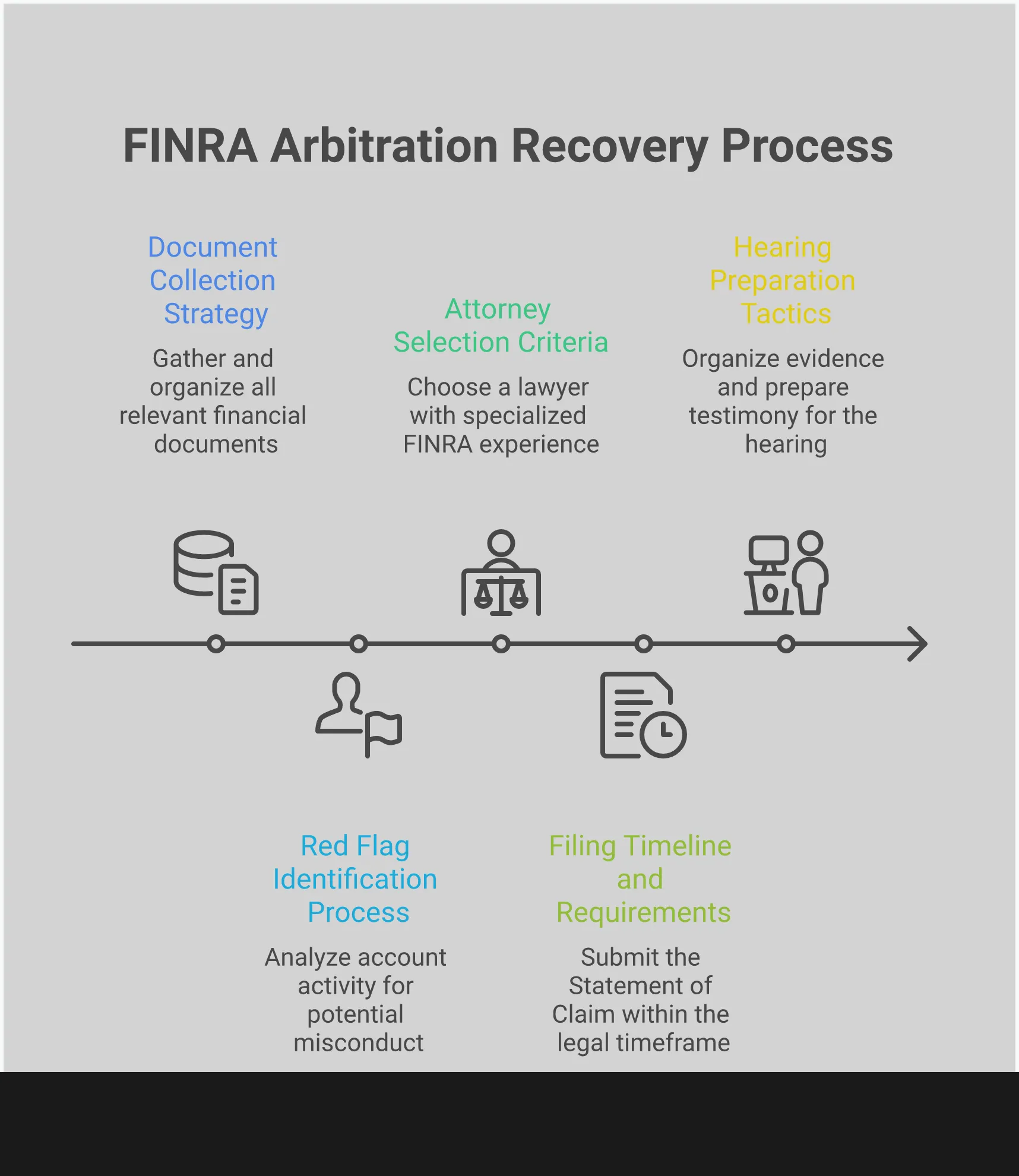
The first official step is to draft and file a Statement of Claim. This document is your formal complaint and the foundation of your entire case. It outlines the facts, explains what the broker or firm did wrong, and details the financial losses you suffered as a result. It’s crucial that this statement is clear, accurate, and persuasive. Working with a securities attorney from the start is key, as they can help you frame the narrative and articulate the legal basis for your claim. They ensure your story is told in a way that resonates with the arbitrators and sets a strong tone for the proceedings.
Once your Statement of Claim is ready, it must be filed through FINRA’s official online portal. This step involves more than just uploading a document. You’ll need to complete submission agreements and pay the required filing fees, which vary based on the amount of damages you are seeking to recover. An attorney manages this entire administrative process for you. They make sure all forms are filled out correctly and that every procedural rule is followed to the letter. This prevents simple administrative errors from delaying or damaging your case, which is especially important when dealing with instances of broker fraud and negligence.
After your claim is filed, the discovery process begins. This is the formal phase where both sides exchange documents and information relevant to the case. Thorough documentation is the backbone of a successful claim. You and your attorney will work together to gather all necessary evidence, such as account statements, trade confirmations, emails, and notes from conversations with your broker. Your lawyer will also request specific documents from the brokerage firm, which can often uncover critical evidence to support your arguments. This process helps build a complete picture of the investment issues and strengthens your position before the hearing.
As the hearing approaches, the focus shifts to strategy. This involves organizing all the evidence gathered during discovery into a compelling narrative. Your attorney will prepare you for the hearing, which includes reviewing your testimony and anticipating questions you might be asked by the opposing counsel and the arbitrators. They will also identify key documents to present and decide which witnesses to call. This diligent preparation is vital for building a solid claim. Maintaining open communication with your lawyer ensures you are both aligned on the strategy for your securities arbitration hearing.
Once you’ve filed a claim, the arbitration process begins. Knowing what’s ahead can help you feel more prepared and in control. While every case is unique, the journey generally follows a set of established steps. It’s a structured process designed to resolve disputes efficiently, but it comes with its own set of rules and realities. Let’s walk through some common questions about the timeline, costs, and outcomes so you know what to expect.
Many investors have misconceptions about what securities arbitration entails. One common myth is that if your broker was clearly in the wrong, you’re guaranteed to get 100% of your money back. While the goal is to recover your losses, arbitrators consider many factors, and the final award can vary. Another misconception is that your private financial details will become public knowledge. Unlike court litigation, securities arbitrations are private proceedings. Your sensitive information is kept confidential, protecting your privacy throughout the process.
FINRA arbitration is generally faster than going to court, but it’s not an instant solution. A typical case can take about a year to 18 months from filing to resolution. Several factors can affect this timeline, including the complexity of your case, any disputes that arise during the discovery phase of gathering evidence, and the schedules of everyone involved. The availability of witnesses and arbitrators can also cause delays. An attorney experienced with these proceedings can help keep your case on track and manage any unexpected hurdles that come up.
Understanding the costs is a major concern for most investors. The process involves filing fees paid to FINRA, and there may be other expenses for things like expert witnesses. Many securities fraud attorneys, including our team at The Frankowski Firm, handle these cases on a contingency fee basis. This means you don’t pay attorney fees unless we recover money for you. The process itself can be challenging, involving detailed documentation and strict deadlines, which is why having professional guidance is so important. You can contact us for a free consultation to discuss the specifics of your situation.
It’s crucial to understand that a FINRA arbitration award is almost always final and binding. Unlike a court verdict, the grounds for an appeal are extremely narrow and rarely successful. This finality is a double-edged sword: it provides a conclusive end to the dispute but also means you have one shot to make your case effectively. This is why preparation is so critical. Building a strong, well-documented claim from the very beginning is essential for addressing the investment issues you’ve faced and achieving a favorable outcome.
Walking into your first meeting with a lawyer can feel intimidating, especially when you’re already dealing with the stress of investment losses. But taking the time to prepare can make a world of difference. It helps you get the most out of the consultation and gives your potential attorney the clear information they need to evaluate your case. Think of this first meeting as a structured conversation where you and the lawyer determine if you’re a good fit for working together.
Being organized shows that you’re serious about your claim and helps the attorney start building a strategy right away. A productive first meeting sets a positive tone for the entire legal process. You’ll walk out feeling more confident and with a clearer understanding of your options. The goal is to transform a complex situation into a series of manageable steps. By gathering your documents, outlining your story, defining your goals, and preparing questions, you take an active role in your own case from day one. This preparation is the foundation for building a strong claim and moving toward a resolution.
Thorough documentation is the backbone of a successful securities arbitration case. Before your meeting, take the time to collect every piece of paper and digital file related to your investments and your broker. This includes account statements, trade confirmations, new account forms, and any marketing materials or prospectuses you received. Don’t forget to gather all correspondence, such as emails, letters, and even your own handwritten notes from phone calls or meetings.
Organizing these materials chronologically can help your attorney quickly understand the history of your account. When you actively gather all relevant documents, you and your lawyer can begin to build a solid claim. This paperwork provides the factual evidence needed to investigate potential broker fraud and negligence and piece together what went wrong.
Documents tell part of the story, but your personal narrative provides the essential context. Before your consultation, write down a detailed timeline of your experience. Start from the beginning: how you met the broker, what you discussed about your financial goals and risk tolerance, and why you trusted them with your money. Note any specific promises or recommendations they made.
Continue the timeline by detailing when you first suspected a problem, what you noticed, and any steps you took to address it. This written account helps you organize your thoughts and ensures you don’t forget crucial details during the meeting. It gives your attorney a clear, coherent story that connects the dots between the documents and the real-world impact on your financial well-being, which is vital for addressing complex investment issues.
Before you meet with an attorney, take a moment to think about what you hope to achieve. The most common goal is to recover the financial losses you suffered. However, you might also be motivated by a desire to hold a broker or firm accountable for their actions. Understanding your primary objectives will help your lawyer tailor their strategy to fit your needs.
It’s also helpful to manage your expectations. The legal process can take time, and outcomes are never guaranteed. Knowing what to expect from the securities arbitration process will help reduce anxiety and increase your confidence as your case progresses. Your attorney can provide a realistic assessment of your case’s potential, but having your own goals in mind creates a strong starting point for that conversation.
Your first consultation is a two-way street. While the attorney is evaluating your case, you should also be evaluating them. Come prepared with a list of questions to help you decide if they are the right fit for you. You might ask about their experience with cases similar to yours, their track record in FINRA arbitration, and their specific knowledge of the financial products involved in your dispute.
Don’t hesitate to ask about their communication style, how they keep clients updated, and how their fee structure works. Inquiring about the potential strengths and weaknesses of your case can also provide valuable insight. A good attorney will welcome your questions and provide clear, straightforward answers. This initial dialogue is the first step in building a relationship based on trust and open communication. When you’re ready, you can contact us to schedule that first conversation.
The primary goal of a FINRA arbitration claim is to help you recover the money you lost due to financial misconduct. If the arbitration panel rules in your favor, you will receive a monetary award. This is a legally binding decision that specifies the amount the broker or firm must pay you. The award is designed to compensate you for your financial losses, and in some cases, it may also include interest and other costs. If your case is successful, the financial advisor will have 30 days to pay the money they owe. This clear timeline helps ensure you receive your funds promptly after a long and often stressful process.
It’s also important to prepare for the possibility that the arbitrators may not rule in your favor. FINRA arbitration awards are final and very difficult to appeal. You can’t simply ask for a do-over because you disagree with the outcome. Courts will only consider vacating an award in very specific and rare circumstances, such as when the arbitration process was clearly biased or the rules were not followed correctly. This is why having a solid strategy from the very beginning is so important. Your initial claim and the evidence you present are your best, and often only, opportunity to make your case.
If you do win your case, you might worry about actually receiving the money. Fortunately, FINRA has a strong enforcement mechanism in place. The broker or firm that owes you money must pay you within 30 days of the decision. If they fail to do so, they face serious consequences, including the suspension of their license. This rule provides a powerful incentive for them to comply with the arbitrators’ decision without delay. Your attorney will manage this process and ensure the award is paid in full and on time, allowing you to finally put the matter behind you.
A successful outcome often depends on the strength of the evidence you present. Thorough documentation is the backbone of any successful FINRA arbitration case. This includes gathering all your account statements, trade confirmations, emails, and any notes you took during conversations with your broker. The more detailed your records, the clearer the picture you can paint for the arbitrators. A securities attorney can help you identify the most critical documents, evaluate the strength of your claim, and represent you throughout the entire process. Understanding the complexities of broker fraud and negligence is key to building a compelling argument for why you deserve compensation.
Is arbitration my only option, or can I sue my broker in court? For most investors, arbitration is the required path. When you open a brokerage account, the agreement you sign almost always includes a clause that requires you to resolve disputes through FINRA arbitration instead of a traditional lawsuit. While this might seem limiting, the process is specifically designed for securities issues, which can be an advantage. It’s a private, structured forum that is typically faster and less formal than court litigation.
How long does the FINRA arbitration process usually take? While it’s generally quicker than a court case, the process isn’t immediate. A typical claim takes about 12 to 18 months from the day you file to the final decision. The exact timeline can change depending on the complexity of your case and the schedules of the arbitrators and other parties involved. An experienced attorney can help keep the process moving forward and manage any delays that might come up.
What if I can’t afford to hire a lawyer right now? This is a very common and understandable concern. Many securities arbitration lawyers, including our firm, work on a contingency fee basis. This means you don’t pay any attorney fees unless we successfully recover money for you. The legal fees are then paid as a percentage of the final award or settlement. This arrangement allows you to pursue your claim without needing to pay for legal representation out of pocket.
What kind of evidence do I need to prove my case? A strong case is built on solid documentation. The most important evidence includes your account statements, trade confirmations, and any written communication you had with your broker, like emails or letters. It’s also helpful to gather any notes you took during phone calls or meetings. These documents create a factual record that can show how your broker’s actions led to your financial losses.
If I win, is it difficult to collect the money I’m awarded? Fortunately, FINRA has strict rules to ensure you get paid. If the arbitration panel issues an award in your favor, the brokerage firm is required to pay you within 30 days. If they fail to comply, they risk having their license suspended, which is a powerful incentive to pay promptly. Your attorney will handle the collection process to make sure you receive the full amount you are owed.