Have you noticed trades on your statement that you never authorized? Or perhaps your broker pushed you into high-risk investments that were completely wrong for your financial situation and goals. These aren’t just minor mistakes; they are serious red flags that may point to broker misconduct or negligence. When these things happen, many investors feel stuck, unsure of what to do next. The FINRA arbitration process was created to address these exact problems. This guide provides a clear roadmap for taking action, explaining how you can hold a firm accountable and why the first step should be consulting with a Florida FINRA arbitration lawyer to evaluate your case.
Key Takeaways
- FINRA Arbitration Decisions Are Final: Unlike most court cases, arbitration awards have very limited appeal options. This finality makes it essential to present a thoroughly prepared case from the very beginning to secure a favorable outcome.
- Level the Playing Field with a Securities Lawyer: Brokerage firms use experienced legal teams to defend their interests. Hiring an attorney who specializes in securities law provides you with a dedicated advocate who understands the complex rules and can effectively counter the firm’s strategies.
- Prioritize Experience and a Contingency Fee Structure: When choosing a lawyer, look for a proven track record in securities arbitration and a firm that works on a contingency fee basis. This ensures your attorney is both qualified and financially motivated to win your case, without you paying fees upfront.
What is FINRA Arbitration in Florida?
If you have a dispute with your stockbroker or investment advisor, you probably won’t be heading to a traditional courtroom. Instead, you’ll likely go through a process called FINRA arbitration. When you opened your brokerage account, you almost certainly signed an agreement that requires you to resolve any conflicts this way. Think of it as a private, mandatory alternative to a public lawsuit, overseen by the Financial Industry Regulatory Authority (FINRA).
This process was designed to handle disagreements specifically within the securities industry. While it can be faster and less formal than court, it has its own set of complex rules and procedures. Understanding how it works is the first step toward holding a negligent broker or firm accountable for your losses. The entire system is a unique forum, and knowing what to expect can make a significant difference in the outcome of your case. Navigating the securities arbitration process is much easier with a clear understanding of the road ahead.
How the Arbitration Process Unfolds
The FINRA arbitration process follows a structured path, though it’s more streamlined than a typical court case. It all starts when you or your attorney file a Statement of Claim, which is a document that outlines what happened and the damages you’re seeking. From there, both sides enter a discovery phase, where you exchange documents and information relevant to the case. This is a crucial step for building your argument.
The process culminates in a final hearing. Here, each side presents an opening statement, calls witnesses, and presents evidence to a panel of one or three arbitrators. After hearing all the arguments, the panel will make a final decision, known as an “award.” The entire journey, from filing the initial claim to receiving a final award, typically takes between 12 and 18 months, though more complex cases can take longer.
Arbitration vs. Court: What’s the Difference?
While both arbitration and court are ways to resolve legal disputes, they have some key differences. FINRA arbitration is generally faster and less expensive than going to court. The rules for presenting evidence are also more relaxed. Instead of a judge and jury, your case is heard by arbitrators who often have direct experience in the securities industry. This can be helpful, as they already understand the complex financial products and industry practices involved.
However, the biggest difference is the finality of the decision. In court, you can usually appeal a verdict you disagree with. In FINRA arbitration, the grounds for appealing an award are extremely narrow. This streamlined nature is a trade-off: you get a quicker resolution, but you give up the right to a lengthy appeals process.
How Long Does It Take and Are Rulings Final?
As mentioned, you can generally expect the FINRA arbitration process to last about 12 to 18 months. This timeline covers everything from the initial filing to the final hearing and the arbitrators’ decision. While this might seem like a long time, it’s often much quicker than the years it can take for a case to work its way through the court system.
The most important thing to understand is that the arbitrators’ decision is final and legally binding. You can’t simply ask for a do-over if you’re unhappy with the outcome. The legal system allows for very few reasons to challenge or overturn an arbitration award, such as clear evidence of fraud or misconduct by the arbitrator. This finality makes it incredibly important to build the strongest possible case from the very beginning.
Common Arbitration Myths, Debunked
Many investors have misconceptions about what to expect from FINRA arbitration. One of the most common myths is that if your broker clearly did something wrong, you’re guaranteed to get 100% of your money back. Unfortunately, that’s not always the case. The amount of recovery depends on many factors, including the specific details of your case and the evidence presented.
Another myth is that you can effectively represent yourself to save money. While it’s technically possible, brokerage firms will have skilled legal teams on their side. Going in alone puts you at a significant disadvantage. An attorney who understands the nuances of investment issues and FINRA rules can provide crucial direction, handle procedural requirements, and build a compelling case on your behalf.
When Do You Need a Florida FINRA Arbitration Lawyer?
Knowing when to seek legal help is key to protecting your investments. While every situation is different, certain red flags are clear signs that it’s time to speak with a securities arbitration lawyer. If you’re facing one of the following issues, you may have a strong case for recovering your losses.
Recovering Losses from Broker Fraud or Unauthorized Trades
Seeing trades you never approved on your account statement is a serious warning sign. This is unauthorized trading, and it’s a direct violation of industry rules. If you believe you’ve been a victim of investment fraud, a securities lawyer can help you initiate the FINRA arbitration process. An attorney can investigate potential broker fraud and negligence and work to recover money wrongfully taken from your account. Taking action is the first step to protecting your financial future.
Addressing Unsuitable Investment Advice
Brokers must recommend investments that are appropriate for your financial goals and risk tolerance. When they push you into products that are too risky or don’t align with your needs, it’s called unsuitable advice. For example, a retiree who needs stable income shouldn’t be in speculative stocks. This misconduct is a valid reason for a FINRA claim. If your portfolio has lost value due to recommendations that never felt right, a lawyer can help you address these unsuitable investment issues and pursue a claim.
Holding Firms Accountable for Negligence
Sometimes the problem is bigger than one broker. Brokerage firms must supervise their advisors to prevent misconduct. If they fail, the firm can be held liable for negligence. Proving this requires an attorney with direct FINRA arbitration experience who understands securities regulations and firm operations. They can build a case showing that a lack of oversight led to your financial harm. This is a critical part of holding firms accountable for broker fraud and negligence.
Fighting Elder Financial Abuse and Exploitation
Older investors are often targets for financial exploitation. Many hesitate to act, believing their losses can’t be recovered, but that’s a misconception. FINRA arbitration is a powerful tool for fighting elder financial abuse. If you or a loved one was pressured into poor investments or had funds taken without consent, it’s important to get legal help. A compassionate lawyer can stand up for your rights and work to reclaim what was lost. Please contact us for a confidential discussion about your situation.
Why Hire a FINRA Arbitration Lawyer in Florida?
When you’ve lost money due to broker misconduct, the thought of taking on a large financial firm can feel daunting. While you have the right to represent yourself in a FINRA arbitration, going it alone puts you at a significant disadvantage. Brokerage firms have teams of experienced lawyers dedicated to defending them. Hiring a lawyer who focuses on securities arbitration isn’t just about having legal representation; it’s about giving yourself a fair chance to recover what you’ve lost. An attorney can handle the complex procedures and legal arguments, allowing you to focus on moving forward. They become your advocate, ensuring your story is heard and your rights are protected every step of the way.
Making Sense of Complex Securities Rules
The world of securities is governed by a dense web of federal laws, state regulations, and FINRA’s own specific rules of conduct. These aren’t things you can learn overnight. A lawyer who specializes in this area already has a deep understanding of the financial industry’s legal landscape. They know precisely what constitutes broker fraud and negligence and can spot violations that you might easily miss. This knowledge is critical for building a strong case. Instead of trying to become an overnight student of securities law, you can rely on a professional who already speaks the language and knows how to use the rules to your advantage.
Leveling the Playing Field Against Brokerage Firms
Walking into arbitration against a brokerage firm without a lawyer is like stepping into a boxing ring with one hand tied behind your back. These companies are well-funded and are represented by skilled attorneys whose primary job is to protect the firm’s bottom line. They know the system inside and out and will use every procedural rule and legal tactic to their advantage. Hiring your own securities arbitration lawyer evens the odds. Your attorney will anticipate the defense’s strategies, handle all communications, and build a compelling case based on evidence and established legal precedent, ensuring the fight is a fair one.
Overcoming Common Hurdles for Investors
Many investors who have been wronged never take action because they feel intimidated by the process or believe common myths about arbitration. You might worry that it will be too complicated, take too long, or that your claim isn’t strong enough. A good lawyer helps you get past these hurdles. They can demystify the securities arbitration process, explaining each step in plain English. They manage the deadlines, file the paperwork, and gather the necessary evidence, removing a tremendous burden from your shoulders. Having a guide you can trust makes the entire experience feel more manageable and less stressful.
How Contingency Fees Make Legal Help Accessible
One of the biggest misconceptions is that you need a lot of money to hire a qualified attorney. Fortunately, most securities arbitration lawyers work on a contingency fee basis. This means you don’t pay any attorney’s fees unless they successfully recover money for you. The law firm covers the upfront costs of building and arguing your case. This arrangement makes high-quality legal help accessible to everyone, regardless of their current financial situation. It also means your lawyer’s interests are directly aligned with yours. They are motivated to secure the best possible outcome because they only get paid if you do. If you’re ready to explore your options, you can contact us for a consultation.
How to Choose the Right Florida FINRA Arbitration Lawyer
Finding the right lawyer can feel like a monumental task, especially when you’re already dealing with the stress of investment losses. But this decision is one of the most important you’ll make. The right legal partner won’t just represent you; they will guide you, advocate for you, and work to make a complex process feel manageable. You need someone who understands the specific challenges of your case and has the background to stand up to large financial firms.
Think of this as building your team. You want a professional who is not only skilled but also someone you can trust to handle your case with the care it deserves. Taking the time to vet your options carefully will give you confidence as you move forward. The goal is to find a firm that aligns with your needs and has a clear history of helping investors in situations just like yours. This isn’t just about legal knowledge; it’s about finding a dedicated advocate who will fight for your financial recovery. When you’re going up against a brokerage firm, they will have a team of experienced lawyers on their side. Your choice of attorney is how you level the playing field. It’s about finding someone who can anticipate the other side’s moves and build a compelling case based on facts and a deep knowledge of the industry’s rules.
Look for a Dedicated Focus on Securities Law
When your financial future is on the line, a general practice lawyer simply won’t do. You need an attorney whose work is centered on securities law and FINRA arbitration. Effective representation requires a deep understanding of complex securities regulations and the inner workings of brokerage firms. An attorney with this specific focus knows the rules, the players, and the strategies that work. They won’t be learning on your case; they’ll be applying years of direct experience to fight for you. This specialized knowledge is critical when facing firms that have their own seasoned legal teams. A dedicated securities arbitration lawyer understands the nuances that can make or break a case.
Ensure They Have the Right Resources and Experts
FINRA arbitration cases are incredibly detailed and labor-intensive. Your attorney’s job is just as involved as preparing a case for a full trial. This means they need a strong support system and access to a network of credible professionals. A well-prepared case often relies on the testimony of outside specialists, like forensic accountants who can trace where your money went or industry veterans who can speak to standard practices. Before you commit, ask what kind of resources the firm has. A law firm with a detailed knowledge of investment issues and the resources to back it up can present a much stronger, evidence-based claim on your behalf.
Prioritize Clear Communication and Transparent Fees
You should feel comfortable with your attorney and confident in their ability to keep you informed. A good lawyer provides clear direction and advice, answering your questions in a way you can understand. They should be accessible and responsive, ensuring you never feel left in the dark about your own case. It’s also important to discuss fees upfront. Many attorneys who represent investors in these matters do so on a contingent fee basis. This means they only get paid if you recover money, which makes quality legal help accessible without adding to your financial burden. Don’t hesitate to contact a firm to discuss their process and fee structure.
Find a Strong Advocate with a History of Results
Ultimately, you want an attorney who knows how to win. Look for a lawyer with a proven track record of successfully representing investors. While past results don’t guarantee a future outcome, they do demonstrate experience and a history of holding firms accountable. Take the time to evaluate an attorney’s background and their strategic approach to cases like yours. You are looking for more than just a legal technician; you need a strong advocate who is prepared to fight for your interests. A history of handling cases involving broker fraud and negligence shows that a lawyer has the specific experience needed to handle these challenging disputes.
What to Expect When You Work With a Lawyer
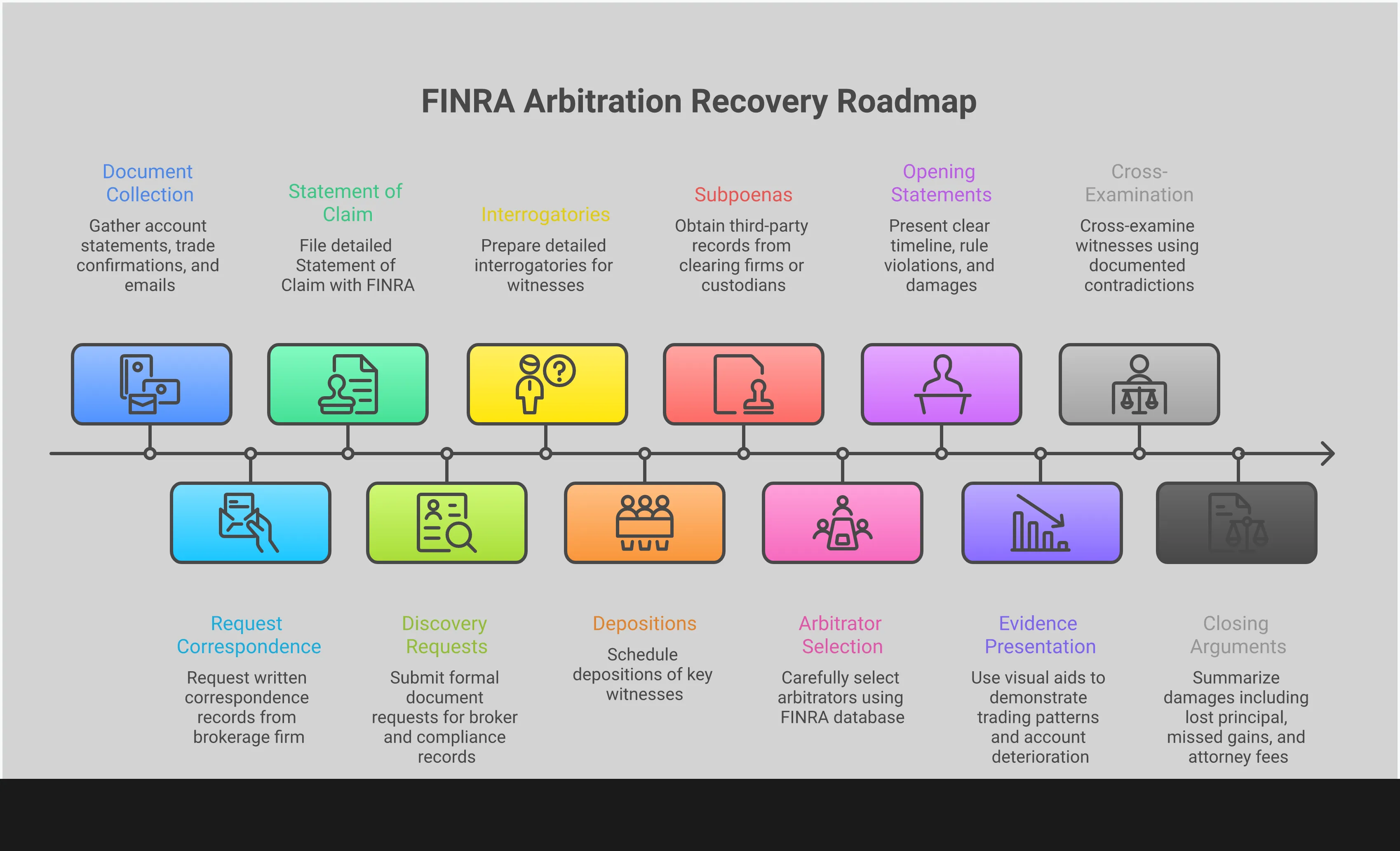
Deciding to take legal action can feel overwhelming, but understanding the process can make it much more manageable. When you partner with a securities lawyer, you have a guide to walk you through each stage, from filing the initial paperwork to presenting your case. It’s more than just legal representation; it’s a partnership built on trust and clear communication. Your attorney’s job is to handle the legal complexities so you can focus on what matters most: sharing your story and working toward a resolution. This journey is designed to be methodical, moving from one distinct phase to the next. It starts with formally documenting your complaint, moves into a period of evidence gathering where both sides share information, and culminates in a hearing where your case is presented to a panel of arbitrators. Throughout this entire process, your lawyer acts as your advocate, strategist, and confidant. They translate complex legal jargon into plain English, prepare you for what’s ahead, and fight to protect your interests. The goal is not just to follow a procedure, but to build a compelling narrative that clearly demonstrates the harm you’ve suffered. The journey involves several key phases, each with a specific purpose in building your case and pursuing the compensation you deserve.
Filing Your Claim and Preparing Your Case
The first step in the process is formally starting your claim. If you believe you’ve been a victim of investment fraud or your account was mishandled, hiring a securities lawyer is the critical move to initiate the FINRA arbitration process. Your attorney will draft a detailed document called the Statement of Claim. This document clearly outlines the facts of your case, explains the misconduct that occurred, and specifies the financial damages you are seeking to recover. This foundational step sets the stage for the entire arbitration, ensuring your arguments are presented clearly and professionally from the very beginning. It’s the official start of your fight for accountability.
Gathering Evidence During the Discovery Phase
A strong case is built on solid evidence. Thorough documentation is the backbone of a successful FINRA arbitration case, which includes gathering all relevant records, communications, and other proof that supports your claims. This stage, known as discovery, involves a formal exchange of information with the brokerage firm. Your lawyer will help you collect everything from account statements and trade confirmations to emails and notes from conversations with your broker. They will also formally request crucial documents from the opposing side, ensuring you have all the necessary information to prove broker fraud and negligence. This phase is all about uncovering the facts and building a powerful foundation for your arguments.
Presenting Your Case to the Arbitration Panel
The arbitration hearing is where your story is heard. A FINRA arbitration hearing begins with each side presenting an opening statement. Unlike a formal court trial, the presentation of evidence is often more streamlined, making it essential to be concise and focused. Your attorney will present your opening statement, introduce the evidence gathered during discovery, and question witnesses on your behalf. They will structure the narrative of your case in a compelling way for the arbitrators. Your role is to provide clear and honest testimony, and your lawyer will prepare you for that, helping you feel confident and ready to share your experience with the panel.
Setting Realistic Expectations for Your Recovery
It’s natural to hope for a full recovery of your losses, but it’s important to approach the process with realistic expectations. One common misconception among investors is that clear misconduct automatically guarantees they will get all their money back. The reality of the arbitration process is that outcomes can vary. The final award depends on many factors, including the strength of your evidence and the panel’s interpretation of the case. A trustworthy attorney will give you an honest assessment of your claim’s strengths and weaknesses and discuss the range of potential outcomes. For a straightforward evaluation of your situation, you can contact us for a consultation.
Related Articles
- FINRA Launches New Investment Protection to Combat Elder Abuse
- FINRA Exams Now Include Elder Financial Abuse Rules
- FINRA Warns Against Using Non-Lawyer Reps in Arbitration
- Selecting a FINRA Arbitration Lawyer: What Investors Need
Frequently Asked Questions
How much does it cost to hire a FINRA arbitration lawyer? Most securities arbitration lawyers, including our firm, work on a contingency fee basis. This means you don’t pay any attorney’s fees upfront. We cover the costs of building and arguing your case, and we only get paid if we successfully recover money for you. This approach ensures that your lawyer’s goals are perfectly aligned with yours and makes quality legal help accessible, even after you’ve suffered financial losses.
Can I handle a FINRA arbitration case on my own? While you technically have the right to represent yourself, it’s a challenging path. Brokerage firms are defended by skilled legal teams who know the system inside and out. Going in alone puts you at a serious disadvantage against their resources and experience. Hiring a lawyer who focuses on securities law helps level the playing field and gives you a fair chance to present your case effectively.
How long does the FINRA arbitration process usually last? From filing the initial claim to receiving a final decision from the arbitrators, the entire process typically takes between 12 and 18 months. While that may sound like a while, it is often significantly faster than a traditional lawsuit, which can take years to move through the court system. The timeline can vary depending on the complexity of your specific case.
Is it guaranteed that I will recover all of my investment losses? No recovery is ever guaranteed. The outcome of any case depends on many factors, including the specific facts, the strength of the evidence, and the arguments presented. A reputable attorney will not promise a specific result but will give you an honest assessment of your case’s strengths and weaknesses. Our goal is always to build the strongest possible claim to pursue the maximum recovery for you.
What if I don’t have all the documents or proof I need? Many people worry they don’t have enough paperwork to build a case, but you don’t have to gather everything on your own. A key part of the arbitration process is called “discovery,” where your lawyer formally requests and obtains crucial documents from the brokerage firm. Your attorney will guide you in collecting what you have and will work to uncover the additional evidence needed to support your claim.