
+1-888-741-7503
NO FEES UNTIL WE WIN
FREE CONSULTATION
NO FEES UNTIL WE WIN
FREE CONSULTATION
If you suspect your broker’s negligence or misconduct caused your investment losses, your first instinct might be to feel stuck. But you can take action right now. The first step is to gather every document you have: account statements, emails, and notes from conversations. The next, and most important, step is to get a clear-eyed assessment of your situation from a professional who understands this specific area of law. Your collection of documents is the raw material, but it takes a specialist to turn it into a compelling legal claim. A Chicago FINRA Arbitration lawyer can review your evidence, explain your options, and outline a clear strategy for pursuing the compensation you deserve.
When you have a dispute with your stockbroker or financial firm, you probably won’t end up in a traditional courtroom. Instead, you’ll likely go through a process called FINRA arbitration. Think of it as a specialized forum for resolving investment-related conflicts. It’s designed to be a more direct and efficient alternative to court, often saving time and money for everyone involved. The Financial Industry Regulatory Authority (FINRA) oversees this process to ensure fairness when investors bring claims against their financial advisors or brokerage firms. This method is the standard for the securities industry, so understanding how it works is the first step toward protecting your financial interests.
The arbitration process follows a structured path. It starts when you, the investor, file a formal complaint called a Statement of Claim. From there, both sides exchange documents and information in a phase known as discovery. The case is then presented to one or more neutral arbitrators, who are not FINRA employees and are required to be impartial. These arbitrators listen to both sides, review the evidence, and make a final, binding decision. This entire system of securities arbitration is designed to be a more streamlined way to resolve disputes without the lengthy procedures of a typical lawsuit.
FINRA arbitration is the required forum for a wide range of investment-related problems. If you believe your broker recommended unsuitable investments, churned your account to generate commissions, or misrepresented a financial product, this is where you would file your claim. It also covers cases of broker fraud and negligence, where a financial professional fails to act in your best interest, leading to significant losses. Essentially, any dispute arising from the business activities of a brokerage firm or its employees can be handled through this process, making it a critical tool for holding financial professionals accountable for their actions.
It’s helpful to have a realistic idea of how long the process can take. While every case is different, many claims are resolved in about a year, especially if the parties reach a settlement before the final hearing. If your case proceeds to a full hearing where arbitrators make a decision, the timeline is typically closer to 16 months from the initial filing. Key steps include filing the Statement of Claim, selecting the arbitrators, and completing the discovery phase where evidence is shared. Understanding this timeline can help you prepare for the road ahead as you work to resolve complex investment issues and recover your losses.
When you’re facing a dispute with a financial firm, arbitration can sound less intimidating than going to court. While FINRA arbitration is designed for a more direct resolution, it’s a mistake to view it as informal. This is a formal legal proceeding with high stakes, and the firm on the other side will have experienced legal representation. Having a lawyer who understands this specific landscape isn’t just helpful; it’s often essential for protecting your financial future and giving you a fair chance at recovering your losses.
Securities law is a highly specialized field, not something a general practice attorney can effectively handle. Proper representation requires a deep understanding of complex financial products, industry regulations, and how brokerage firms operate. An attorney with direct experience in FINRA arbitration knows the specific rules that govern these cases. They can identify instances of broker fraud and negligence that others might miss because they know what to look for. This focused knowledge of the securities industry is critical for building a strong claim and presenting it effectively.
A common misconception about FINRA arbitration is that it’s a simple discussion. While designed to be more efficient than court, it is a binding legal process with its own intricate rules. You will present evidence, make legal arguments, and cross-examine witnesses. The financial firm you are up against will have skilled lawyers representing their interests. Going it alone can put you at a serious disadvantage. Understanding the realities of securities arbitration is the first step toward preparing a strong case and protecting your rights throughout the process.
A FINRA arbitration lawyer does more than file paperwork. They become your advocate, ensuring your story is heard and your rights are protected. These lawyers are familiar with the unwritten rules and customs of the securities industry and the unique procedures of FINRA’s forums. They know how to build a compelling case, gather the right evidence, and challenge the opposing side’s arguments. When you’re dealing with complex investment issues, having someone who can translate your experience into a powerful legal argument is invaluable. They work to level the playing field for you.
While FINRA arbitration is often presented as a more straightforward alternative to a lengthy court battle, it comes with its own set of significant hurdles. For an investor who has already suffered financial losses, the process can feel overwhelming and confusing. You’re not just telling your side of the story; you’re entering a formal legal proceeding with specific rules, powerful opponents, and high stakes. The brokerage firm you’re up against will have a team of lawyers who handle these cases regularly.
Understanding the common challenges can help you prepare for what’s ahead. From the intricate procedural rules and the emotional toll of the dispute to the difficulty of building a solid case on your own, each step requires careful attention. The process is designed to be binding, meaning the outcome is final, which adds to the pressure of getting it right the first time. Having a clear picture of these obstacles is the first step toward successfully making your claim and seeking the recovery you deserve.
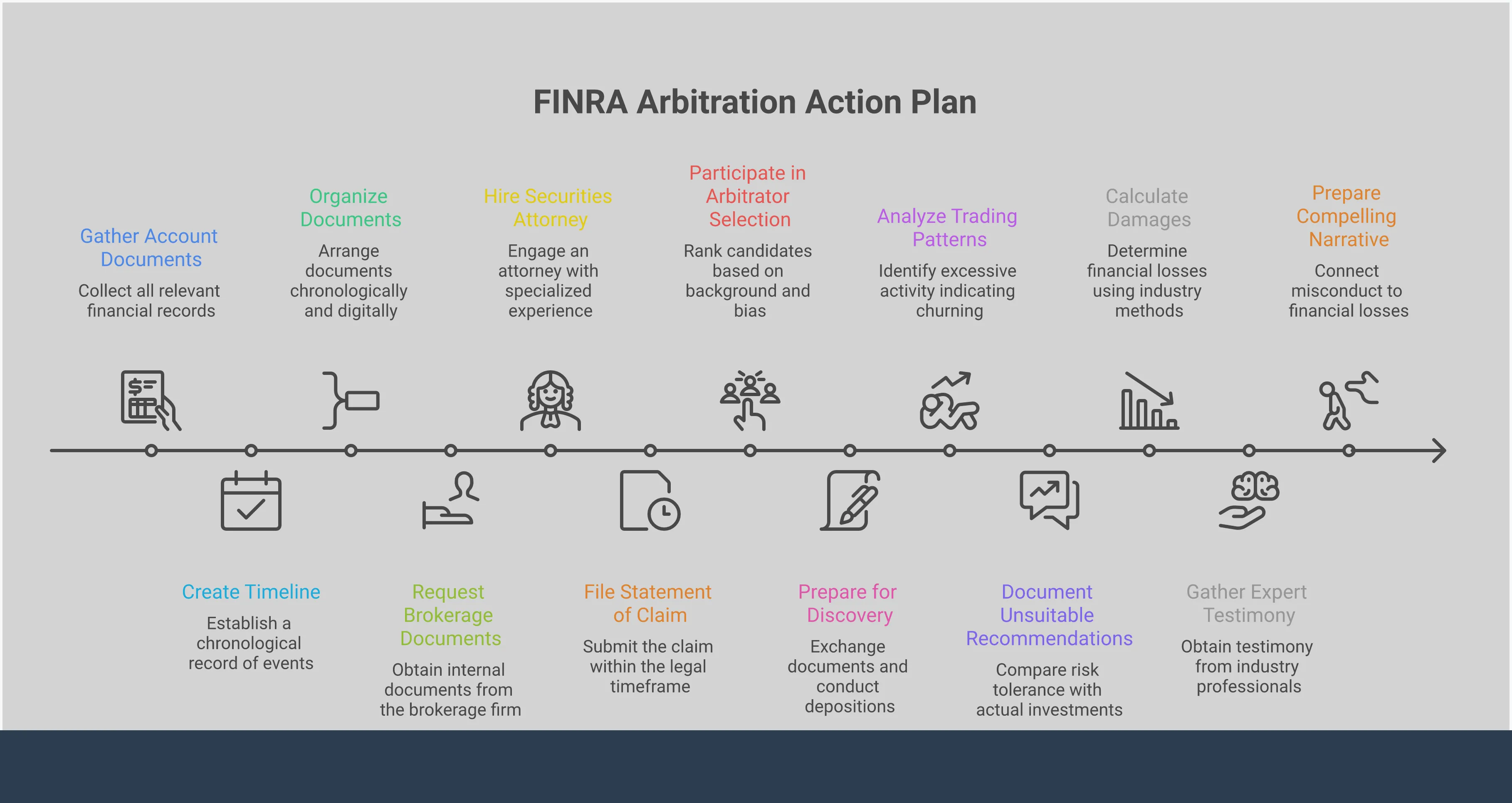
The FINRA arbitration process operates under a unique and detailed set of rules that are very different from what you’d find in a standard courtroom. These regulations govern everything from how you file your claim to what kind of evidence is admissible and how hearings are conducted. Simply having a good case isn’t enough; you have to present it according to these specific procedures. Effective representation requires a deep understanding of securities regulations and the inner workings of brokerage firms. It’s a specialized field where general litigation skills don’t always translate, making it difficult for an individual to handle the complexities of their investment issues alone.
Losing your hard-earned money due to fraud or negligence is an incredibly stressful and often emotional experience. Pursuing a legal claim can add another layer of anxiety to an already difficult situation. You may have to recount painful events, face the people you once trusted, and deal with the uncertainty of the outcome. While securities arbitration is intended to be a more efficient process, it doesn’t eliminate the emotional weight of the conflict. Managing this stress while trying to build a logical, evidence-based case is a major challenge for many investors. Having a professional handle the procedural details can allow you to focus on your own well-being.
When you file a claim, you can be sure the brokerage firm will have experienced legal counsel on its side. Their lawyers are not just familiar with the law; they are deeply acquainted with the rules of the securities industry and the specific procedures of FINRA’s dispute resolution forums. They know how to question evidence, challenge testimony, and frame arguments in a way that benefits their client. For an investor representing themselves, facing off against a seasoned legal team creates an immediate imbalance. These lawyers spend their days in this arena, and countering their strategies requires an equal level of familiarity with the system.
Putting together a winning arbitration claim is about more than just stating that you were wronged. You need to gather the right documents, organize your evidence, and present a clear, persuasive argument that proves liability and damages. This can involve obtaining trading records, account statements, and internal documents from the brokerage firm, which isn’t always easy. An attorney who has worked through the FINRA system knows how the rules are applied in practice, not just in theory. This hands-on experience is critical for building a compelling case, especially when dealing with complex matters like broker fraud and negligence.
When you’re facing a financial dispute, the path forward can feel overwhelming. A FINRA arbitration lawyer acts as your dedicated advocate, handling the legal complexities so you can focus on what matters. From the moment you decide to pursue a claim, they provide critical support by assessing your situation, building a solid case, and representing your interests at every turn. Their involvement is about more than just legal knowledge; it’s about providing a clear, structured approach to a process that can otherwise be confusing and stressful for investors.
The first step your lawyer will take is a thorough evaluation of your claim. They will listen to your story, review your documents, and determine the strengths and weaknesses of your case. This initial analysis is crucial. Effective representation demands attorneys with direct FINRA arbitration experience and a deep knowledge of securities regulations, not just general litigation skills. Based on this assessment, they will develop a tailored strategy designed to achieve the best possible outcome for you. This plan will outline the key arguments, identify the necessary evidence, and set a clear course for the entire securities arbitration process.
Once a strategy is in place, your lawyer gets to work building your case. This involves gathering all relevant evidence, such as account statements, correspondence with your broker, and other financial records. They know exactly what documents are needed and how to obtain them. An attorney well-versed in FINRA rules can guide you smoothly through each step, from filing the claim to the final hearing, ensuring that no procedural missteps jeopardize your case. They will draft a formal Statement of Claim that clearly and persuasively tells your side of the story, laying the groundwork for a strong presentation to the arbitration panel.
Many disputes related to broker fraud and negligence are resolved through a settlement before the final hearing. Your lawyer will handle all negotiations on your behalf, fighting for a fair resolution that compensates you for your losses. If a settlement isn’t reached, they will represent you at the arbitration hearing. Understanding FINRA arbitration involves recognizing it as a streamlined process designed to resolve disputes effectively. During the hearing, your lawyer will present your evidence, cross-examine witnesses, and make compelling legal arguments to the arbitrators, ensuring your case is presented in the strongest possible light.
A lawyer’s support continues even after the arbitration panel makes its decision. If you receive an award, they will help ensure the firm pays it in a timely manner. In some cases, the opposing party may try to challenge the award in court, a process known as a motion to vacate. A FINRA attorney is essential for managing this complex process, as specific legal grounds must be met for a challenge to succeed. They will defend your award and handle any post-hearing procedures, providing guidance until your case is fully and finally resolved. If you have questions about your specific investment issues, a legal professional can offer clarity.
Finding the right legal partner is one of the most important decisions you’ll make when pursuing a FINRA arbitration claim. You need someone who not only understands the law but also understands your situation. The right lawyer can make a significant difference in the outcome of your case and your peace of mind throughout the process. When you’re evaluating potential attorneys, focus on a few key areas to ensure you find someone who is truly equipped to represent you. Consider their specific experience, their history with cases like yours, and how they manage their client relationships.
When you’re looking for a lawyer, it’s crucial to find someone with direct experience in securities law. This area is highly specialized, and a general practice attorney likely won’t have the detailed knowledge required. An effective lawyer for your case will have a deep understanding of securities regulations and the operational standards of brokerage firms. They should be thoroughly familiar with the unique procedures of the securities arbitration process, which is very different from a traditional court case. Don’t hesitate to ask a potential attorney about their specific background in handling FINRA claims.
Beyond general experience, look for a lawyer with a history of handling cases similar to yours. Whether your claim involves unsuitable recommendations, unauthorized trading, or another form of broker fraud and negligence, you want an attorney who has seen it before. An attorney who is well-versed in the rules and has a background in your type of claim can guide you through each step, from filing the initial paperwork to representing you in the final hearing. Ask about their past cases and their outcomes to get a sense of their ability to handle your specific situation effectively.
A strong legal case is built on a strong client-attorney relationship, which requires clear communication and transparency about fees. During your initial consultation, pay attention to how the lawyer explains complex legal concepts. Do they listen to your concerns and answer your questions directly? You should also ask about their fee structure. Many securities arbitration lawyers work on a contingency fee basis, which means you don’t pay unless they recover money for you. Be sure you have a clear understanding of all potential costs before signing any agreement. Taking the time to contact us for a clear conversation upfront can prevent misunderstandings later.
As you approach the end of the arbitration process, it’s helpful to know what to expect. A FINRA arbitration claim can resolve in a few different ways, and the outcome will directly impact your financial recovery. Understanding these possibilities from the start can help you set realistic expectations and work with your attorney to aim for the most favorable result for your situation. The two primary outcomes are a settlement or an award decided by the arbitration panel.
Most investor claims filed through FINRA are resolved through a settlement before the final hearing ever takes place. A settlement is a confidential agreement reached between you and the opposing party, often through negotiation, to resolve the dispute for an agreed-upon amount. This can be a faster and less stressful path to recovering your losses. If your case doesn’t settle, it will proceed to a hearing where the arbitrators will issue a final decision, known as an award. This award will state whether you are entitled to recover money and how much. The goal in either scenario is to help you reclaim the funds you lost due to misconduct.
The strength of your legal representation plays a huge role in the final outcome. An attorney with deep experience in securities arbitration understands the specific rules and strategies that lead to success. This isn’t just general courtroom knowledge; it’s a specialized skill set that involves knowing how to present evidence of financial wrongdoing and argue against the complex defenses that brokerage firms use. Your lawyer’s ability to build a persuasive case is critical for negotiating a fair settlement and for convincing the arbitration panel to rule in your favor if the case goes to a hearing. Their guidance ensures procedural rules are followed correctly, preventing missteps that could harm your claim.
It’s important to understand that a FINRA arbitration award is legally binding and final. Unlike many court decisions, there is no standard appeals process. The grounds for challenging an award in court are extremely narrow and rarely successful. This finality means you have one shot to present your strongest possible case. It highlights the importance of being thoroughly prepared and having a dedicated legal advocate on your side from the very beginning. Because the decision is so conclusive, ensuring your claim is handled correctly from day one is essential to protecting your financial future. If you have questions about a potential claim, it’s wise to discuss your situation with a qualified attorney.
Realizing your investments may have been mishandled can feel overwhelming, but taking clear, deliberate steps is the best way to regain control. If you suspect something is wrong, your immediate actions can significantly impact your ability to recover potential losses. It’s about being methodical and strategic from the very beginning.
The path forward starts with organization and seeking the right kind of help. Don’t let uncertainty paralyze you. Instead, focus on what you can do right now to build a strong foundation for your case.
Your first move is to gather all your paperwork. Collect every document related to your investments, including account statements, trade confirmations, prospectuses, and any written communication you’ve had with your broker or financial advisor. This includes emails, letters, and even notes you took during phone calls or meetings. Create a timeline of events, noting when you opened the account, when key conversations happened, and when you first noticed a problem. This detailed record is invaluable and will serve as the backbone of your claim.
This is not the time for a general practice attorney. You need a lawyer with direct experience in securities law and the FINRA arbitration process. Effective representation requires a deep understanding of complex financial products, industry regulations, and the specific procedures of FINRA’s dispute resolution forums. An attorney who specializes in this area knows the customs that govern interactions between brokers and clients and can spot instances of broker fraud and negligence that others might miss. They can properly evaluate your situation and explain your legal options clearly.
Once you have your documents organized, the next step is to speak with a qualified securities arbitration lawyer. Most reputable firms offer a confidential consultation to review the details of your situation. This meeting is your opportunity to ask questions, understand the strength of your potential claim, and learn about the arbitration process. Preparing for this conversation will help you get the most out of it. Be ready to share your timeline and documents, and don’t hesitate to discuss your concerns. Taking this step can provide clarity and a concrete plan for moving forward. If you’re ready to discuss your case, please contact us to see how we can help.
Is FINRA arbitration my only option, or can I sue my broker in court? When you opened your brokerage account, you almost certainly signed an agreement that requires you to resolve disputes through FINRA arbitration. This is standard practice across the securities industry. While there are very rare exceptions, for the vast majority of investor claims against their brokerage firms, arbitration is the required and exclusive forum. It’s designed to be a more direct path to resolution than the traditional court system.
How much does it cost to hire a FINRA arbitration lawyer? This is a very common and understandable concern, especially after you’ve already experienced financial losses. Most securities arbitration attorneys work on a contingency fee basis. This means their fee is a percentage of the money they recover for you. If you don’t win your case, you don’t owe them a fee for their time. This arrangement allows you to pursue a claim without needing to pay for legal representation upfront.
What happens if I don’t have a lot of written proof? It’s a common worry, but you might have more evidence than you think. A skilled attorney knows how to build a case using account statements, trading data, and other records that can be obtained from the brokerage firm during the discovery process. Your testimony is also a critical piece of evidence. A lawyer can help piece together the timeline and use industry rules and standards to show how your broker’s actions were inappropriate, even if you don’t have every conversation in an email.
Will I have to testify in person at a hearing? If your case proceeds to a final hearing, then yes, you will likely need to provide testimony. However, many cases are resolved through a settlement before a hearing is necessary. If you do have to testify, your lawyer will prepare you thoroughly for the experience. They will go over the questions you can expect and help you present your story clearly and confidently to the arbitrators. The goal is to make you as comfortable as possible with the process.
What’s the difference between a settlement and an award? A settlement is a voluntary agreement you and the brokerage firm reach to resolve your claim, usually for a specific amount of money. This can happen at any point and avoids a final hearing. An award is the legally binding decision made by the arbitrators after they have heard all the evidence at a final hearing. While a settlement offers certainty and a faster resolution, an award is the outcome when no agreement can be reached.