It’s an unsettling feeling to look at your investment statements and suspect something is wrong. Perhaps the losses are far greater than you were prepared for, or you see unfamiliar investments that seem too risky for your situation. These are serious concerns that deserve clear answers. Your financial advisor is obligated to recommend strategies that align with your stated goals and risk tolerance. When that alignment is missing, it can be a sign of professional negligence. For clients of Merrill Lynch, Pierce, Fenner & Smith, Inc. broker Alex Paredes Malaga, recent allegations of unsuitable recommendations and misrepresentation may be particularly troubling and warrant a closer look at their own portfolios.
Key Takeaways
- Your Financial Goals Should Always Come First: A broker has a fundamental duty to recommend investments that align with your personal objectives and risk tolerance. If you were guided into strategies that felt inappropriate or overly aggressive, it’s a clear sign that your best interests may not have been the priority.
- The Brokerage Firm Shares Responsibility: Financial firms are legally required to supervise their advisors. This means if your broker engaged in misconduct, the firm itself can be held liable for your losses due to its failure to provide proper oversight.
- Time is a Factor in Recovering Losses: There are strict deadlines for filing an arbitration claim to recover investment losses. If you have concerns about your account, it is critical to consult with a securities attorney to understand your options before you lose the right to take action.
A Closer Look at Alex Paredes Malaga of Merrill Lynch
When you entrust your financial future to an advisor, you expect them to act with your best interests at heart. Understanding a broker’s professional history, credentials, and stated client focus is a crucial first step in evaluating whether their actions align with their responsibilities. This information provides a baseline for the level of service and expertise you should have received.
Alex Paredes Malaga is a broker who has been associated with Merrill Lynch, Pierce, Fenner & Smith Incorporated. For investors who worked with him, reviewing the details of his career can provide important context, especially if you have concerns about your account’s performance or the advice you were given. Examining a broker’s background is a key part of investigating potential broker fraud and negligence. Let’s take a closer look at his professional profile to better understand his role and the services he offered to clients.
His Professional Background
Alex Paredes-Malaga began working as a broker for Merrill Lynch, Pierce, Fenner & Smith Incorporated in Brea, California, in 2020. As a representative of a major financial institution like Merrill Lynch, a broker is expected to adhere to strict industry standards and regulations designed to protect investors. Clients at such firms often place a high degree of trust in their advisors, relying on their guidance to manage their savings, plan for retirement, and secure their financial goals. This relationship is built on the premise that the broker will provide sound, suitable advice tailored to the client’s individual circumstances and risk tolerance.
Credentials and Licenses
According to his public profile, Alex Paredes Malaga holds the titles of Assistant Vice President and Senior Financial Advisor. He also has several professional certifications, including Accredited Wealth Management Advisor (AWMA) and Chartered Retirement Planning Counselor (CRPC). These designations suggest a specialized knowledge in creating comprehensive financial plans and guiding clients through complex retirement decisions. Credentials like these are meant to assure investors that they are working with a qualified professional who has demonstrated a commitment to a high standard of ethics and expertise in the field of wealth management.
Location and Client Focus
Alex Paredes Malaga is based out of the Merrill Lynch office located at 145 South State College Blvd, Suite 300/350, in Brea, California. His professional focus is described as helping clients develop personalized financial strategies to meet their long-term objectives. This involves understanding a client’s complete financial picture, from their goals and timeline to their comfort with risk. For investors, this means the advice they receive should be specifically tailored to them, not based on a one-size-fits-all approach. When the recommendations don’t align with the client’s needs, it can lead to serious investment issues.
What Investment Services Does Alex Paredes Malaga Offer?
To understand the context of any investment dispute, it helps to know what services a financial advisor provides. According to his public profile with Merrill Lynch, Alex Paredes-Malaga offers a range of financial services focused on long-term planning and wealth management. These services are built around a personalized approach to help individuals and families work toward their financial goals. Understanding these offerings is the first step in evaluating whether an advisor’s actions were truly in a client’s best interest.
When you entrust your financial future to an advisor, you’re relying on their stated capabilities and professional duties. The services they market—from creating a financial plan to managing your portfolio—establish a standard of care. If an advisor fails to deliver on these services or makes recommendations that contradict your agreed-upon goals, it can be a sign of negligence or misconduct. This section breaks down the specific services Alex Paredes-Malaga offers, providing a clear picture of his professional responsibilities to his clients. This information can serve as a benchmark for investors who are questioning the advice they received or the performance of their accounts. By examining the scope of his practice, you can better assess whether the strategies implemented on your behalf were appropriate for your unique financial situation and objectives.
Wealth Management and Financial Planning
Alex Paredes-Malaga’s practice centers on wealth management and comprehensive financial planning. His approach, as described by Merrill, involves working closely with clients to create customized financial plans that reflect their personal priorities and long-term objectives. This process typically includes understanding a client’s life goals, from saving for education to planning for major purchases, with the aim of developing a clear roadmap for their financial future. By focusing on a one-on-one relationship, he positions himself as a guide for his clients’ financial journeys. The core promise of this service is to help clients organize and manage their resources effectively to pursue the outcomes that matter most to them.
Investment Portfolio Management
A key part of his role involves managing client investment portfolios. This service includes assessing a client’s current financial standing, risk tolerance, and future goals to build a suitable investment strategy. According to his professional profile, Paredes-Malaga focuses on managing investment risks and employing strategies that can adapt to changing market conditions. The goal is to ensure a client’s portfolio stays aligned with their stated objectives over time. Proper portfolio management is critical, as it directly impacts whether an investor’s financial goals are met or put at risk by unsuitable investment practices. An advisor has a duty to construct and manage a portfolio that is appropriate for the client.
Retirement Planning Strategies
Retirement planning is another significant area of focus for Alex Paredes-Malaga. He holds professional designations such as the Accredited Wealth Management Advisor (AWMA) and the Chartered Retirement Planning Counselor (CRPC). These credentials indicate specialized training in creating strategies for retirement income and managing assets for the long term. His services in this area are designed to help clients prepare for life after their careers end, addressing complex questions about savings, distributions, and legacy planning. Guiding clients through the intricacies of retirement is a core responsibility for any advisor offering these specialized services, as mistakes in this area can have lasting consequences for an investor’s financial security.
Access to Merrill Lynch’s Investment Products
As a financial advisor at Merrill Lynch, Alex Paredes-Malaga provides his clients with access to the firm’s broad array of investment products and research. This includes insights from Merrill’s analysts and banking solutions from its parent company, Bank of America. While access to such a wide range of options can be beneficial, it also places a significant responsibility on the advisor to recommend only suitable products. When an advisor has access to complex or proprietary investment products, it is their duty to ensure that every recommendation aligns with their client’s best interests, risk tolerance, and financial situation. This gatekeeping role is fundamental to protecting clients from potential harm.
Examining the Allegations Against Alex Paredes Malaga
Public records from the Financial Industry Regulatory Authority (FINRA) show a pending customer complaint against Alex Paredes Malaga. Understanding the details of these allegations can help investors recognize potential red flags in their own financial dealings. The claims center on several serious forms of broker misconduct, from unsuitable recommendations to misrepresentation. Let’s take a closer look at the specific claims that have been brought forward.
The Customer Dispute Over Unsuitable Investments
The central allegation against Paredes Malaga is that he recommended investments that were not suitable for his client. An unsuitable investment recommendation occurs when a broker suggests a financial product or strategy that doesn’t align with your age, income, investment goals, and tolerance for risk. Brokers have a responsibility to know their clients and recommend investments that are appropriate for their unique financial situation. When they fail to do so, it can expose investors to unnecessary risks and lead to significant financial losses. This type of broker fraud and negligence is a serious violation of an advisor’s duties.
Claims of Misrepresentation and Ignoring Instructions
Beyond unsuitable recommendations, the allegations include claims of misrepresentation and failure to follow client instructions. Misrepresentation can mean providing false or misleading information about an investment’s risks, potential returns, or associated fees. It can also involve omitting crucial facts that an investor would need to make an informed decision. Similarly, a broker who ignores your direct orders—whether it’s to buy, sell, or hold a security—is a serious breach of trust and professional duty. These actions can prevent you from executing your financial strategy and may lead to missed opportunities or avoidable losses.
Accusations of Acting Against Client Interests
At the core of these complaints is the accusation that Paredes Malaga acted against his client’s best interests. The dispute specifically points to poor recommendations made in a managed account in October 2021. This raises the question of whether the advice was given to benefit the client or the broker, who might have been motivated by higher commissions or fees. Your financial advisor should always prioritize your financial well-being. When a broker’s recommendations seem to serve their own interests more than yours, it’s a major red flag for potential investment issues that need to be addressed.
The Complaint’s Current Status
The customer complaint filed against Alex Paredes Malaga is currently pending. This means the dispute is actively being reviewed through a formal resolution process. When investors face such issues with their brokerage firms, their cases are often handled outside of a traditional courtroom. Instead, they are typically resolved through a process known as securities arbitration. This is a legally binding method for settling disputes where an impartial arbitrator or panel hears both sides of the case and makes a final decision. The ongoing status of this complaint highlights the seriousness of the allegations.
What to Do If You Have Concerns About Your Broker
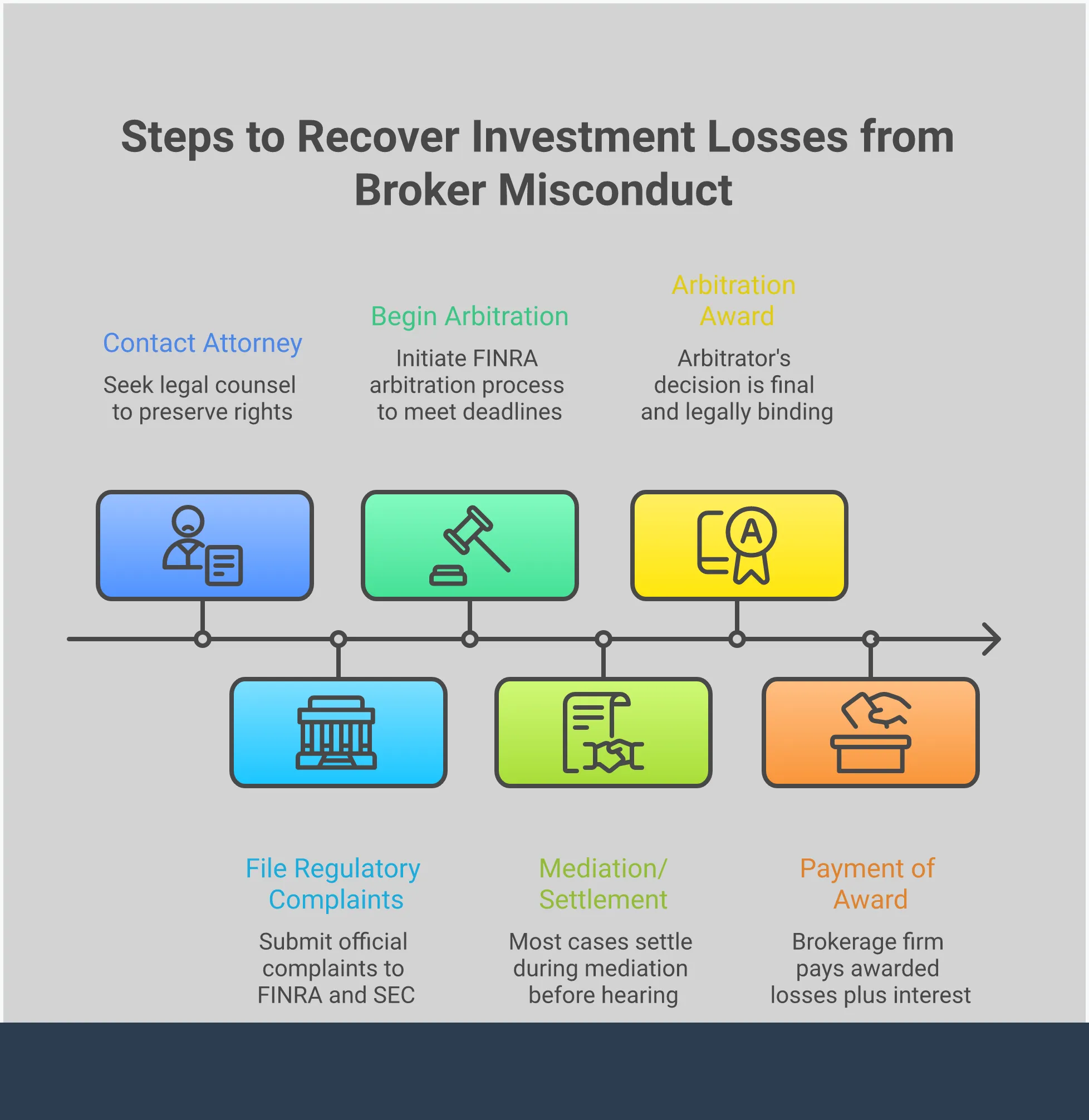
Discovering potential misconduct by your financial broker can be unsettling and confusing. You trusted them with your financial future, and now you’re left questioning their actions and worrying about your investments. It’s a difficult position to be in, but you have rights and there are clear steps you can take to address the situation. If you suspect your broker has engaged in negligence, made unsuitable recommendations, or misrepresented information, it’s important to act methodically. The following steps can help you understand your options for holding your broker and their firm accountable and potentially recovering your losses.
Filing a Complaint with FINRA and the SEC
One of the first steps you can take is to file a formal complaint with the regulatory bodies that oversee the securities industry. The Financial Industry Regulatory Authority (FINRA) and the U.S. Securities and Exchange Commission (SEC) both have systems for investors to report misconduct. Filing a complaint helps regulators identify patterns of bad behavior and can trigger an investigation into the broker and their firm. While this is a crucial step for regulatory enforcement, it’s important to know that filing a complaint with FINRA or the SEC will not directly recover your individual investment losses. For investors with information about large-scale fraud, the SEC Whistleblower program may also be an option to consider.
Understanding the FINRA Arbitration Process
When you open an account with a brokerage firm, you almost always sign an agreement that requires you to resolve disputes through arbitration rather than in court. FINRA runs the largest forum for this process. Securities arbitration is a legally binding method for resolving conflicts where an impartial arbitrator or panel hears both sides and makes a decision. A key point to remember is that brokerage firms have a legal duty to supervise their employees. This means that if your broker acted improperly, their employer could be held responsible for your losses because they failed in their supervisory duties. This makes the firm a central party in many arbitration claims.
When to Contact a Securities Attorney
While you can file a complaint or an arbitration claim on your own, the process is complex and governed by specific rules. A securities attorney can help you understand the strength of your case, gather the necessary evidence, and represent your interests throughout the process. If you’ve lost money due to what you believe is broker fraud and negligence, speaking with a lawyer is a practical next step. Many firms that specialize in this area offer free initial consultations to review your situation and work on a contingency fee basis. This means you don’t pay any attorney’s fees unless they successfully recover money for you.
Know the Deadlines for Taking Action
Time is a critical factor when it comes to investment disputes. There are strict deadlines, known as statutes of limitations, for filing an arbitration claim. If you wait too long, you could lose your right to pursue recovery of your losses, regardless of how strong your case is. The clock often starts ticking from the moment you knew, or should have known, about the potential misconduct. Because of these time limits, it’s vital to investigate any concerns you have about your investment issues as soon as they arise. Don’t delay in seeking answers or getting professional advice about your options.
How to Protect Your Investments from Misconduct
It can be unsettling when you suspect something is wrong with your investments. Fortunately, you can take steps to safeguard your financial future. Understanding your rights and knowing what to look for are your first lines of defense against broker misconduct. This involves being an active participant in your financial journey and recognizing when to ask for help. By staying informed, you can better identify potential issues and take decisive action.
Know Your Rights as an Investor
As an investor, you have fundamental rights. One of the most important is the right to proper supervision. Financial industry rules require brokerage firms to reasonably supervise their brokers’ activities. This means if a broker engages in misconduct, their employer could be held responsible for your losses. This principle of firm liability is a critical protection. Understanding that the firm has this oversight duty empowers you to hold them accountable for any broker fraud and negligence that may occur.
Spot the Red Flags of Unsuitable Advice
Trusting your financial advisor is important, but it’s also wise to watch for warning signs. A major red flag is receiving unsuitable investment recommendations—advice that doesn’t align with your financial goals or risk tolerance. Other signs include a broker misrepresenting information, failing to follow your instructions, or not acting in your best interest. If you feel pressured, confused by complex products, or notice unauthorized trades, it’s time to ask questions. These are common investment issues that can lead to serious financial losses if ignored.
How a Securities Attorney Can Help
If you suspect misconduct, you don’t have to face it alone. A securities attorney can review your case and explain your legal options in clear terms. They can help you gather documents, build a strong claim, and represent you in legal proceedings. Many firms that handle these cases work on a contingency fee basis, meaning you don’t pay attorney’s fees unless they recover money for you. This allows you to pursue justice without upfront legal costs. An attorney can guide you through the complex process of securities arbitration and advocate for your rights.
Your Options for Recovering Investment Losses
Discovering you’ve lost money due to your broker’s actions is difficult, but you have options for recovery. The most common path is filing a claim through the Financial Industry Regulatory Authority (FINRA) arbitration process. This is a specialized legal forum designed to resolve disputes between investors and brokerage firms. An attorney can manage this process for you, from filing the claim to representing you at the hearing. If you believe your broker caused you financial harm, the first step is to contact a law firm for a consultation to discuss your situation.
Related Articles
- MERRILL LYNCH UNDER INVESTIGATION IN NEW HAMPSHIRE FOLLOWING CUSTOMER COMPLAINTS
- Merrill Lynch Settles SEC Charges, Will Pay $415M
- Merrill Lynch Charged $11 Million for Using Old Data in Short Sales
- MERRILL LYNCH FINED $6 MILLION FOR SELLING IPOs TO INDUSTRY INSIDERS
- SEC Charges Merrill Lynch and Parent Company for Failure to Report Suspicious Activity
Frequently Asked Questions
What does it mean for an investment to be “unsuitable?” An unsuitable investment is one that doesn’t match your specific financial situation and goals. Your broker has a duty to understand key details about you, including your age, income, how much risk you’re comfortable with, and what you’re saving for. If they recommend a high-risk investment to someone who is retired and needs to preserve their capital, for example, that could be considered unsuitable. The advice you receive should be tailored to you, not a generic strategy that benefits the broker more than it benefits your portfolio.
My broker works for a major firm. Isn’t the company responsible for their actions? Yes, brokerage firms are required by industry regulations to supervise their financial advisors. This means they have a legal responsibility to ensure their brokers are following the rules and acting in their clients’ best interests. If a broker engages in misconduct, their employer can be held liable for failing to properly oversee their activities. This is a key principle in investor protection, as it makes the firm accountable for the actions of its employees.
I’m concerned about the advice I’ve received from my broker. What is the first step I should take? The first step is to gather all your relevant documents, such as account statements, trade confirmations, and any written communication you’ve had with your broker. Having this information organized will be helpful. The next practical step is to speak with a securities attorney who can review your situation. They can help you understand if you have a valid claim and explain your options for seeking to recover your losses.
Why do I have to go through arbitration instead of suing my broker in court? When you open an account with a brokerage firm, the paperwork you sign almost always includes a clause that requires you to resolve any disputes through arbitration. This is a binding agreement. Securities arbitration is a formal process run by organizations like FINRA to handle these conflicts outside of the traditional court system. An impartial arbitrator or panel will hear the case and make a final, legally binding decision.
I’m worried about how much it would cost to hire an attorney. How are the legal fees handled? Many securities law firms handle these cases on a contingency fee basis. This means you do not pay any attorney’s fees upfront. The law firm only gets paid if they successfully recover money for you, and their fee is a percentage of that recovery. This arrangement allows investors to pursue a claim without having to worry about the financial burden of legal costs while their case is ongoing.