When a single client receives a $40 million settlement from a major firm, it’s a clear sign that something went terribly wrong. This staggering figure is at the heart of the controversy surrounding former Merrill Lynch, Pierce, Fenner & Smith Broker Charles Kenahan, who was accused of churning accounts to generate excessive commissions at his clients’ expense. The financial fallout didn’t stop there, with other claims reaching over $80 million and regulators imposing a permanent ban. This case pulls back the curtain on the serious risks investors can face and highlights the profound importance of knowing how to protect your financial future from similar misconduct.
Key Takeaways
- Brokerage Firms Are Accountable for Their Advisors: The Kenahan case highlights that firms have a duty to supervise their brokers. When they fail, as Merrill Lynch did, they can be held financially liable for client losses through fines and settlements.
- Your Vigilance is Your First Line of Defense: You are the most important guardian of your investments. Make it a habit to review your account statements for unauthorized trades or excessive activity, as these are key red flags of potential broker fraud.
- There is a Formal Process for Recovering Losses: If you believe you’re a victim of broker misconduct, you don’t have to just accept the loss. The securities arbitration process is the established legal path for investors to seek financial recovery from both the broker and the firm.
Who Is Charles Kenahan?
Charles Kenahan is a former financial advisor whose time in the securities industry came to a dramatic end following a series of serious allegations from his clients. As a broker for the well-known firm Merrill Lynch, Kenahan managed significant investment portfolios. However, his name is now linked to some of the largest settlement payouts in recent history, stemming from claims of severe broker misconduct.
The story of his downfall serves as a critical reminder for investors about the importance of monitoring their accounts and understanding the actions taken on their behalf. When trust between an investor and a broker is broken, the financial and emotional consequences can be devastating. The Kenahan case highlights how one advisor’s actions can lead to millions of dollars in client losses and trigger major regulatory intervention. For anyone with investments, understanding what happened here is a key step in learning how to protect your own financial future from similar situations.
His Career at Merrill Lynch
Charles Kenahan worked as a broker at Merrill Lynch until the firm terminated his employment in July 2019. His departure wasn’t quiet; it followed a wave of client complaints regarding his trading practices. These weren’t minor disagreements but serious accusations of unauthorized trading and generating excessive commissions at the clients’ expense. This type of misconduct, often called “churning,” can drain an investment account while creating profits for the broker and the firm.
The allegations against Kenahan were substantial enough that Merrill Lynch paid over $66 million to settle related claims. The scale of these settlements reflects the significant harm investors suffered. Following an investigation into the matter, the Financial Industry Regulatory Authority (FINRA) took decisive action and permanently barred Kenahan from the securities industry, effectively ending his career as a broker.
What Are the Allegations Against Kenahan?
The claims against Charles Kenahan point to a pattern of serious broker misconduct that put his clients’ financial security at risk. At the heart of the case are two primary types of allegations: making trades without permission and recommending investments that were completely wrong for his clients. These actions represent a fundamental breach of the trust investors place in their financial advisors. Instead of working to protect and grow his clients’ assets, Kenahan was accused of using their accounts to serve his own interests, leading to significant financial harm and regulatory action.
Unauthorized and Excessive Trading (Churning)
One of the most significant allegations against Kenahan involves “churning.” This is a deceptive practice where a broker makes excessive trades in a client’s account primarily to generate commissions for themselves, not to benefit the client. It’s a clear form of broker fraud and negligence. In Kenahan’s case, the activity was so egregious that his former employer, Merrill Lynch, paid a staggering $40 million to settle churning allegations from just one client. Regulators later confirmed that the firm failed to properly supervise Kenahan, allowing him to trade without authorization and rack up huge fees at his clients’ expense. This wasn’t just poor management; it was a catastrophic failure to protect investors.
Unsuitable Investment Advice
Beyond the excessive trading, Kenahan also faced multiple claims for providing unsuitable investment advice. Financial advisors have a duty to recommend investments that align with their client’s age, financial goals, and tolerance for risk. Pushing a retiree into a high-risk, speculative stock, for example, would be considered unsuitable. Kenahan was accused of doing just that, recommending investments that did not fit his clients’ profiles. These investment issues were often compounded by the churning and unauthorized trading, creating a toxic combination of misconduct that left investors with substantial losses and portfolios that no longer matched their needs.
The Financial Fallout: A Timeline of Settlements
The allegations of misconduct against Charles Kenahan triggered a cascade of financial consequences, leading to massive settlements and regulatory fines. These figures aren’t just numbers on a page; they represent the significant losses investors endured and the long road to accountability. The timeline of these events paints a clear picture of the financial damage and the steps taken to hold both the broker and the firm responsible. For investors who have experienced a similar breach of trust, understanding these outcomes is a critical first step toward seeking justice. It shows that recovery is possible and that the system has ways of addressing broker fraud and negligence.
When a broker’s actions lead to devastating losses, these settlements serve as a powerful reminder that investors have rights and legal avenues to pursue them. The financial fallout in a case like this extends beyond a single account, often impacting families, retirement plans, and long-term financial security. Seeing multi-million dollar settlements can feel validating for those who have been wronged, as it publicly acknowledges the severity of the misconduct. It also highlights the responsibility of brokerage firms like Merrill Lynch to supervise their employees and protect their clients’ interests. When that supervision fails, the firm can be held financially liable for the damage caused by its representatives.
The $40 Million Client Churning Settlement
One of the most significant financial repercussions was a $40 million settlement paid by Bank of America Merrill Lynch. This payment was made to resolve allegations of “churning” connected to Charles Kenahan’s activities. Churning is an illegal and unethical practice where a broker engages in excessive trading in a client’s account primarily to generate commissions, rather than to benefit the client. This settlement underscores the severity of the claims and represents a substantial effort to compensate the affected clients for the losses and excessive fees they incurred due to this harmful trading strategy. It’s a clear acknowledgment of the financial harm caused by placing a broker’s interests above the client’s.
New Hampshire’s $26 Million Regulatory Settlement
State regulators also took decisive action. The New Hampshire Bureau of Securities Regulation reached a settlement with Merrill Lynch that included a fine of $1.75 million plus an additional $250,000 to cover the costs of the investigation. While the monetary penalty against the firm was significant, the most critical outcome for investor protection was the permanent ban placed on Kenahan. This action ensures he can no longer work in the securities industry in any capacity, preventing him from harming other investors. This regulatory move shows how state agencies can address serious investment issues and protect the public from bad actors in the financial world.
An Additional $83 Million in Claims
Beyond the large settlements, individual investors also came forward with their own claims. Filings show that at one point, Charles Kenahan was facing an additional $83 million in claims from just three different Merrill Lynch customers. These staggering figures illustrate the immense scale of the financial harm that a single broker’s alleged misconduct can cause. Claims of this magnitude are typically handled through a process known as securities arbitration, which allows investors to seek recovery for their losses without going through a lengthy court battle. The size of these claims demonstrates the profound trust that was broken and the devastating financial impact on the individuals involved.
How FINRA Responded
When serious allegations of misconduct surface, the Financial Industry Regulatory Authority (FINRA) is the organization responsible for investigating and disciplining brokers. Their role is to enforce industry rules and protect investors from fraudulent practices. In the case of Charles Kenahan, the mounting customer complaints and multi-million dollar settlements triggered a formal inquiry. FINRA’s response highlights the regulatory consequences brokers face when they violate their duties to clients and the industry. The investigation and its outcome serve as a critical example of how the system is supposed to work to remove bad actors from the securities industry, though it often happens long after investors have suffered significant harm.
The Investigation and Its Findings
FINRA launched an investigation into Charles Kenahan’s sales practices to determine the validity of the numerous churning allegations. Initially, Kenahan cooperated with the inquiry, but he later stopped providing the documents and information FINRA requested. This refusal to comply is a serious violation of FINRA rules, which mandate that brokers must cooperate with regulatory investigations. When a broker obstructs an investigation, it not only breaches industry regulations but also raises serious questions about their conduct. This failure to cooperate was a critical factor in FINRA’s final decision, as it demonstrated a disregard for the rules designed to ensure broker accountability and protect the investing public.
A Permanent Ban from the Industry
Due to his refusal to cooperate with the investigation, FINRA permanently barred Charles Kenahan from the securities industry. This is one of the most severe sanctions the regulator can impose, effectively ending his career as a broker. The ban prevents him from associating with any FINRA-regulated brokerage firm in any capacity. This decisive action underscores the gravity of the situation and FINRA’s commitment to upholding industry standards. While a permanent ban protects future investors from potential harm, it does not compensate the victims who already suffered losses. For that, affected investors typically must pursue recovery through the securities arbitration process.
The Ripple Effect on Merrill Lynch and Its Clients
The actions of a single broker can create waves that affect many, and the Charles Kenahan case is a stark reminder of this. When a broker engages in misconduct, the consequences extend far beyond their own career. Investors can suffer devastating financial losses, and the brokerage firm that employed them faces significant reputational and financial damage for its failure to protect its clients. This situation highlights the critical importance of a firm’s duty to supervise its advisors and the profound impact when that responsibility is neglected.
Client Losses and Broken Trust
For the investors involved, the fallout from Kenahan’s alleged actions was severe. Trust is the cornerstone of any client-advisor relationship, and when that trust is broken through practices like excessive trading, the financial and emotional toll can be immense. Merrill Lynch ultimately paid $40 million to settle a case involving allegations that Kenahan was “churning” accounts—a practice where a broker trades excessively to generate commissions for themselves, not to benefit the client. Beyond that staggering settlement, other clients came forward with claims totaling an additional $83 million, illustrating the widespread harm. These aren’t just numbers; they represent retirements, family savings, and financial futures put in jeopardy by broker fraud and negligence.
Damage to Merrill Lynch’s Reputation
A brokerage firm is responsible for monitoring its employees, and failures in this area can severely tarnish its reputation. In this case, regulators specifically cited Merrill Lynch for its supervisory lapses. According to one report, the firm was penalized for “‘failing to supervise Kenahan and that Kenahan traded without authorization.’” This kind of public reprimand raises serious questions about the firm’s internal controls and its commitment to protecting client interests. When a well-known firm like Merrill Lynch fails to stop misconduct within its own ranks, it erodes confidence across the board and leaves investors wondering who they can truly trust with their financial well-being.
New Hampshire’s $1.75 Million Fine
The regulatory consequences for Merrill Lynch were significant. The New Hampshire Bureau of Securities imposed a hefty fine on the firm for its supervisory failures related to Kenahan’s conduct. The state regulator fined Merrill Lynch $1.75 million plus costs, a penalty that underscores the seriousness of the firm’s oversight breakdown. While regulatory fines hold firms accountable, this money doesn’t typically go back to the individual investors who lost their savings. For victims to recover their personal losses, they often need to pursue their own legal action through a process like securities arbitration.
Warning Signs of Broker Misconduct
It can be incredibly unsettling to suspect that the person you’ve trusted with your financial future isn’t acting in your best interest. The good news is that there are often clear warning signs of broker fraud and negligence. Knowing what to look for is the first step in protecting your assets. The Charles Kenahan case provides a powerful example of what can go wrong and highlights the specific red flags every investor should be aware of. By staying vigilant and regularly reviewing your accounts, you can catch potential issues before they escalate.
How to Spot Unauthorized Trading
Unauthorized trading happens when a broker buys or sells securities in your account without your permission. Unless you have a discretionary account where you’ve given prior written consent, your broker must get your approval for every single trade. In the Kenahan case, allegations of unauthorized and excessive trading were central to the dispute, contributing to Merrill Lynch paying out over $66 million in settlements. Always review your trade confirmations and monthly statements immediately. If you see a transaction you don’t recognize or didn’t approve, question it right away. Don’t assume it’s a simple mistake; it could be a sign of serious misconduct.
Red Flags to Watch for in Your Account
Beyond trades you didn’t approve, watch for other signs of trouble. Is there an unusually high number of trades in your account? This could be “churning,” where a broker trades excessively to generate commissions. Kenahan’s actions reportedly led to significant commissions for Merrill Lynch but heavy losses for investors. Another red flag is a concentration in a single, high-risk investment that doesn’t match your goals. Regulatory filings also revealed that Merrill Lynch was cited for failing to supervise Kenahan, a reminder that oversight failures can enable misconduct. If you notice these issues, it may be time to explore your options.
What Are Your Legal Options if You’ve Been Victimized?
Discovering that your financial losses might be due to your broker’s actions is a deeply unsettling experience. It can feel overwhelming, and you might not know where to turn. The good news is that you don’t have to face this alone, and there are established pathways to seek justice and recover your money. If you believe you’ve been harmed by broker misconduct, your primary course of action is typically through a specific legal channel designed for investor disputes.
This process allows you to formally state your case and present evidence of the harm you’ve suffered. While it might sound intimidating, it’s a structured system created to handle these exact situations. Working with a legal professional who specializes in these types of claims can make a significant difference. An experienced attorney can guide you through every step, handle the complex paperwork and procedures, and build the strongest possible case on your behalf. Your focus should be on recovery, and understanding your legal options is the first step toward it.
The Securities Arbitration Process
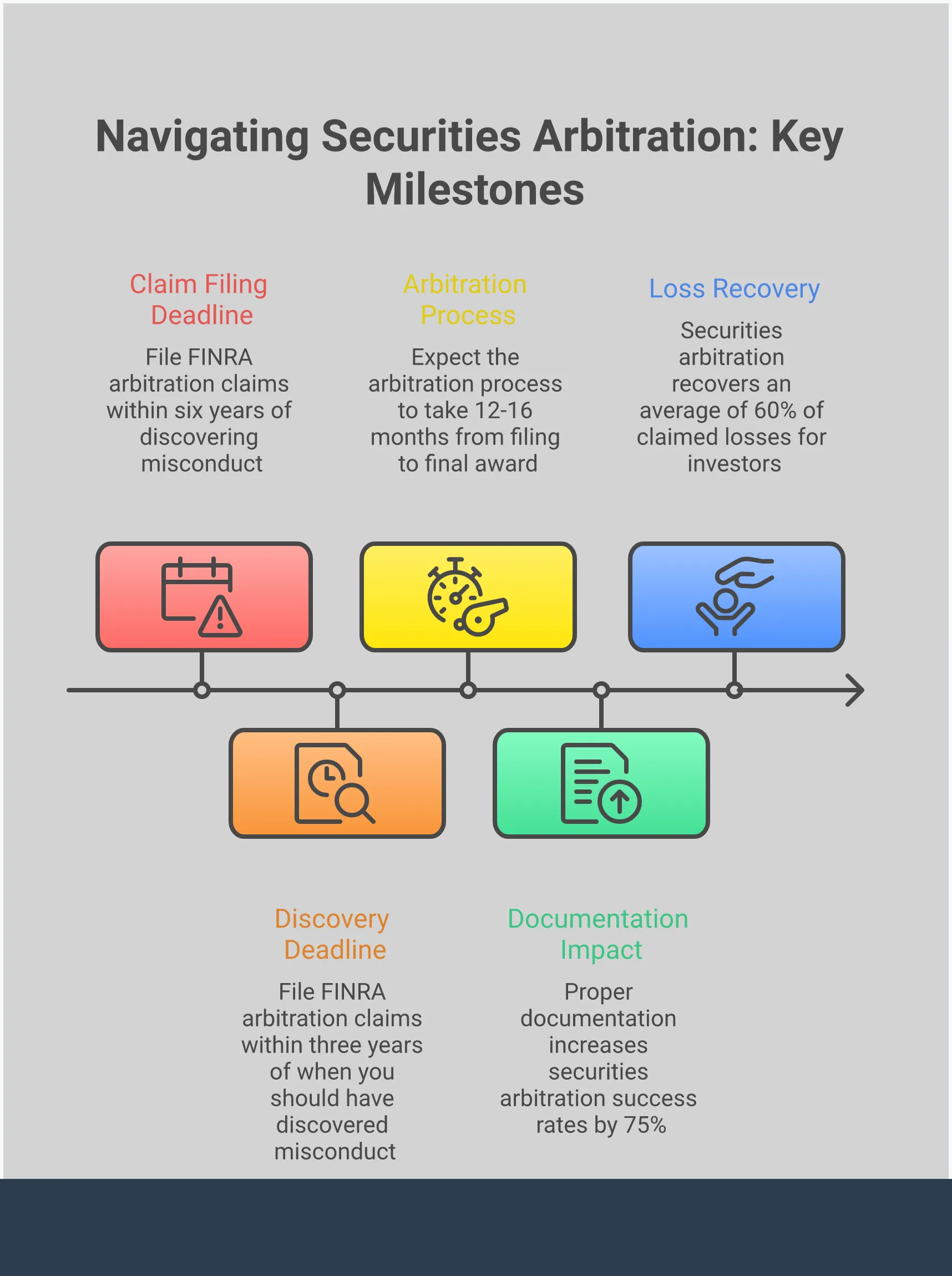
If you’ve lost money because of a broker’s actions, you can seek to recover your funds through the securities arbitration process. Most brokerage account agreements require you to resolve disputes this way rather than in a traditional court. This process is often faster and less formal than litigation, allowing you to present your case before a panel of arbitrators who will decide the outcome.
Investors who lost money while working with brokers like Charles Kenahan may be entitled to recoup their losses through securities arbitration. This avenue provides a structured environment for resolving disputes and can result in a binding award to compensate you for the financial damages you’ve incurred. It’s a direct path to holding brokers and their firms accountable.
How a Securities Fraud Attorney Can Help
Trying to handle a securities arbitration claim on your own can be incredibly challenging. A securities fraud attorney acts as your advocate, guiding you through the complexities of the financial industry’s legal system. They understand the rules, the tactics brokerage firms use, and how to build a compelling case based on evidence from your account statements and communications.
An attorney can help you prove broker fraud and negligence by gathering the right documents, hiring industry professionals to testify, and representing you before the arbitration panel. Based on our experience, we believe that there are more investors who have been the victim of alleged broker misconduct and investment fraud than initially come forward. Seeking legal representation ensures your rights are protected and gives you a powerful ally dedicated to recovering your losses.
How to Protect Your Investments
While financial advisors have a duty to act in your best interest, you are always your own most powerful advocate. The Charles Kenahan case is a stark reminder that even at major firms, oversight can fail, leaving investors vulnerable. Taking a hands-on approach to your finances is one of the most effective ways to safeguard your hard-earned money. It doesn’t require you to be a financial genius, but it does require diligence and a willingness to ask questions. By staying engaged and informed, you can spot potential problems before they escalate into significant losses and ensure your financial future remains secure. This isn’t about micromanaging your broker; it’s about partnership and verification. Think of it as building a system of checks and balances for your own financial well-being. When you understand what’s happening with your money and why, you’re less likely to be taken by surprise. The following steps are practical ways to build that system and maintain control over your investments, regardless of who is managing them. These habits can help you identify red flags early and give you the confidence to speak up when something doesn’t feel right. Ultimately, no one is more invested in your financial success than you are.
Practice Proactive Account Monitoring
It’s essential to regularly review your account statements and transaction history. Make it a monthly habit to check for any activity that seems unusual or that you didn’t authorize. In the case against Charles Kenahan, Merrill Lynch was cited for “failing to supervise Kenahan and that Kenahan traded without authorization.” This detail from the regulatory action highlights a critical point: vigilance is key. If a major firm can miss red flags, it’s up to you to be the first line of defense for your own accounts. Catching discrepancies early can prevent devastating losses and is a crucial step in identifying potential broker fraud and negligence.
Understand and Own Your Investment Strategy
You need to have a clear understanding of your investment strategy and communicate it effectively to your broker. The allegations against Kenahan revealed that many investors were not fully aware of the risks their broker was taking, as his actions allegedly led to “extraordinary losses” from excessive trading. Your strategy should always align with your personal risk tolerance and long-term financial goals. Don’t be afraid to ask questions until you are completely comfortable. If your broker’s actions don’t seem to match your stated objectives, it’s a serious red flag. Taking ownership of your strategy helps protect you from various investment issues and ensures you remain in control of your financial journey.
What the Kenahan Case Means for the Industry
When a case like Charles Kenahan’s comes to light, it’s more than just a story about one broker’s misconduct. It serves as a critical reminder of the systemic vulnerabilities that can leave investors exposed to significant harm. The staggering losses and blatant disregard for client trust force us to look closer at the industry’s practices and the effectiveness of the safeguards meant to protect people’s life savings. This case puts a spotlight directly on the immense responsibility that brokerage firms like Merrill Lynch have to oversee their advisors and the urgent need for stronger accountability across the board. It’s a clear signal that the existing rules and enforcement may not be enough to prevent bad actors from causing devastating financial damage.
A Call for Stronger Regulatory Oversight
The allegations against Kenahan revealed a significant breakdown in supervision at Merrill Lynch. Regulators specifically cited the firm for failing to adequately monitor his activities, which allowed the alleged misconduct to continue unchecked for years. Every brokerage firm has a fundamental duty to supervise its representatives and protect clients from harm. When they fail to do so, it’s not just the broker who is at fault; the firm itself must be held accountable for its negligence. This case is a stark example of why robust internal controls and vigilant oversight are non-negotiable. It reinforces the need for regulators to enforce these standards strictly, ensuring firms can’t simply turn a blind eye to the red flags of broker fraud and negligence.
The Push for Industry-Wide Improvements
The pattern of excessive and unauthorized trading in Kenahan’s accounts has fueled calls for meaningful, industry-wide reforms. While FINRA’s decision to permanently bar Kenahan from the industry is a necessary step, it’s a reactive measure that comes after investors have already suffered immense losses. The real goal should be prevention. This case highlights the need for more proactive systems to detect and stop misconduct before it escalates. It’s a call to action for the financial industry to implement better training, stricter compliance protocols, and a culture that prioritizes investor protection over profits. Ultimately, these changes are essential to help shield hardworking individuals from similar investment issues in the future.
Related Articles
- Merrill Lynch Settles SEC Charges, Will Pay $415M
- MERRILL LYNCH UNDER INVESTIGATION IN NEW HAMPSHIRE FOLLOWING CUSTOMER COMPLAINTS
- SEC Charges Merrill Lynch and Parent Company for Failure to Report Suspicious Activity
- Merrill Lynch Charged $11 Million for Using Old Data in Short Sales
- MERRILL LYNCH FINED $6 MILLION FOR SELLING IPOs TO INDUSTRY INSIDERS
Frequently Asked Questions
What exactly is “churning“? Churning is when a broker makes excessive trades in your account not to help you, but to generate commissions for themselves. Think of it less about the number of trades and more about the broker’s intent. If the primary goal of the trading activity is to create fees rather than to advance your investment strategy, it’s likely churning. It’s a serious breach of trust that can drain your account while enriching the broker.
Why was Merrill Lynch held responsible for Kenahan’s actions? Brokerage firms have a legal duty to supervise their employees and monitor their activities to protect clients. When a broker engages in misconduct, the firm can be held liable for failing to have proper systems in place to detect and stop it. In this case, regulators found that Merrill Lynch’s supervision was inadequate, which allowed the harmful trading to continue. The firm’s responsibility is to protect you, not just to employ the broker.
If a broker is barred from the industry, do I automatically get my money back? No, a regulatory action like a permanent ban does not automatically result in compensation for investors. The ban is a disciplinary measure designed to punish the broker and protect the public from future harm. To recover your personal financial losses, you must typically pursue a separate action, like filing a securities arbitration claim against the broker and the firm that employed them.
What’s the difference between a bad investment and an “unsuitable” one? A bad investment can happen to anyone; markets go up and down, and even well-researched choices can lose money. An unsuitable investment, however, is one that should never have been recommended to you in the first place. It’s a recommendation that doesn’t align with your stated financial goals, age, income, or tolerance for risk. For example, putting a retiree’s entire nest egg into a highly speculative tech stock would likely be considered unsuitable.
I see some red flags in my account. What is the first step I should take? If you suspect something is wrong, the first step is to gather your documents, including account statements and any communications you’ve had with your broker. Do not delay. Your next step should be to speak with an attorney who specializes in securities fraud. They can review your situation, help you understand your rights, and explain the process for seeking to recover your losses.