
+1-888-741-7503
NO FEES UNTIL WE WIN
FREE CONSULTATION
NO FEES UNTIL WE WIN
FREE CONSULTATION
The fine print in your brokerage account agreement likely contains a clause you don’t remember signing: a mandatory arbitration agreement. This means that if your broker’s misconduct causes you to lose money, your only recourse is to file a claim through the Financial Industry Regulatory Authority (FINRA). This isn’t a simple process; it’s a formal legal proceeding with high stakes. The decisions made by the arbitrators are almost always final and binding, meaning you have one shot to get it right. To do that, you need a deep understanding of the system. This guide will explain the fundamentals and clarify why working with a focused Mobile, AL FINRA Arbitration Lawyer can make all the difference in your outcome.
If you’ve suffered investment losses because of a broker’s misconduct, you might assume your only option is to file a lawsuit. However, most investor agreements include a clause that requires you to resolve disputes through a process called arbitration. The Financial Industry Regulatory Authority (FINRA) runs the largest forum for this. Think of it as a private, specialized justice system for the securities industry. Understanding how securities arbitration works is the first step toward holding a negligent firm accountable and recovering your losses.
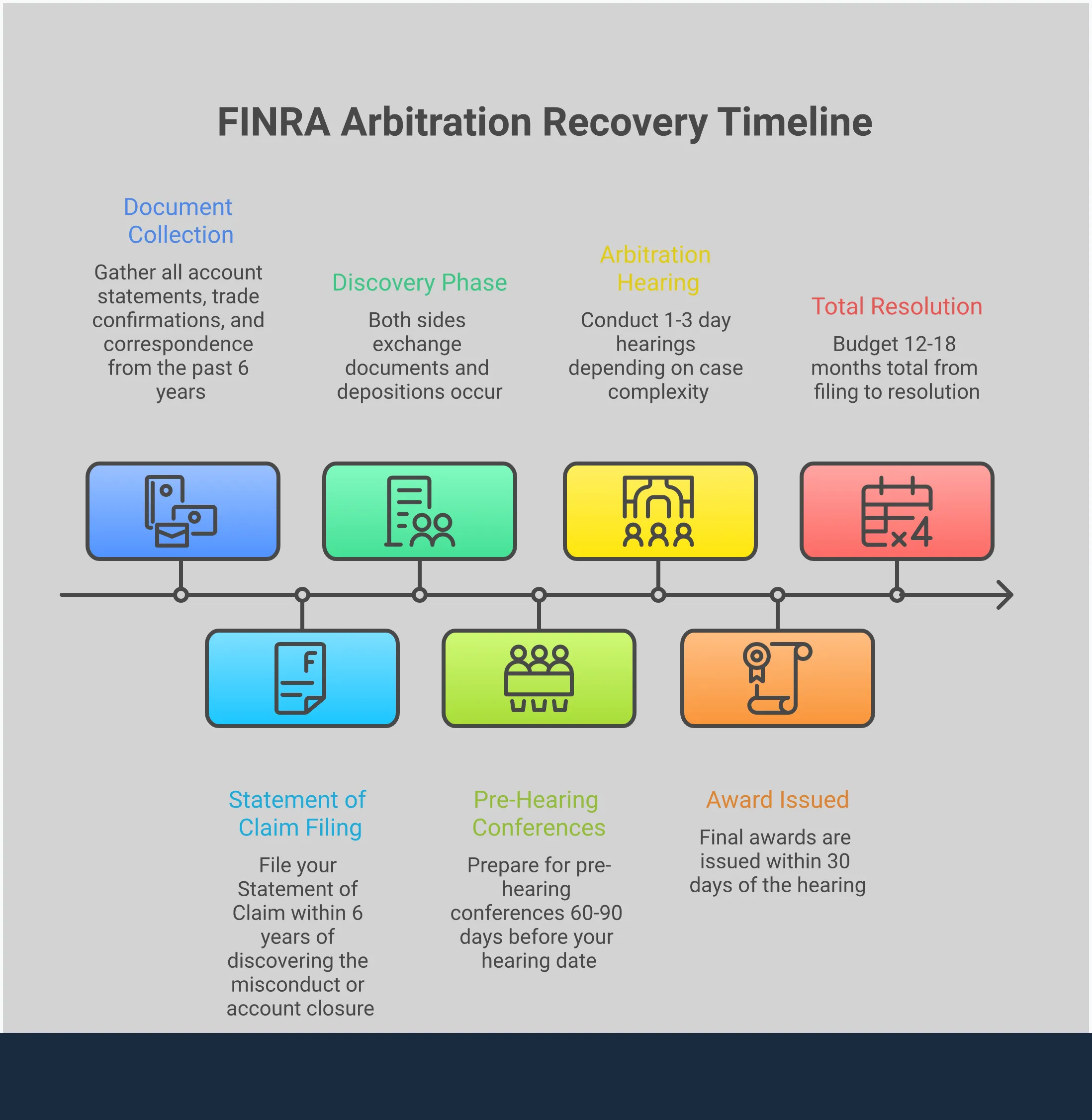
The FINRA arbitration process follows a structured path. It begins when your attorney files a “Statement of Claim,” a document that outlines what happened and why you believe the brokerage firm is responsible for your losses. After that, both sides enter a discovery phase to exchange relevant documents and information. This is where evidence is gathered to build your case.
The core of the process is the hearing, where you and your lawyer present your case to a panel of one or three arbitrators. This involves presenting evidence, making arguments, and providing witness testimony under oath. After the hearing concludes, the arbitrators will deliberate and issue a final, binding decision known as an “award.”
While it serves a similar purpose, FINRA arbitration is very different from a traditional courtroom trial. It is a highly specialized legal forum with its own complex rules, tight deadlines, and industry-specific procedures. For instance, the discovery process is more limited, and the formal rules of evidence you’d see in court don’t always apply.
Instead of a judge and jury, your case is heard by impartial arbitrators who are often knowledgeable about the securities industry. The process is typically faster and less formal than court litigation, but that doesn’t make it simple. These unique characteristics are why working with a lawyer who understands the specific environment of FINRA is so important for investors seeking to resolve investment issues.
FINRA arbitration is the designated forum for a wide range of investor complaints against brokerage firms and their advisors. Many claims arise from a broker recommending investments that were completely wrong for the client’s financial situation or risk tolerance, which is known as making unsuitable recommendations.
Other common disputes involve misrepresentation, where a broker provides false information about an investment, or churning, which is excessive trading to generate commissions. You might also see cases of unauthorized trading, failure to supervise employees, and heartbreaking instances of elder financial exploitation. These are all serious forms of broker fraud and negligence that can be addressed through arbitration.
One of the most critical things to understand about FINRA arbitration is that the outcome is almost always final. Unlike a court verdict, which can often be appealed, a FINRA arbitration award is legally binding and very difficult to challenge. The grounds for appealing an arbitrator’s decision are incredibly narrow, limited to extreme cases like outright fraud or misconduct by the arbitrator.
This finality means you essentially have one shot to present your case effectively. You can’t go back and introduce new evidence or arguments later. Because the stakes are so high and the decision is binding, it’s vital to build the strongest possible case from the very beginning. If you have questions about this process, it’s a good idea to contact a lawyer for guidance.
When you’ve lost money due to investment misconduct, the path to recovery can feel confusing and isolating. You might wonder if you can handle the process on your own. While it’s possible, FINRA arbitration is a specialized field with its own unique set of rules and procedures that are very different from a traditional courtroom. Working with a lawyer who focuses on FINRA cases gives you a dedicated advocate who understands this specific environment.
Think of it this way: you wouldn’t see a general practitioner for heart surgery. The same principle applies here. A FINRA arbitration lawyer brings specific knowledge that can make a significant difference in the outcome of your case. They handle the procedural complexities so you can focus on moving forward. From interpreting industry regulations to building a compelling narrative, their role is to manage your claim effectively and fight for your financial recovery. Having a professional guide you through the process not only strengthens your case but also provides peace of mind during a stressful time.
A FINRA attorney isn’t just familiar with the law; they are intimately acquainted with the rules of the securities industry, the customs that govern interactions between brokers and clients, and the procedures unique to FINRA’s dispute resolution forums. This deep understanding is critical because your case will likely hinge on specific industry standards and regulations that a general practice lawyer may not know.
Your attorney can identify violations that might otherwise go unnoticed, from unsuitable investment recommendations to breaches of fiduciary duty. They know how to analyze trading records, account statements, and correspondence to uncover evidence of wrongdoing. This specialized knowledge allows them to address complex investment issues and build a case grounded in the specific rules that govern the financial industry.
Successfully recovering your losses requires more than just telling your story. It requires building a strong, evidence-based case that clearly demonstrates how you were wronged. A FINRA arbitration lawyer knows exactly what arbitrators are looking for and how to present your claim in the most persuasive way. They handle every aspect of case preparation, from gathering essential documents to identifying key witnesses and drafting the official statement of claim.
An attorney well-versed in these rules can guide you smoothly through each step of the securities arbitration process, from filing the claim to the final hearing, ensuring that no procedural missteps jeopardize your case. They will organize your evidence, frame your arguments, and prepare you for what to expect, making sure your side of the story is told clearly and effectively.
Experience matters in FINRA arbitration. Early mistakes, poorly framed claims, or inadequate damage calculations can significantly reduce your potential recovery. Without a solid understanding of the process, it’s easy to miss a critical deadline or fail to present the right evidence, which can weaken your position or even lead to your claim being dismissed.
A lawyer who regularly handles claims of broker fraud and negligence knows the common pitfalls and how to avoid them. They ensure your claim is filed correctly, your damages are calculated accurately, and your arguments are presented properly. By managing the details, they protect you from making procedural errors that could cost you the compensation you deserve.
FINRA arbitration is a highly specialized legal forum with complex rules, tight deadlines, and industry-specific procedures that differ dramatically from traditional court litigation. There are statutes of limitations and strict timelines for filing claims, responding to motions, and submitting evidence. Missing one of these deadlines can have serious consequences for your case.
When you hire a FINRA arbitration lawyer, they take on the responsibility of managing this calendar. They keep track of every deadline and ensure all documents are filed on time and in the correct format. This frees you from the stress of managing procedural requirements and allows you to focus on your own well-being. If you believe you have a claim, it’s important to contact an attorney promptly to ensure you don’t miss your window to file.
Choosing the right attorney can feel overwhelming, but it’s one of the most important decisions you’ll make. When your financial future is on the line, you need a legal advocate who not only understands your situation but has the specific skills to handle it. Look for a lawyer who checks these four boxes to ensure you have strong representation on your side.
You wouldn’t see a general doctor for a complex heart condition, and the same logic applies here. A FINRA attorney does more than just know the law; they are deeply familiar with the specific rules and procedures of the securities industry. They understand the unique dynamics between brokers and clients and know how to work within FINRA’s dispute resolution system. This specialized knowledge is critical because securities arbitration has its own set of procedural rules that differ greatly from a typical court case. An attorney with a dedicated focus on this area can anticipate challenges and build a case that aligns with FINRA’s requirements.
Experience matters, especially when it comes to recovering your losses. Look for an attorney with a demonstrated history of handling cases similar to yours. A lawyer with a solid track record in investment fraud claims will be able to guide you through the arbitration process and manage your expectations. They can assess the strength of your claim, gather the necessary evidence, and present a compelling argument on your behalf. Ask about their past cases and their experience in recovering damages for investors. This background gives them the insight needed to build a strong strategy for your specific situation.
The arbitration process can be complicated, and the last thing you need is an attorney who leaves you in the dark. The right lawyer will act as your guide, explaining each step clearly and ensuring you understand what’s happening with your case. From the initial filing to the final hearing, they should communicate proactively and be available to answer your questions. You should feel like a partner in the process, not a bystander. A client-first approach means your attorney is committed to making sure you feel heard, respected, and informed every step of the way. If you’re ready to speak with a team that prioritizes clear communication, contact us for a consultation.
While FINRA is a national organization, having a lawyer with a strong reputation in the Mobile legal community can be a significant advantage. Reviewing an attorney’s history in past FINRA arbitrations can give you a clear picture of their experience and commitment to seeing cases through. A lawyer who is respected by their peers and has a history of professional conduct is more likely to be a credible and effective advocate for you. Their reputation is a reflection of their dedication and skill in handling complex cases of broker fraud and negligence. This provides an added layer of confidence as you move forward with your claim.
Going through FINRA arbitration can feel overwhelming, but knowing what to expect can make a significant difference. Understanding the common hurdles investors face allows you to prepare properly and approach your case with more confidence. From the emotional toll to the procedural complexities, being ready for these challenges is the first step toward a better outcome.
A knowledgeable attorney can guide you through each phase, helping you manage the process and focus on what matters most: recovering your losses and moving forward. Let’s look at some of the key challenges you might encounter.
Discovering you’ve been a victim of investment fraud is emotionally and financially devastating. The arbitration process itself can add another layer of stress. You might feel anxious about testifying, frustrated with the timeline, or worried about the outcome. Knowing what to expect from the FINRA arbitration process will help reduce anxiety and increase your confidence as your case progresses. Having a lawyer who handles the legal heavy lifting allows you to focus on your own well-being. They manage the deadlines, communications, and strategic decisions, taking that weight off your shoulders so you don’t have to carry it alone.
FINRA arbitration has its own unique set of rules and procedures that are very different from a typical court case. These aren’t just general laws; they are specific codes of conduct and procedural steps that govern the securities industry. A FINRA attorney is intimately acquainted with these rules, the customs that govern interactions between brokers and clients, and the procedures unique to FINRA’s dispute resolution forums. Trying to handle these complexities on your own can lead to critical errors that could harm your case. An attorney ensures every document is filed correctly and every deadline is met, giving your claim its strongest chance.
Thorough documentation is the backbone of a successful FINRA arbitration case. To prove broker fraud or negligence, you need to present clear and compelling evidence. This includes everything from account statements and trade confirmations to emails, notes from conversations, and any other correspondence you had with your broker or firm. An attorney helps you identify and organize the crucial documents needed to build a powerful narrative. They know what arbitrators look for and can help you gather the evidence that effectively demonstrates the misconduct and the financial harm you suffered.
Many investors enter the arbitration process with misconceptions that can lead to disappointment. One of the most common is believing that if there was clear misconduct, they are guaranteed to get a hundred percent of their money back. While recovering your losses is the goal, the amount awarded can vary based on many factors. A seasoned attorney will give you a realistic assessment of your potential outcome. They can also help you sidestep other pitfalls, like underestimating the opposition’s arguments or thinking the process will be quick. Understanding the realities of your case from the start is key to making informed decisions.
When you’re facing investment losses, thinking about legal fees can feel overwhelming. But understanding the financial side of a FINRA arbitration claim is a key step in deciding how to move forward. It’s about weighing the potential costs against the possibility of recovering your hard-earned money. Let’s walk through what you can generally expect when it comes to attorney fees, recovery amounts, and the timeline for your case. This will give you a clearer picture of the process and help you make an informed decision.
Most FINRA arbitration lawyers work on a contingency fee basis. This means you don’t pay any attorney fees unless they win your case and recover money for you. The lawyer’s fee is a percentage of the final settlement or award. This approach makes legal representation accessible, as you won’t have to pay out-of-pocket to get your case started. An attorney provides the experience and direction needed to handle the proceedings, and the contingency model ensures their goals are aligned with yours: securing a favorable outcome. You can discuss the specific fee structure during an initial, often free, consultation.
It’s natural to hope you’ll get all of your lost money back, but it’s important to have realistic expectations. A common misconception is that if misconduct occurred, you are guaranteed to recover 100% of your losses. The reality is that the amount you can recover depends on many factors, including the strength of your evidence, the type of investment issues involved, and the specifics of your case. An attorney can evaluate your situation and give you a more grounded assessment of what a potential recovery might look like, whether through a settlement or an arbitration award.
FINRA arbitration is a highly specialized legal process with its own set of complex rules and tight deadlines, which makes its timeline different from a traditional court case. On average, a case can take about 12 to 18 months from filing to a final decision. However, this can vary. Simpler cases might resolve more quickly, especially if a settlement is reached, while more complex disputes could take longer. A lawyer familiar with the securities arbitration process helps keep your case on track and ensures all deadlines are met, which is critical in this structured environment.
Having a lawyer who understands the unique rules and procedures of FINRA can significantly influence the result of your case. An attorney well-versed in these rules can guide you through each step, from filing the claim to the final hearing. This guidance helps ensure that no procedural missteps jeopardize your case. When dealing with claims of broker fraud and negligence, a lawyer’s ability to build a strong argument, present evidence effectively, and counter the opposition’s claims is invaluable. Their involvement is often the key to putting you in the best possible position to recover your losses.
Your initial consultation is your opportunity to interview a potential lawyer and see if they are the right fit for your case. Come prepared with a list of questions to help you understand their experience and approach. Ask them how many FINRA cases they have handled and what the outcomes were for claims similar to yours. It’s also wise to ask who will be your primary point of contact and how the firm communicates updates. A clear and direct answer to these questions can give you confidence in their ability to handle your case. Understanding the securities arbitration process is complex, and you want a legal team that can explain it to you every step of the way.
Before making a final decision, take some time to research the attorney’s background. You can check with the Alabama State Bar to confirm they are in good standing and see if they have any disciplinary history. Review their law firm’s website for attorney biographies, case results, and articles they may have written. Look for a lawyer whose practice is dedicated to securities law and representing investors. A general practice attorney may not have the specific knowledge needed for these types of claims. You need someone who regularly deals with complex investment issues and understands the tactics used by brokerage firms.
As you search for representation, be aware of certain warning signs. A major red flag is any lawyer who guarantees a specific outcome or promises you a certain amount of money. The arbitration process is unpredictable, and such promises are unethical. Be cautious of attorneys who lack a clear focus on securities law or seem unfamiliar with the FINRA process. Poor communication is another warning sign; if they are difficult to reach or unclear about their fee structure from the start, it may not improve. You deserve a lawyer who is transparent and responsive. If you have questions, a straightforward firm will be ready to provide answers when you contact them.
Is FINRA arbitration my only option, or can I sue my broker in court? When you open a brokerage account, the agreement you sign almost always includes a clause that requires you to resolve disputes through arbitration. This means that for the vast majority of investor claims against their brokers, FINRA arbitration isn’t just an option; it’s the required venue. While there are rare exceptions, you should assume your case will be handled through this specialized process instead of a traditional court.
How do I know if my losses are from normal market risk or actual misconduct? This is a tough question, and it’s not always easy to tell the difference on your own. Market fluctuations are normal, but certain red flags might point to something more serious. These can include investments that were far riskier than you were led to believe, frequent trading that doesn’t seem to have a clear purpose, or recommendations that didn’t align with your stated financial goals. A securities lawyer can review your account activity to help determine if your losses were the result of misconduct.
What does it cost to hire a lawyer for a FINRA claim? Most securities arbitration attorneys work on a contingency fee basis. This means you don’t pay any legal fees upfront. Instead, the attorney’s payment is a percentage of the money they recover for you, either through a settlement or an arbitration award. If you don’t recover any of your losses, you typically owe no attorney fees. This arrangement allows you to pursue a claim without worrying about out-of-pocket legal costs.
How long do I have to file a FINRA claim? There are strict time limits for filing a FINRA arbitration claim. These deadlines, known as statutes of limitations, can be complex and vary depending on the specifics of your case. If you wait too long, you could lose your right to pursue a claim forever. Because of these tight timelines, it is very important to speak with an attorney as soon as you suspect you may have been a victim of investment fraud or negligence.
What is my role in the process once I hire an attorney? Once you hire a lawyer, your primary role is to provide them with all the relevant information and documents you have, such as account statements and communications with your broker. You will also need to be available to discuss the case and prepare for the final hearing. Your attorney handles the heavy lifting: they will draft the legal filings, manage the discovery process, communicate with the opposing side, and present your case to the arbitrators. Their job is to manage the legal strategy so you can focus on other things.